By India Lopez
Editorial & Production Manager | Pou Whakahaere Pānui Ētita, Whakaputa Hautaonga
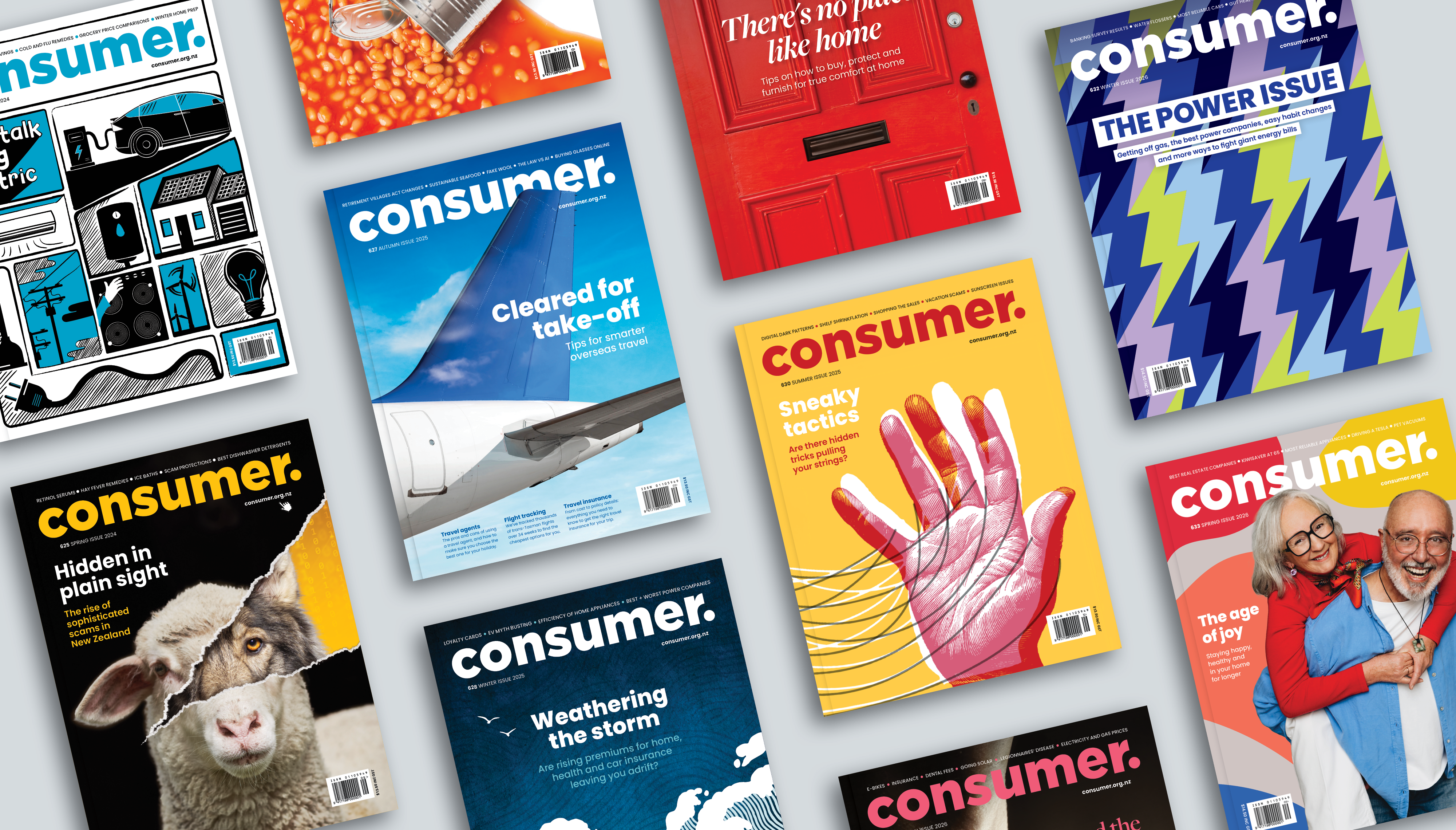
It’s been a long year, right? Everyone is busy, everyone is tired, and the cost of living continues to bite. So when we started planning this issue of Consumer, our goal was to make life a little easier for our readers.

The result is a magazine that’s both fun to read – ideally on a beach towel or in a hammock – and packed with practical advice to help you tackle the tricky parts of life in 2027. Here are five things we learnt along the way.
1. Budgeting isn’t boring (anymore)
Saving your receipts, carrying around a notebook to track your spending, splitting cash into dedicated envelopes … huge respect to people who can stick to systems like that, but it’s never going to be me.
For our cover story, Claire Peacock spoke to a panel of financial experts, who brought glad tidings: thanks to the advent of “open banking”, New Zealanders now have access to set-and-forget tools that mean we can budget, save and invest effectively with almost zero effort.
2. EV charging has an unwritten code of conduct
We know loads of our readers invested in their first electric car this year … and many are nervous about taking those cars on their first proper road trip over summer.
Enter Paul Fuge, who manages our Powerswitch website and also happens to be an EV evangelist. He’s written a complete guide to taking your EV out on the open road, including the many dos and don’ts of using a public charger.
3. There’s a middle ground between ‘proper’ cooking and takeaways
As a solo mum with a hectic full-time job – and someone who doesn’t enjoy cooking at the best of times – I find the endless dinner grind to be soul-destroying. As a result, my Uber Eats spend is through the roof.
That’s all about to change, though, thanks to Kate Harvey’s latest invention: the Trolley of Convenience (patent pending). Ten ingredients, totalling $95, that you can use to make five dinners for two, each taking five minutes or less to assemble. Hallelujah.

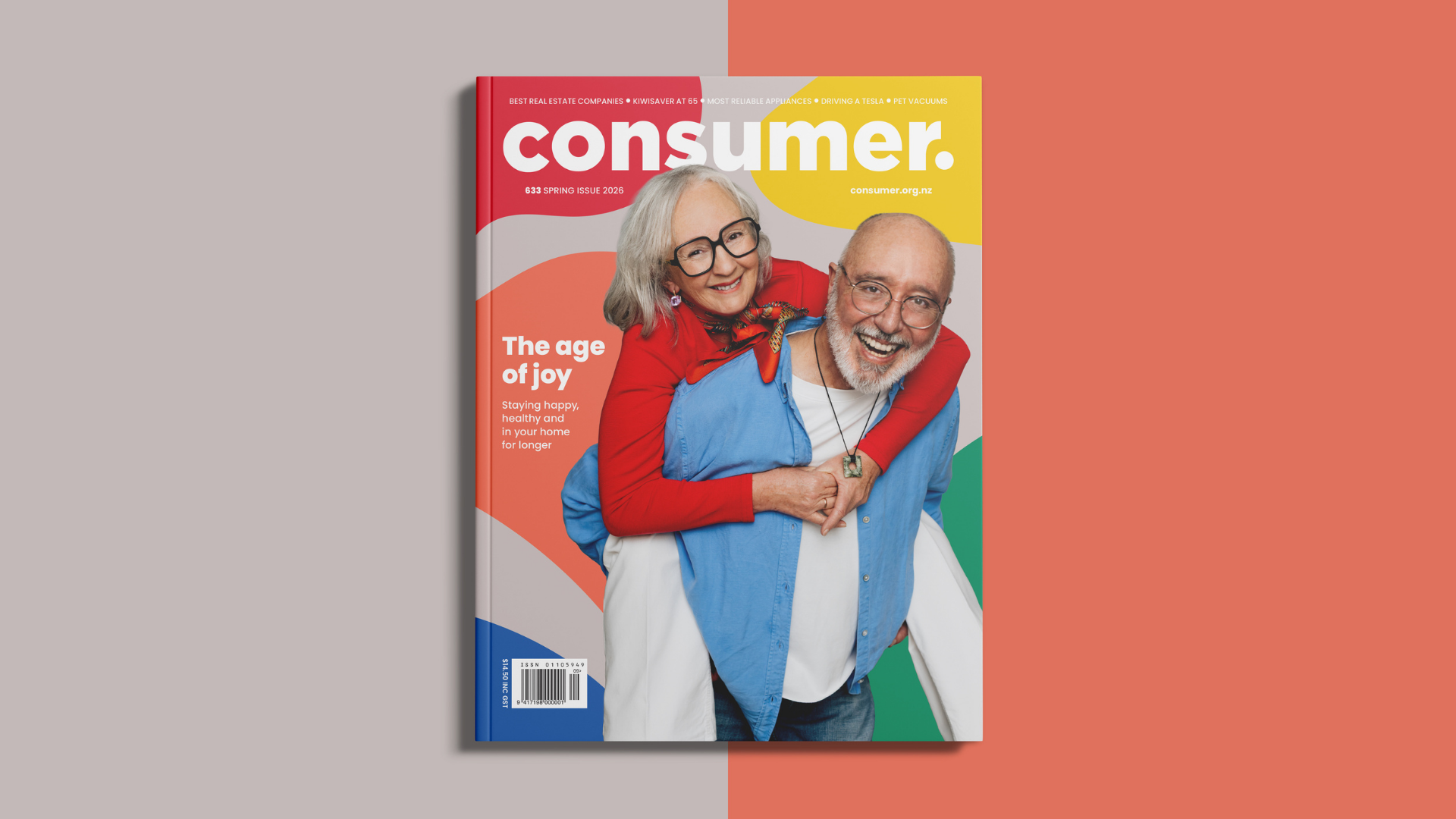
Our summer issue is out soon!
Become an Online + Magazine member now to get access to exclusive articles, test results and more in our latest issue of Consumer – delivered for 20% off the cover price!
4. Oura’s got competition
When we saw Kmart was selling a smart ring for $39, we knew we had to trial it. Nick Gelling, our resident tech expert, amused us all by donning three smart rings at once – the Kmart cheapie plus a Kogan ($120) and Oura ($398) – for a full 10 days, so he could compare their accuracy.
Whether or not you’re in the market for jewellery that measures your heart rate and calorie burn, I can promise Nick’s article scores high for entertainment value.
5. You can’t trust AI’s product advice
Nick also teamed up with Maisie Arnold-Barron to weigh the pros and cons of using AI to shop – something 40% of Kiwi shoppers say they’ve done.
While they found plenty of positives, I was struck by the snake-eating-its-own-tail nature of AI’s advice. Brands and retailers use bots to generate convincing “user reviews”, then other bots use those same reviews, alongside the brand’s or retailer’s own marketing material, to recommend products.
Meanwhile, AI can’t scrape anything that requires a login or sits behind a paywall. That means unbiased information – like Consumer’s test results – doesn’t factor into its “opinions”.