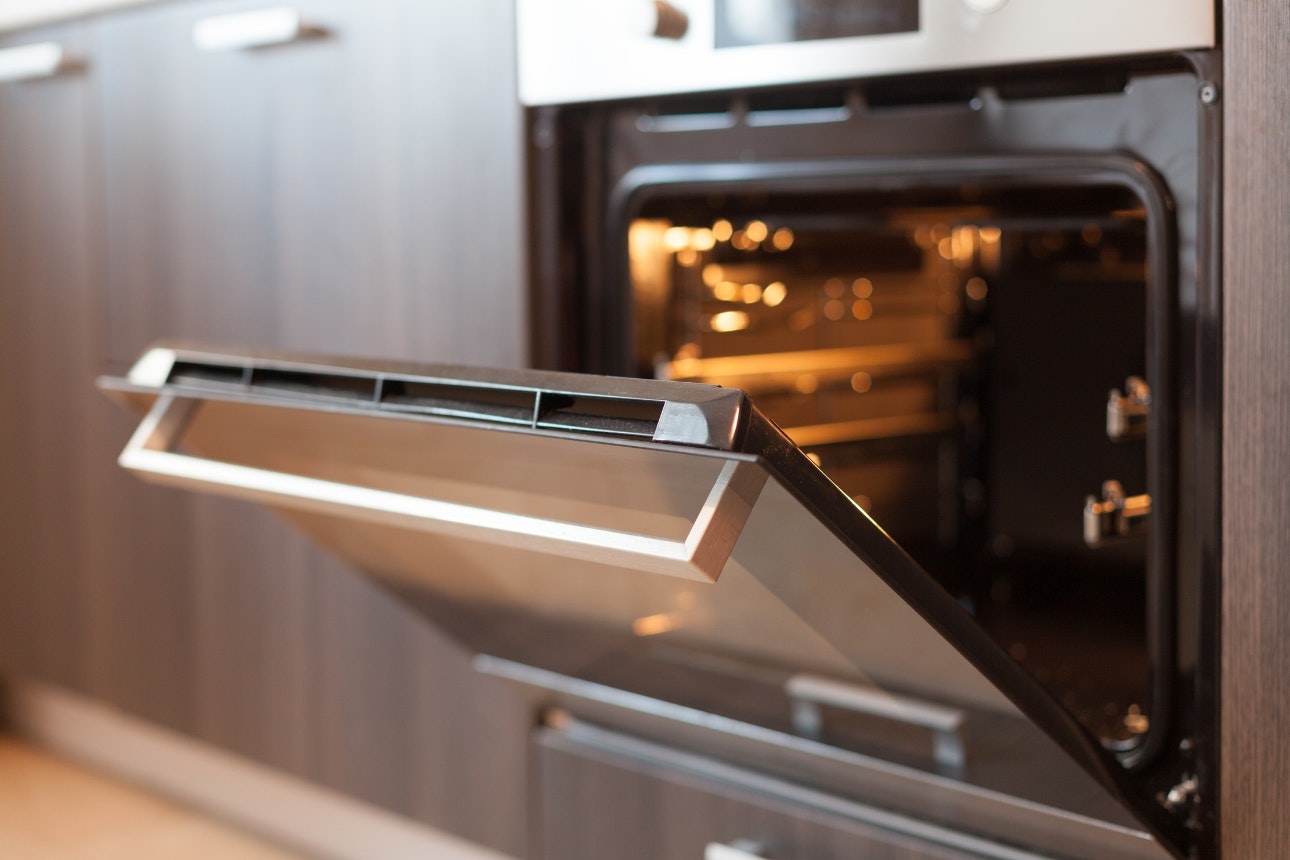
We put cooktops through a range of everyday cooking tests to assess how easy they are to use and clean.
On this page
Lifetime score
Our overall score combines test performance (how well the appliance works and how easy it is to use) with predicted reliability (how likely models from the brand are to remain free of faults) and brand satisfaction (how satisfied owners of the brand’s appliances are likely to be).
Test performance
It’s no good if a product lasts for several decades if it doesn’t work well in the first place. A disappointing product will soon become unloved and unwanted. For this reason, our independent lab testing forms an important part of our overall lifetime score.
The same test method is used for all three types of cooktop: induction, radiant ceramic and gas. Ceramic cooktops have an additional test to see how easy it is to melt chocolate with them.
Our cooktops test includes:
Cooking performance
We conduct three tests to assess the performance of the cooktops. Each test is performed with exactly the same ingredients and method.

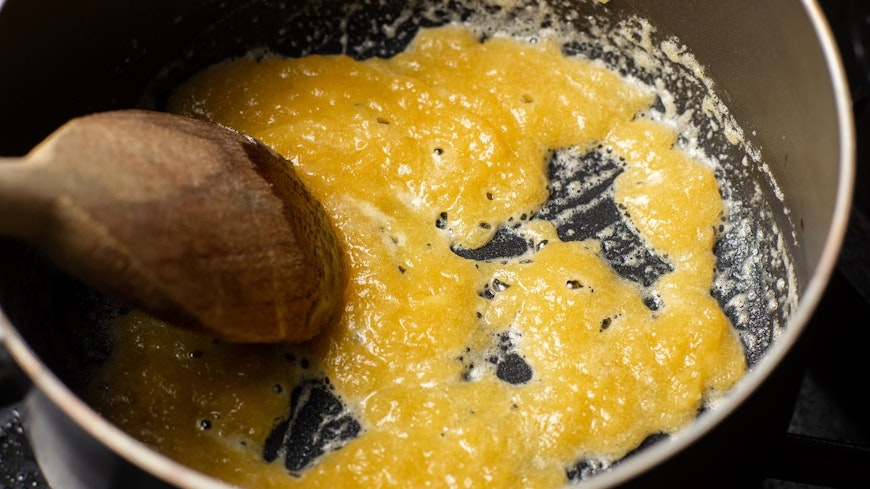
We make white sauce on the simmer burner or element with the lowest setting. We test its ability to perform at a low temperature for a long time. We score the final cooked sauce on:
colour – ideally pale with no brown spots
taste – no raw milk or flour taste
sticking – what is left in the pan once the sauce has been removed.
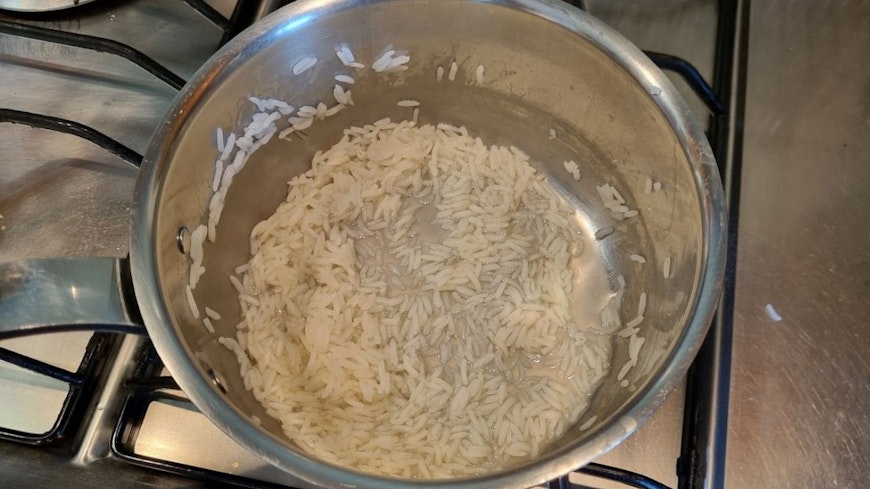
We cook rice on the medium-sized burner or element. We test the ability to turn down the temperature and whether the cooktop can maintain consistent heat at the lowest temperature setting. We score the final cooked rice on:
cooking – whether the grains are firm, cooked properly and not mushy or sticking together
sticking – whether any grains stuck to the bottom of the pan and, if so, how difficult are they to remove.
We make a beef and vegetable stir fry to see whether the cooktop can deliver continuous high heat. If a consistent heat isn’t maintained, you can boil your meat and vegies instead of frying them. We score the final cooked stir fry on:
texture – whether the meat is tender or tough; the vegetables crisp or soggy; the sauce smooth or watery
colour – whether the meat is dark brown or grey and the vegetables bright or pale.

Ease of use
We test how easy and safe each cooktop is to use, evaluating controls, labelling and displays, and the size, layout and functionality of cooking zones. We make a note of all functions and features, including anything typical that's missing or extra cooktop features included.
In addition, we assess how easy each cooktop is to clean.
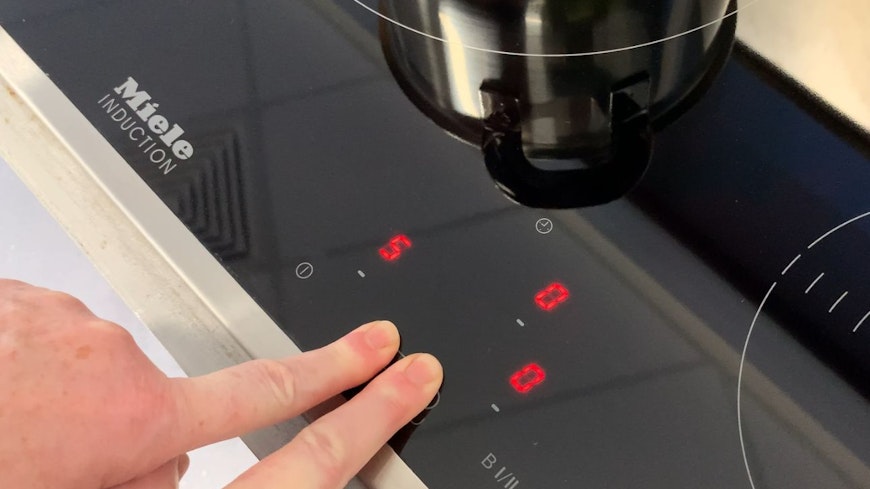
Assessing controls - in this case, the child lock
Predicted reliability
It’s reasonable to expect a new appliance to remain fault-free for at least the first five years. Our predicted reliability won’t tell you whether your cooktop will stop working tomorrow, but it does show which brands make cooktops that are less likely to fail.
Brand satisfaction
Satisfaction is important – no appliance should be a source of buyer regret. Appliances with very satisfied owners are more likely to be well maintained. Their owners are more inclined to seek repair for faults than look for a quick replacement.
Survey data
In our reliability and satisfaction surveys, consumers tell us about faults that have made an appliance they own unusable or mean they’ve had to change how they use it. We also ask them how satisfied they are with the appliance. We use this data to produce our predicted reliability and satisfaction scores.
We use a statistical test to rate the relative performance of each brand. Compared to data we have for all products (of the same type) in the survey, we rate each brand with highest, high, average, low or lowest for predicted reliability and satisfaction respectively.
You can compare the rating of different brands for the same product type (for example, the reliability rating for Bosch and Samsung cooktops), but you can’t compare the results for different product types (for example, satisfaction of Fisher & Paykel cooktops and Electrolux ovens).
We analyse brands that get at least 30 responses in our survey. That means there are some brands we can’t analyse because we don’t have enough data. For those brands, we assume they have average predicted reliability and satisfaction.
Our data is based on 1,584 responses from owners of cooktops in our 2026 survey. Our next survey is in 2028.