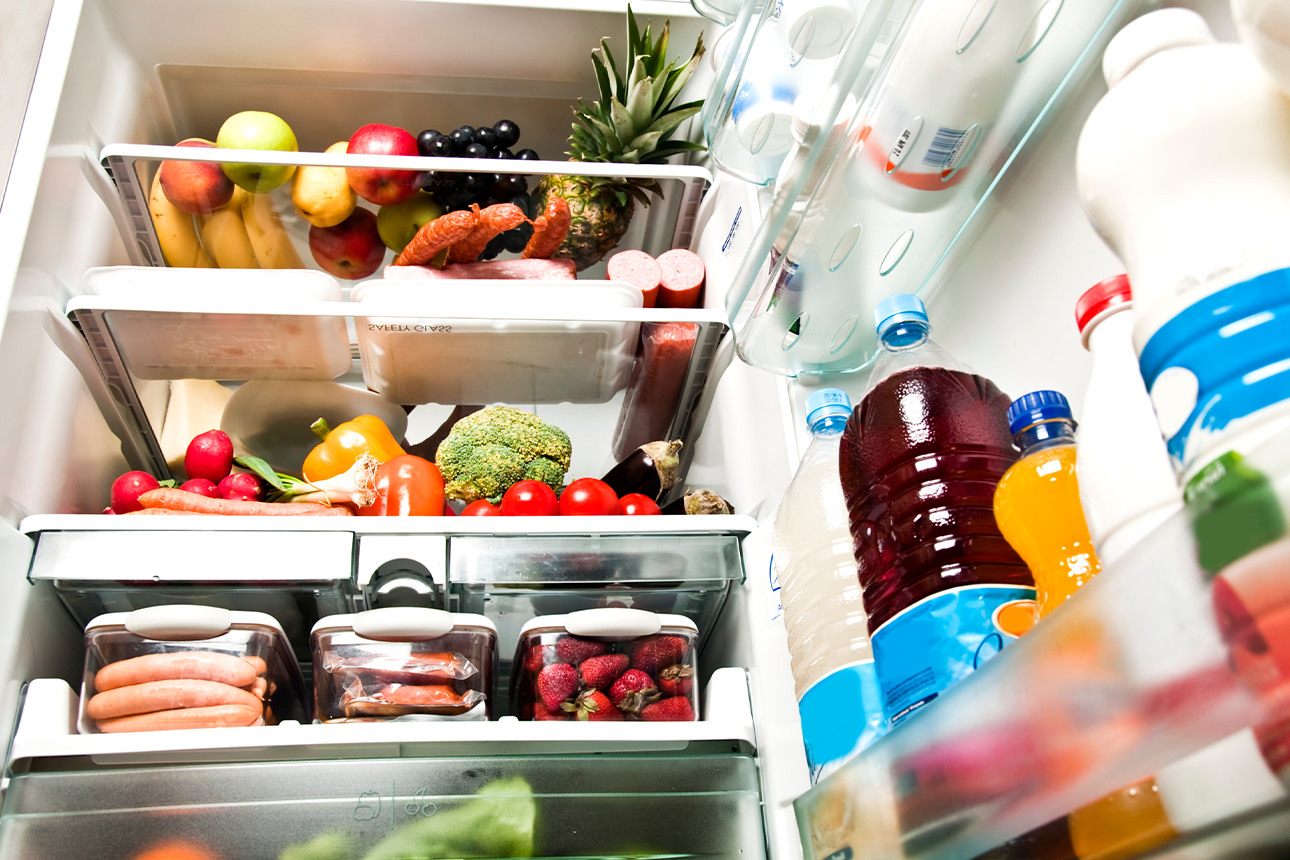
We test how well freezers manage temperature on a daily basis as well as how well their insulation prevents them warming up too quickly when the power is cut and how quickly they cool back down when the power's back on.
Choosing which models to test
As much as we’d love to, we can’t test every freezer on the market. Testing is expensive and time consuming, and we have a limited budget.
Instead, we regularly survey the market and discuss with manufacturers which models will soon be discontinued, which are staying current and what new models will be released in the near future. We then choose a representative selection of freezers for testing, including both cheaper and more expensive ones, chest and upright models, as well as any models with new or interesting features.
If you don’t see the model you’re considering purchasing in our freezer reviews, then try to identify a similar model from the same manufacturer and check our predicted reliability and brand satisfaction results. If you choose a model from a brand that rates highly, you’ll likely end up with a good model that will last.
Lifetime score
Our overall score combines test performance (how well the appliance works) with predicted reliability (how likely models from the brand are to remain free of faults) and brand satisfaction (how likely owners of the brand are to be very satisfied).
Test performance
It’s no good if a product lasts for several decades if it doesn’t work well in the first place. A disappointing product will soon become unloved and unwanted. For this reason, our independent lab testing forms an important part of our overall lifetime score.
Our freezers test includes:
Temperature stability
We measure how much the temperature inside the freezer fluctuates as the compressor starts and stops. The higher the score, the more stable the temperature.
Temperature evenness
We measure how even the temperature is throughout the freezer. The higher the score, the more even the temperature is.
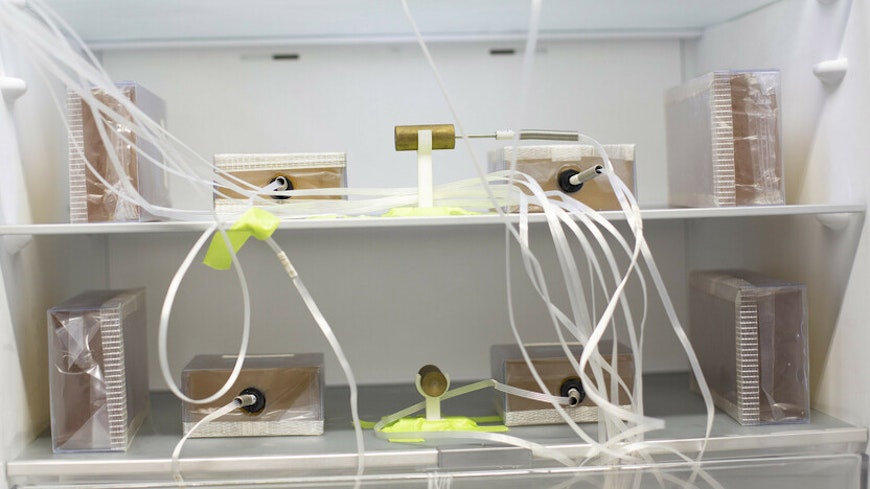
Measuring temperature evenness in a freezer using multiple sensors.
Room temperature change response
We test how well the freezer deals with changing room temperatures in a temperature-controlled room. We adjust the temperature to simulate winter and summer conditions, or having an oven or heat pump on in the same room, while monitoring the temperature inside the freezer. The higher the score, the better the freezer is at maintaining a stable temperature when the room temperature changes.

Freezer cooling efficiency
In a temperature-controlled room, we measure how long the empty freezer takes to get down to -13°C from when it's first switched on. The allocated score also indicates how quickly the freezer will return to an optimal temperature when the power's reconnected after a power cut. The quicker, the better, so the higher the score.
Food cooling efficiency
From 2022, all models reviewed undergo a heat load test. We measure the time it takes for the freezer to cool a warm load (representative of a warm plate of food) and for the freezer to return to an even state (even temperatures). We also measure how much energy the freezer uses during the test to get an indication of how efficient it is.
Insulation effectiveness
We measure how long it takes the freezer to warm from -15°C to -5°C when the power is cut in a room at 32°C. The longer it takes, the better, so the higher the score.
Climate suitability (default settings)
Many people either won't change the freezer's default settings or will only change it when they first get the appliance. So we test how well the freezer performs for the New Zealand climate on the manufacturer's recommended settings. If there isn’t a recommended setting, we test using the factory settings or a middle setting.
Predicted reliability
It’s reasonable to expect a new appliance to remain fault-free for at least the first 5 years. Our predicted reliability won’t tell you whether the freezer in your garage will start to leak tomorrow, but it does show which brands make models that are less likely to fail.
Brand satisfaction
Satisfaction is important – no appliance should be a source of buyer regret. Appliances with very satisfied owners are more likely to get cleaned regularly and be maintained well. Their owners are also more likely to get any faults repaired, rather than looking for a quick replacement.
Survey data
In our reliability and satisfaction surveys, consumers tell us about faults that have left an appliance they own unusable or mean they’ve had to change how they use it. We also ask them how satisfied they are with the appliance. We use this data to produce our predicted reliability and brand satisfaction scores.
We use a statistical test to rate the relative performance of each brand. Compared to data we have for all products (of the same type) in the survey, we rate each brand with highest, high, average, low or lowest predicted reliability and satisfaction. You can compare the rating of different brands for the same product type (for example, the reliability rating for Westinghouse and Haier freezers), but you can’t compare the results for different product types (for example, satisfaction of a Fisher & Paykel freezer and a Miele dishwasher).
We analyse brands that get at least 30 responses in our survey. That means there are some brands we can’t appropriately assign ratings because we don’t have enough data. For those brands, we assume they have average predicted reliability and satisfaction.
Our data is based on responses for 2,709 freezers, fridge-freezers and fridges in our 2025 survey. Our next refrigeration survey is in 2027.