By Bryan Wall
Product Test Journalist | Kaipūrongo Whakamātautau Hautaonga
Trying to choose between a front loader and a top loader washing machine? Our tests show that front loader washing machines clean more effectively, use less water and are gentler on clothes than top loaders.
But many households still prefer top loaders and base their reasoning on a number of outdated myths.
On this page
- Which type of washing machine cleans clothes better?
- Which type of washing machine is more reliable?
- Can you fit more clothes in a top loader washing machine?
- Do front loader washing machines take longer?
- Do front loader washing machines cost more to buy?
- Do front loader washing machines get dirtier?
- Are top loader washing machines more convenient?
- Are front loader washing machines more expensive to run?
Looking for a new washing machine?
Find the best washing machines in New Zealand with our test reviews for front- and top-loading washing machines from Samsung, Haier and more.
Which type of washing machine cleans clothes better?
Front and top loader washing machines average test scores
On average, front loader washing machines are ahead in all our tests, apart from rinsing, where top loaders narrowly beat them – unsurprising, given that top loaders use such stupendous amounts of water.
Which type of washing machine is more reliable?
Of course, clean laundry isn’t the only key to long-term happiness with your washing machine. You’ll also be hoping for years of hassle-free operation.
Our most recent reliability and owner satisfaction survey, which included 1,292 top loaders and 2,068 front loaders, showed similar reliability for both types, with 86% of top loader washing machines and 88% of front loaders remaining fault-free in the first 5 years of ownership.
However, there was a marked difference in satisfaction, with front loader owners significantly happier with their purchase – 76% reported being very satisfied, compared with 66% of top loader owners.
Can you fit more clothes in a top loader washing machine?
If you have jumbo-sized piles of laundry, don’t assume your only option is a top loader washing machine.
The largest domestic washing machine available in New Zealand is a 19.5kg front loader. The biggest top loader is 15kg.
Do front loader washing machines take longer?
Front loader washing machines generally take longer to wash, but their cycles are often not as long as stated in the manual (when the load’s small, the programme usually gets shorter automatically).
Most synthetic fabrics are more robust than cotton, so using a typical “mixed” cycle will be faster. But if you’re in a hurry, use the “quick” setting. Or you could delay the start and let the machine do its thing while you’re out, then hang your laundry out later.
Do front loader washing machines cost more to buy?
The average price of front loader washing machines in our tests is higher than top loaders, but only by a few hundred dollars ($1,371 vs $1,090). And you don’t have to spend megabucks to get a good front loader – there are plenty of front loaders priced between $850 and $2,000 that have excellent washing performance scores.
Meanwhile, similarly priced top loaders are way down on performance.
Performance does not always increase with price for our tested front loader models (although you’re likely to get larger capacity or additional features, such as auto-dosing and WiFi connectivity, for your extra investment).
Do front loader washing machines get dirtier?
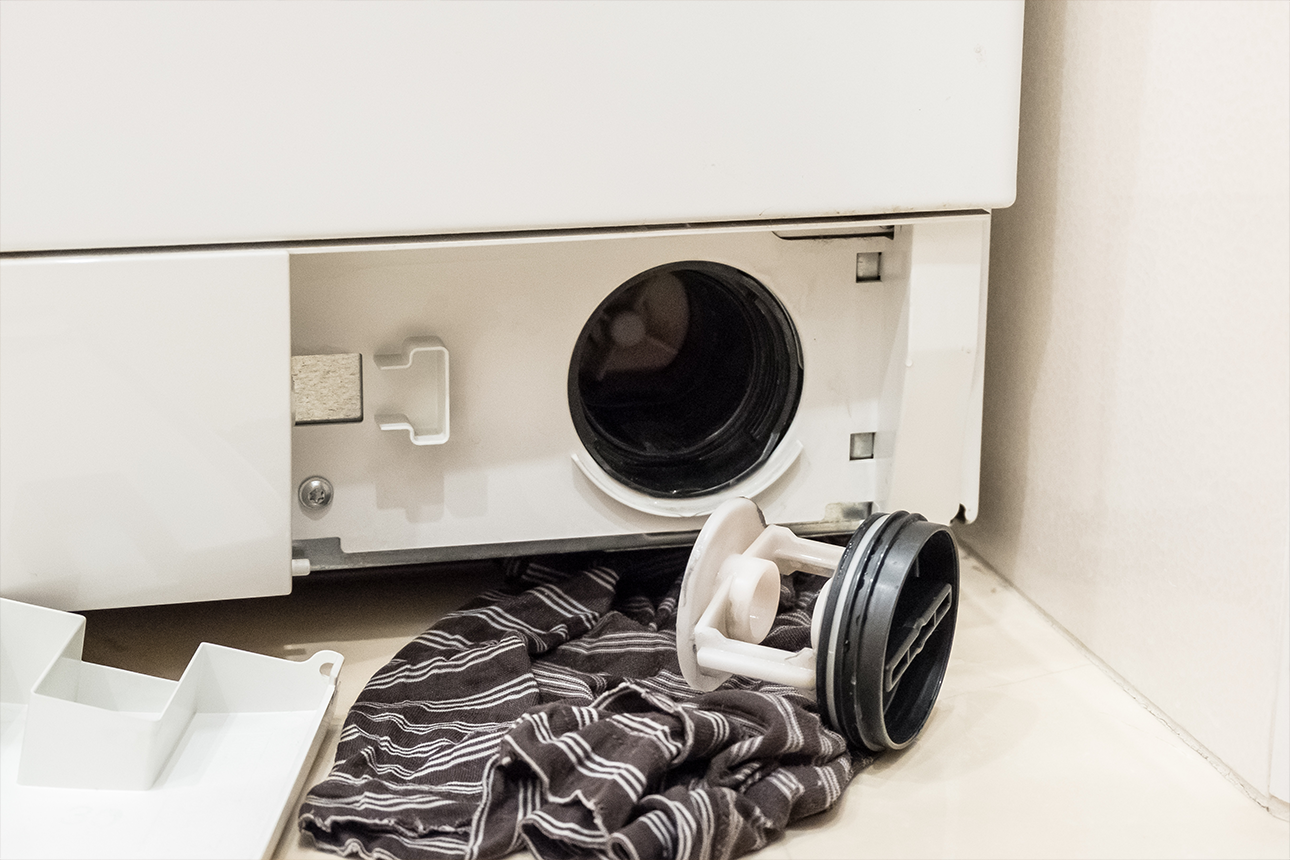
The rubber seal of a front loader’s door can get mouldy. But you change the oil in your car and remove the lint from your tumble dryer, so it shouldn’t be a hassle to run a maintenance cycle and wipe down the rubber door seal.
It’s not just front loader washing machines that require maintenance washes. Scrud (the waxy build-up that occurs when fabric softener meets detergent) can affect both front and top loaders. Some machines have cleaning cycles, or else you can run a long, high-temperature cycle without detergent and clothes to get rid of it.
Are top loader washing machines more convenient?
“You can’t add anything to a front loader” is a common complaint – but that was then.
These days, most front loader washing machines can be paused to add items after a wash has started.
As for people with mobility issues, it’s true they may find a top loader washing machine easier to access, but a pedestal can raise a front loader up making the drum more accessible. Also, pedestals usually include a drawer, which is handy when you can no longer use the top of the machine as a work or storage surface.
Are front loader washing machines more expensive to run?
Our annual running cost figures assume you do one “normal” wash cycle a day, at 32 cents per kilowatt hour. This makes front loader washing machines seem power-hungry, but, actually, the difference between top- and front-loader running costs for a “normal” cycle isn’t that big.
On average, front loaders cost $29 per year to run. That’s compared to $12 per year for top loader washing machines. So, you’re looking at an extra $17 a year for a front loader. Not that much extra, really. If you save up your washing for a few days and do larger loads less often, then it’ll cost even less.
And power use is only part of the equation. When it comes to being water-wise, front loaders can’t be beat. At the time of writing, the average water used per wash by our front loaders is 59L. For top loaders it’s nearly twice that amount, at a whopping 117L. That’s an extra 21,170L per year to use a top loader! For those of you on metered water, this could be a significant extra cost.