By Ruairi O'Shea
Former Investigative Writer | Kaituhi Mātoro
Do you want to go away on holiday but can’t afford the cost of accommodation? Are you looking for the comfort of a real home rather than an impersonal hotel for your trip away?
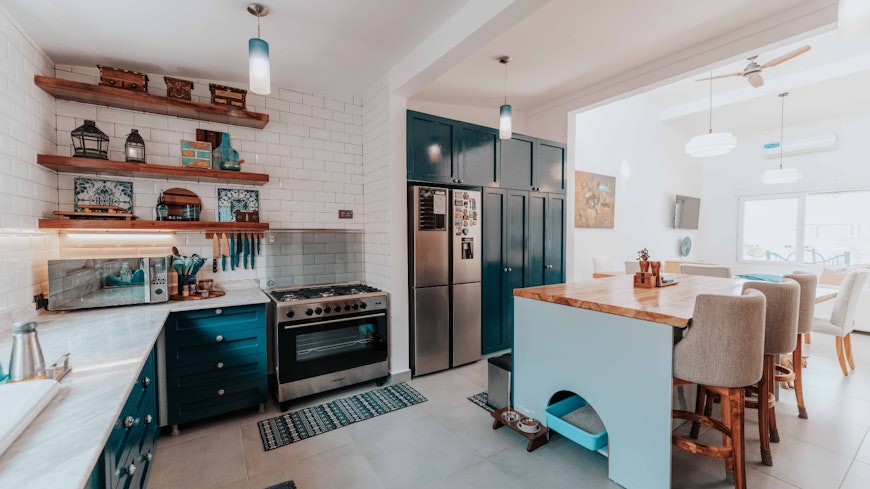
A house swap can be a savvy way to travel on a budget. But while there are clear upsides, here are 4 things to think about before you swap homes with a stranger.
1. Make sure your home insurance covers house swaps
Speak to your home insurance provider before confirming a house swap to understand the limits of your house cover.
Because no money is changing hands, the people you invite into your home in a house swap are generally considered guests.
This means your house and contents insurance will probably cover you for any accidental damage that happens while the swapper is living in your home. However, it won’t cover you for malicious damage or theft of your belongings.
For more information on house and contents insurance, check out our house and contents insurance buying guide.
2. Pick the platform that works best for you
There are two main house-swap platforms.
HomeExchange is the big international player. It costs US$235 (NZ$415) a year to be a HomeExchange member. In exchange, you get access to house swaps with over 360,000 homes in 155 countries.
HomeExchange allows you to accrue credits by hosting guests. If you have a bach, or you’re happy to vacate your home for a few days, you can build up credit, which you can use on a holiday that suits your schedule.
The HomeExchange Guarantees provides hosts with cover for damage and theft and travellers with cancellation protection.
Kiwi House Swap is New Zealand owned. It costs members just NZ$99 per year. Unlike HomeExchange, Kiwi House Swap is an introductory service only. It matches you with another household but offers no guarantees or protections and no way to accrue credit.
3. Protect your valuables
If you have items that are extremely valuable or irreplaceable, lock them away before you swap homes.
Your home and contents insurance might cover accidental damage, and the HomeExchange Guarantees offer some backup if items are damaged or stolen. However, it will probably be less distressing to not lose your valuables in the first place.
You could store valuables in a locked room or garage that is not included as part of the swap or leave them with a trusted neighbour until you get home.
4. Get to know the person you swap with
Check the planned house-swap family’s profile and try to build a relationship with them once you’ve agreed to the swap.
Developing a set of shared expectations before the swap can ensure a smoother handover and reduce the risk of issues while you’re away.
And you might find you can swap more than just your homes. A conversation might reveal that you could swap cars or give each other access to sporting equipment, like bikes or paddleboards. You might also get good local recommendations, such as places to eat out with kids or fun activities tourists usually don’t know about.

House and contents insurance
Find out more about house and contents insurance with our buying guide.