By Rebecca Styles
Research Lead | Hautū Rangahau
An antique firearm from the Mau Mau rebellion, a laser-cut fibreglass knuckle duster and a metre-long bone-blade sword are some of the strangest items the Aviation Security Service has confiscated at Aotearoa airports.
On this page
- Toiletries and medicines you can take in carry-on luggage
- What can only go in checked-in bags
- What cannot go in checked-in bags
- What if I’m travelling with culturally significant items?
- What to do with your mobile phone and laptop
- What food can I take onboard?
- What about the liquids I’ve bought at duty-free?
- What happens to confiscated items?
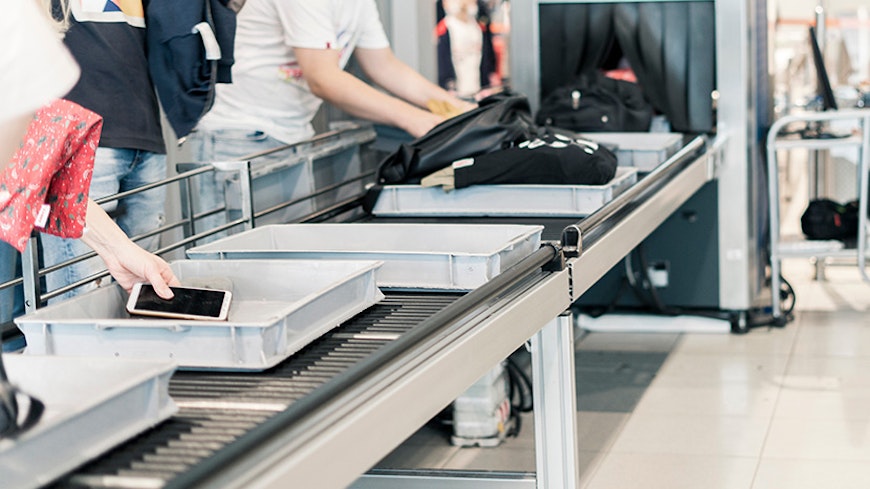
If you have something confiscated as you head for the departure gates, you’ll only be able to collect it when you return in exceptional circumstances (generally, if it’s expensive or of high cultural or personal significance).
Here’s a reminder of what you can carry and what happens to confiscated items.
Toiletries and medicines you can take in carry-on luggage
If you’re flying long haul, you’ll probably want some toiletries to freshen up. Generally, the airline will provide a free toothbrush and a small container of paste. There are limits on the quantities of different substances you can carry.
Liquids up to 100mL
Gels up to 100mL
Aerosols up to 100mL
No more than 350mL of inorganic powders or granular materials, like salt scrubs and loose-powdered cosmetics.
There are exceptions to these limits if you have a medical condition or are travelling with a baby or young child (see: Powders, liquids, aerosols, and gels (PLAGs) | aviation.govt.nz).
You can carry prescribed medicines. The prescription must be in its original packaging, and the name on your travel documents must match the name on the prescription.
Carrying a note from your doctor explaining why you need a particular medication could make it easier to get through the security check.
What can only go in checked-in bags
Sports gear and hand tools, including knives, scissors or other sharp objects, must go in checked-in bags. If you want to take your knitting or crochet to pass the time on the journey, check with the airline to see whether they’ll allow it as carry on.
What cannot go in checked-in bags
You can’t put loose batteries, power banks, vapes, earbuds or hearing aid chargers in checked-in bags.
However, you can carry these items in your carry-on luggage if they’re protected by packaging or have their terminals covered.
What if I’m travelling with culturally significant items?
If you’re travelling with a culturally significant item, check it will clear security by emailing the Aviation Security Service at: [email protected].
What to do with your mobile phone and laptop
You can pack your laptop or mobile phone in either your carry-on or checked-in luggage – they must be powered off completely to go in your checked-in luggage.
What food can I take onboard?
Empty any refillable bottles before you reach the security check.
Frozen food won’t get through if it’s liquid or a spreadable consistency when unfrozen.
Feel free to bring your own snacks for the trip, but don’t bring food with a high water content or that’s spreadable, like soft cheeses or yoghurt. Also, you may need to leave uneaten food on the plane if you don’t want to have to declare it at customs.
What about the liquids I’ve bought at duty-free?
Duty-free goods bought after security screening aren’t subject to the liquid restrictions, but if you’re transiting through other countries, those countries may have different rules.
What happens to confiscated items?
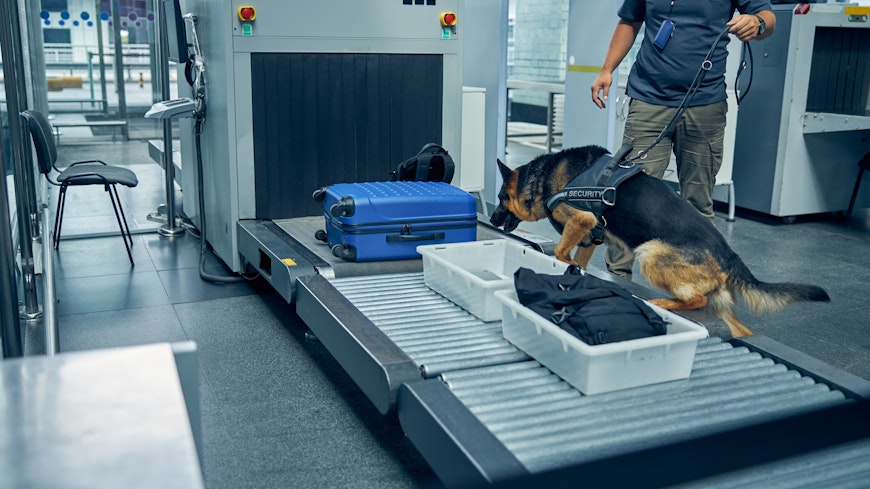
Airports will take responsibility for disposing of batteries, flammable materials or hazardous materials, including aerosols (anything from hairspray to deodorant) or powders (anything from flour through to cosmetics).
Reuseable items, like scissors or toys, are donated to charities or medical facilities.
Metal items are recycled, where appropriate.

Choose the right travel insurance
It's your safety net if anything goes awry overseas. Find out what to look for when choosing travel insurance and what's covered, then compare a range of comprehensive policies.