By Erin Bennett
Test Data Lead | Hautū Raraunga Whakamātautau
When the colder weather rolls in it’s time to pull in the chairs and load up the fire. But what if someone in your home has a respiratory illness – could that cosy fire be harming them?
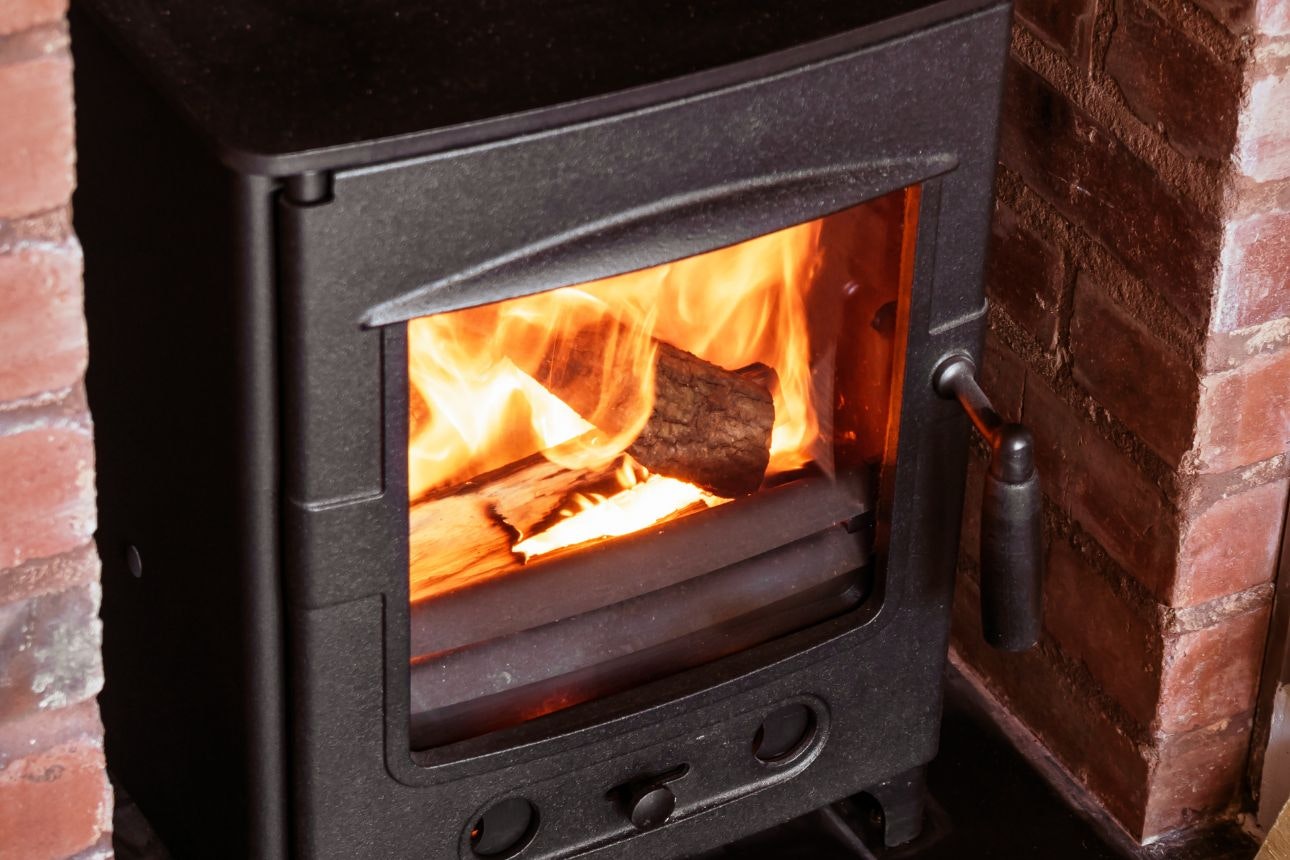
Woodburners and pellet burners are a common feature of New Zealand homes; we all know someone who has one or grew up with one. But burners are a dirty form of heating, producing pollutants such as ash and gases. This pollution exacerbates common respiratory conditions such as asthma, bronchitis and COPD (chronic obstructive pulmonary disease).
2022 had the highest number of hospitalisations of children (aged 0–14 years) for asthma since 2001, with 7,863 hospitalisations nationwide.
Professor Bob Hancox, who is medical director of the Asthma + Respiratory Foundation, said, “We know that ongoing exposure to smoke from residential wood-burning fires is harmful and can be associated with increased respiratory symptoms and hospitalisations in both children and adults. Those living with asthma, chronic bronchitis and COPD may notice more flare-ups if they are exposed to this pollution. In babies and young children, bronchiolitis and pre-school wheeze are likely to be made worse by indoor air pollution.”
Fine particulate matter (PM2.5) is tiny specks of matter in the air that are less than 2.5 micrometres (microns) in diameter. Examples of PM2.5 include dust, ash and wood smoke. The main human-made sources of PM2.5 in Aotearoa are domestic burners (wood and coal fires for home heating). When people breathe in PM2.5, the particles can become lodged in their lungs and affect the person’s health. This is of particular concern for those with existing respiratory conditions.
Should you ditch the burner?
So, knowing this, should you rip out your burner right away?
If your existing burner is at the end of its lifespan, then it’s a good time to consider installing a different form of heating, preferably one that has lower pollution emissions, such as an electric heater or heat pump.
However, if your burner is in good condition or only needs minor repairs, such as replacing seals or a broken grate, to make it burn cleaner, you might not need to replace it just yet.
In any case, there are some simple things you can do to help minimise the health risks from burner pollution.
Reducing pollution in your home
Your burner won’t be the only contributor to pollution in your home, but the more you can do to reduce the pollution it produces, the better.
Try to keep anyone with a respiratory illness away from your burner while its door is open and the most pollutants are being released.
Maintain your burner
Good maintenance of your burner should help decrease the chances of respiratory conditions developing or flaring up.
Keep an eye out for gaps or cracks developing in your burner, and for smoke escaping where the flue joins the burner and exits the room.
Clean out the ash regularly – and make sure your home is well ventilated while you do this.
Make sure the seals around the glass windows and door are in good condition and there aren’t any gaps.
Repair any damage as soon as possible.
Burn dry wood
The wetter the wood, the more pollutants it will release as it burns, so it’s very important to burn only dry wood. It’s best to use wood that’s been drying for at least a year. If you’re not sure how dry your wood is, you can pick up a moisture meter for around $30 from your local hardware store.
Ventilate your home well
It’s a good idea to open the windows in your home every day, ideally twice a day for 10 to 15 minutes. This allows fresh air to enter the home and dilute pollutants. If you can’t open the windows regularly (or the outside air is too polluted), then look at installing a ventilation system or air purifier.
Use an air purifier
Air purifiers work by sucking the air in and across a filter to remove particles from the air. The air that comes out the other side is clean.
Air purifiers are useful when it isn’t possible to open windows and doors or opening the windows and doors can’t help because the pollution outside is just as bad or worse.
To find the best air purifier for your home, see our test online.
The grade of filter in an air purifier can be very important for people with respiratory conditions. HEPA (high-efficiency particulate air) filters can trap particles down to 0.3 microns (a human hair is about 80 microns), which should remove most airborne nasties. Many air purifier brands offer HEPA-grade filter options.
Built-in home ventilation systems work in the same way as portable air purifiers but are more expensive to install (the bulk of the equipment goes in your ceiling) and maintain, simply because of their size.
These measures all need to be paired with other efforts to minimise pollutants throughout the home. This includes not smoking close to the house and using kitchen and bathroom extractor fans.
What to consider when it’s time for a new form of heating
If you’re looking for a new source of heating for your home, it’s important to consider whether a burner is the best option for your circumstances. Burners are great for rural homes or places where electricity supply is limited or unstable. They’re also a good choice if you have a reliable low-cost source of firewood.
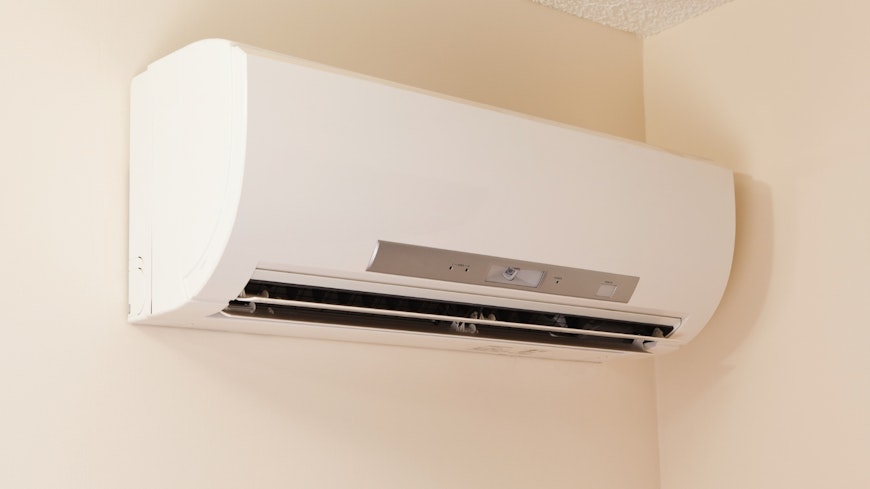
There’s no rule that says you can’t have both a heat pump and a burner. You can have the best of both worlds and, as a bonus, during summer, you can use your heat pump as an air conditioner, and during winter if you have a wetback installed your burner can heat your hot water.
Going electric
Do you really need a burner or are you holding on for the nostalgia? Heat pumps are a great option for heating large areas, such as lounges or open-plan homes, while smaller electric heaters are great for bedrooms. The installation costs might be alarming but then so are those of a new burner. It’s important to keep in mind that to make electrical heating the most economical choice, the house should be well insulated and gaps in doors and windows well sealed.
Ultra-low-emission burners
If you just can’t give up on burners, look for ULEBs (ultra-low-emission burners). These burners meet stringent emissions standards and are very efficient. They are more expensive to buy than non-ULEB burners, so the pay-back time will be longer. But they use a lot less wood for the same or better results, meaning they’ll save you money over time.
For the lowest emissions woodburners compare the results of our test.
Pellet burners
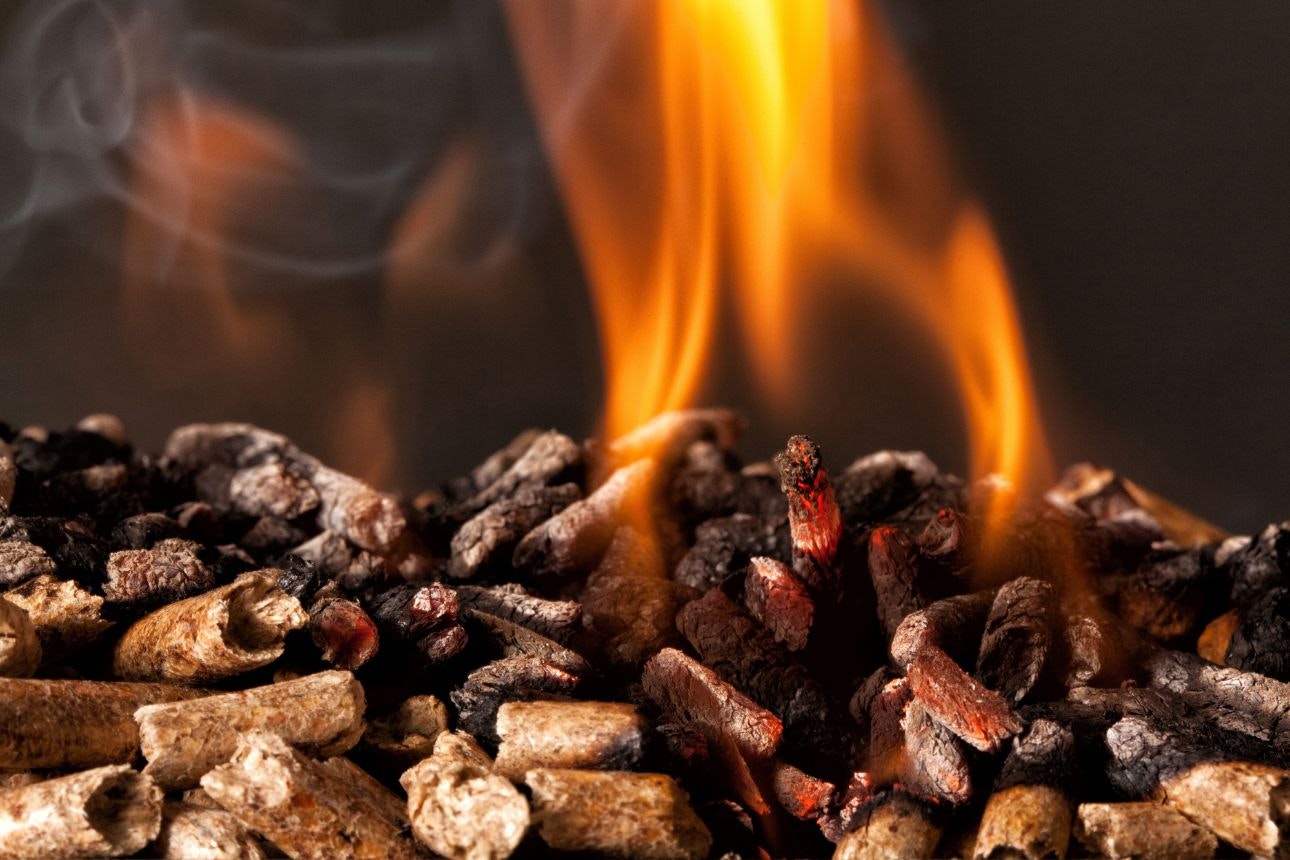
A pellet burner has the look and feel of a woodburner but is even more efficient. Pellet burners feed pellets of wood into the stove’s combustion chamber from a “hopper” storage area inside the stove. This means there is less chance for pollutants to escape into the air. The pellets are made from wood that has been compressed into a small lozenge shape. Pellets can be hard to source in some areas, so make sure you research their availability before committing to this type of burner. Pellet burners use electricity to ignite and run the hopper and fan and control the room’s temperature, so you’ll need a regular source of electricity to run your burner.
For the lowest emissions pellet burners compare the results of our test.