By Kate Harvey
Content Manager | Pou Whakahaere Ihirangi
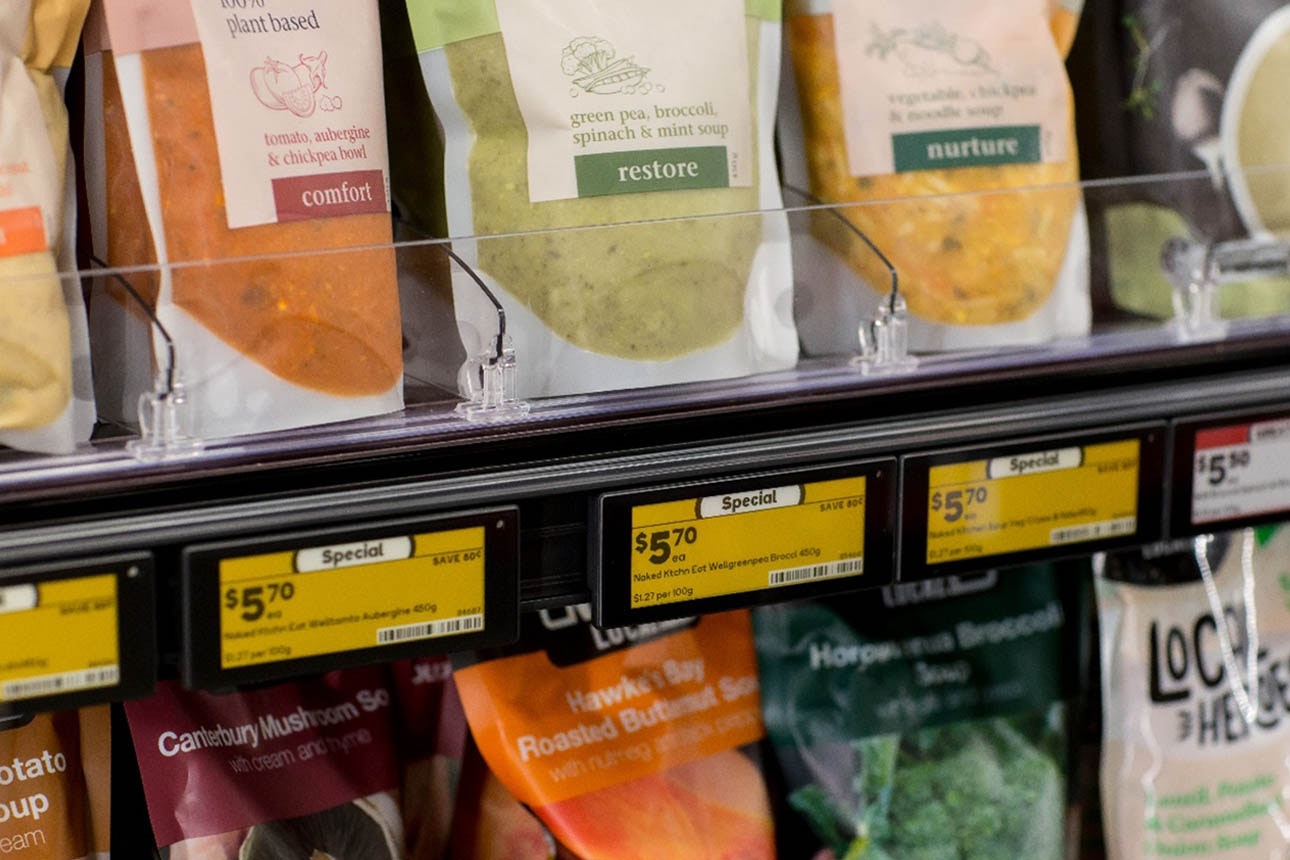
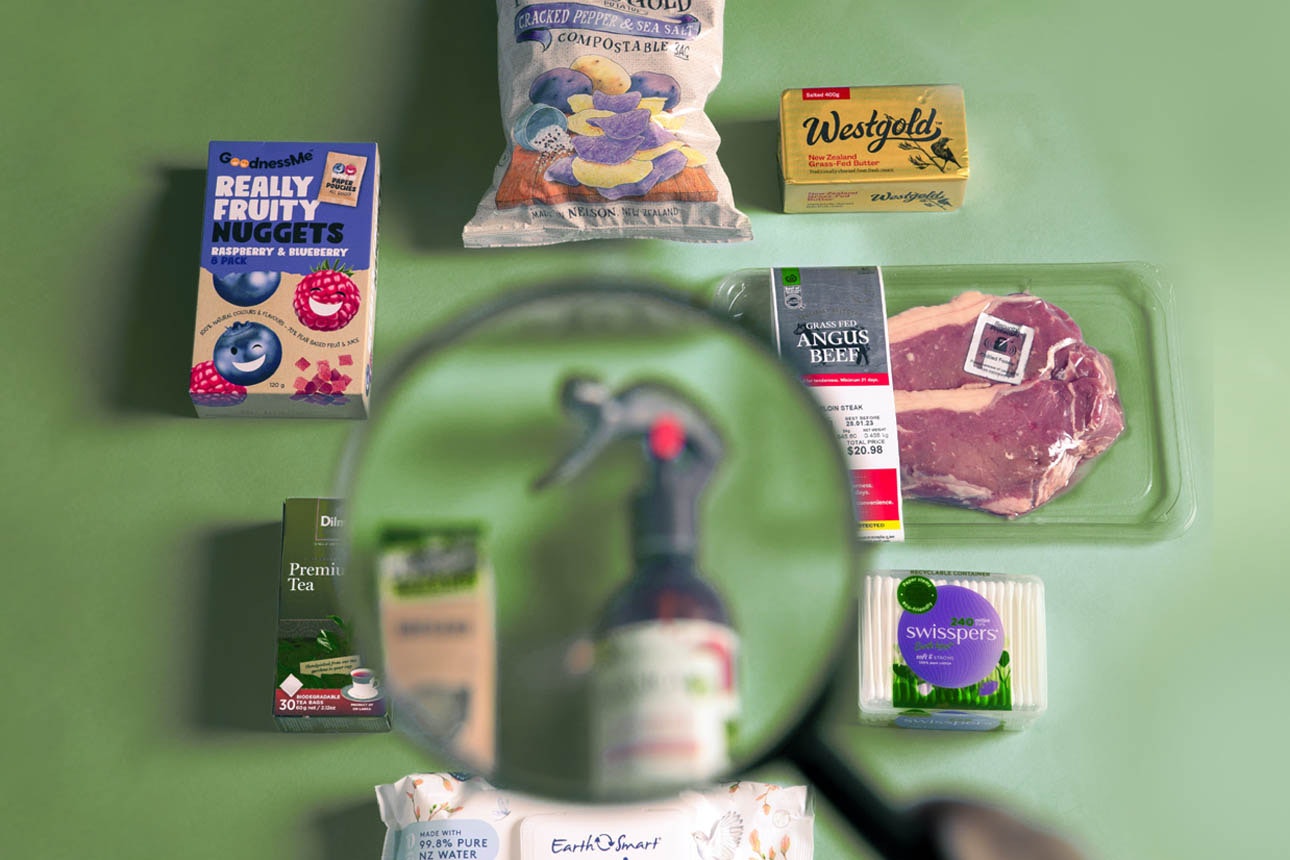
The countdown is on for supermarkets to clean up their act on displaying unit pricing. New regulations that make unit pricing mandatory come into force this week, but supermarkets have a year before they need to comply with them.
Unit pricing makes it easy to compare products on what they cost per unit of measure – for example, per 100g or 100ml.
Mandatory unit pricing is something Consumer NZ has been vocal about for over a decade. It’s mandatory in Australia and the EU, and while supermarkets here have been voluntarily displaying unit prices, it’s pretty hit and miss.
While we’re happy mandatory unit pricing is finally being rolled out, we’re disappointed supermarkets have a whole year before having to comply with the new regulations. In our submission, we said 9 months was sufficient given most supermarkets already display unit pricing, so have the systems in place to fully comply, and we’re in a cost-of-living crisis.
Here’s how the new rules will make it easier to work out which purchase is the best value.
First, pretend you’re standing in the aisle of the supermarket, then see how long it takes you to work out which of these Milo products is the best value?
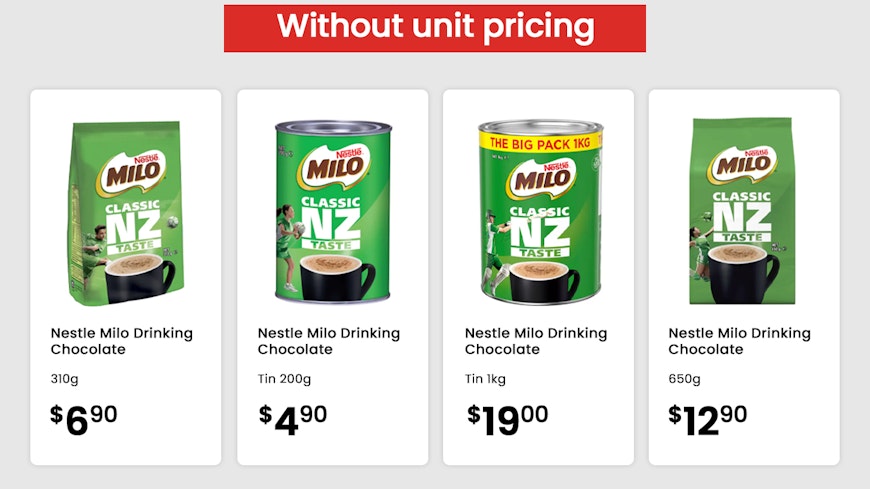
It’s tricky for most of us! But unit pricing makes it a decision that only takes a glance.
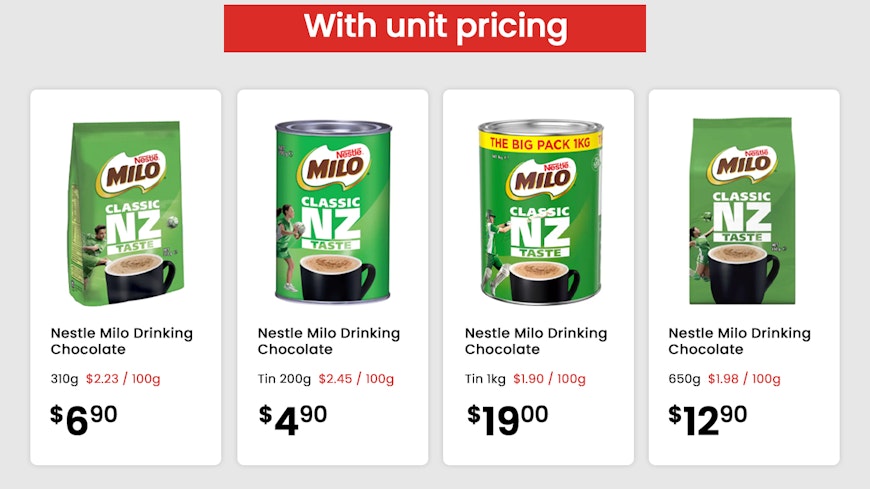
Add unit prices and straight away we can see the 1kg tin is the best value for money, as it has the lowest unit price.
The new rules will also make it easier to compare costs between brands and work out if supermarket “specials” are really that special.
Smaller stores under 1000sqm aren’t required to comply with the regulations, unless they voluntarily choose to display unit prices. We argued convenience stores, like Four Square, should be included as they’re the only option for some people in remote and rural areas.
Mandatory unit pricing is a step in the right direction to clearer pricing at the supermarket, but our work isn’t done yet. Read more about the supermarket changes we want for New Zealanders.
Or read more about unit pricing and how to use it to save money.

How to save money at the supermarket with unit pricing
Our guide to unit pricing and how the small print can help you save big.
Make supermarkets price it right
Find out about our campaign to tell the government we need clear rules, stronger penalties and automatic compensation for shoppers.