By James le Page
Former Product Test Team Leader | Kaiārahi Kapa Whakamātau Hautaonga
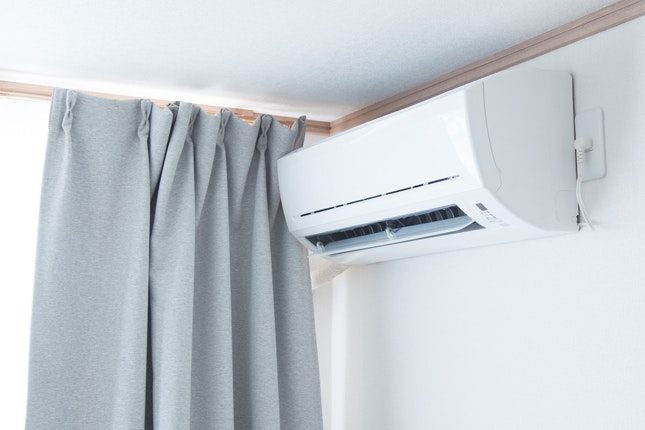
At this time of year, you’ll often see flyers and adverts flogging heat pump servicing. Don’t do it. You can do your own clean and check in less than 10 minutes, and probably save yourself at least $100 in the process.
When to do it
It all comes down to how often you run your heat pump. If you use it sparingly in winter, then you can probably get away with once a year. If you use it a lot throughout summer and winter, you should be thinking at least 4 times a year.
Indoor unit clean
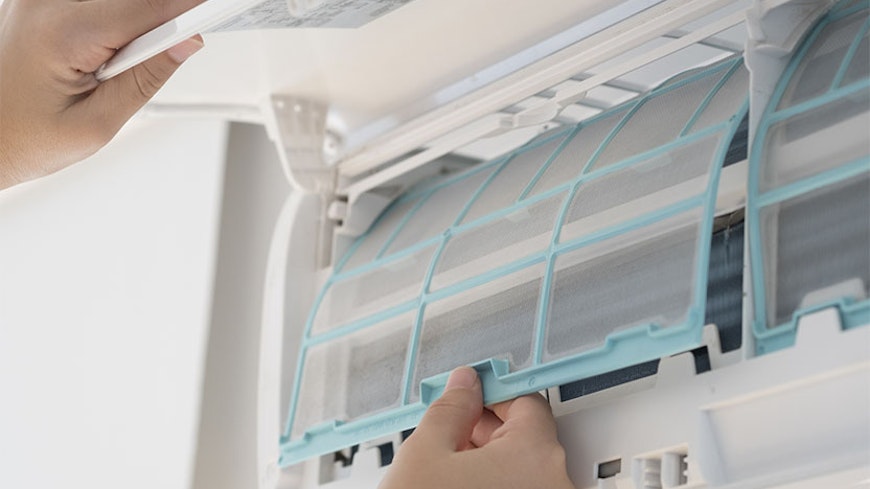
Grab your vacuum and clip on the dusting brush attachment – if you don’t have one, chuck on the upholstery tool and make sure the vacuum power is dialled back a touch. Flip up the heat pump cover and remove the filters (usually they’re pretty clogged up with dust if you haven’t cleaned them for a few months). Vacuum the filters with the brush attachment before passing the vacuum over the vanes and fins inside the heat pump itself. Pop the filters back in place and flip down the cover, then wipe down the outside of the unit.
If you see spots of mould growing on the outer panels, don’t panic. Heat pumps can produce condensation, especially when cooling, which provides the conditions for mould growth. You can wipe it off as you normally would.
If there’s mould on the fins or the filters, it’s probably also growing inside the unit. You can’t reach the inner cogs yourself, so you should get a professional to clean out the unit for you. Otherwise, you risk blowing mould spores through your home.
Outdoor unit check
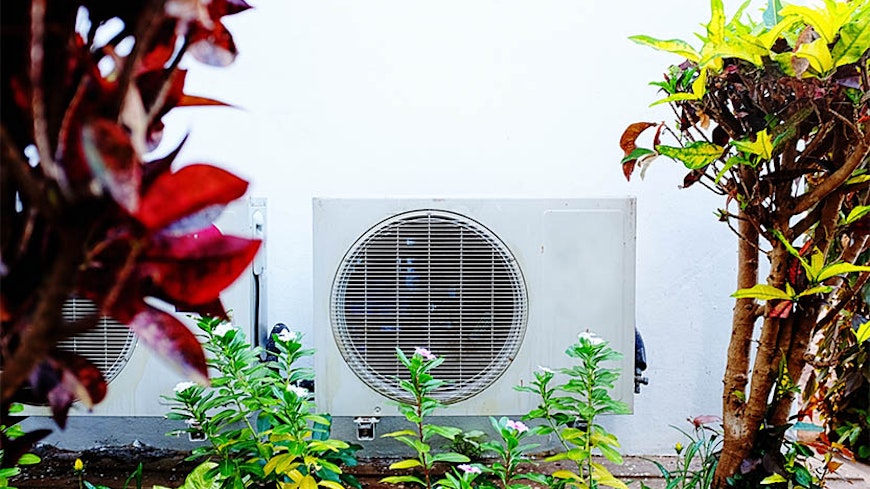
Check around the outdoor unit to make sure there’re no vegetation growing in the vicinity and that nobody’s left anything leaning against it. If there’s anything growing close to the unit, trim it right back or remove it. Now you can take a close look at the outdoor unit itself, look for any signs of insect nests or evidence that there’s some colony present – think ants and cockroaches. You’ll probably be able to treat the problem yourself, but for big jobs you might be better off calling in an exterminator.
Now look for signs of corrosion. If you see something, you should deal with it – or get it dealt with – to extend the life of the heat pump.
Don’t worry if there’s a bit of water on the ground by the outside unit. That’s normal and exactly where you want the water to be. If it’s inside the house, you have a problem.
Final check
Head back inside and turn the heat pump on. Have a listen to make sure everything sounds fine and that there is a good amount of heat coming from the unit – you’ll notice a big jump in performance if your filters were particularly clogged. Pop outside and do the same with the outdoor unit, and from there you’re good to go.
When to get it professionally serviced
You can still call the pros every few years for a servicing if you want that peace of mind that everything is running well, as they’ll run some diagnostic checks at the same time. Other than that, the only time you’ll need a technician is when the heat pump actually develops a fault. It’ll be clear that you have a problem if you notice strange noises, leaking inside or poor performance after cleaning the filters yourself.
Watch our guide
Stay in the know
Keep up-to-date with Consumer's latest news, investigations and product and service reviews, plus join the Consumer panel with invitations to take part in surveys.