The best credit card for you depends on how much you spend and how disciplined you are. Are you prone to the occasional blowout? Is it worth paying a higher annual fee in exchange for more vouchers, Airpoints or cashback? We’ll step you through the key points to consider.

We’ve researched every credit card we could find from banks, merchants and independent financial providers. Here’s all the crucial information for more than 30 cards, so you can compare them in one place.
Compare credit card interest rates and fees
Want to read the full article?
Thousands of expert product/service reviews
Personal support through our Consumer Rights Advice Line
Premium articles and in-depth buying advice
Add a Consumer magazine for even more exclusive content
Credit card rewards: Airpoints, cashback and more
Ultimately, all rewards schemes are designed to encourage spending. In general, you shouldn’t get a credit card for its rewards alone.
A high rate of rewards for a credit card almost always means a high annual fee. Most of these high-rolling schemes (think ‘Gold’ and ‘Platinum’) require spending at least $10,000 a year just to make enough rewards to cover the annual fee – much less get into net profit.
If you’re an average or below-average spender, it might be best to avoid reward schemes altogether and simply opt for a low-interest, low-fee card that’s easier to manage on a monthly basis.
Find out if your credit card reward scheme is worth the cost – or if there’s a better one you should switch to. Enter your annual credit card spend in the calculator below to find the value of flights, shopping vouchers or cashback that this level of spending could earn you across 20+ cards.
Credit card rewards calculator: how much will you earn after fees?
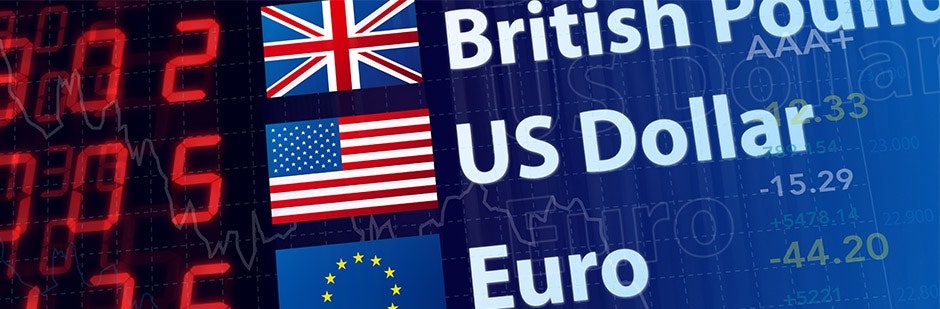
Spending foreign currencies on a credit card
You can use a credit card to spend other currencies when you’re on holiday, but it’ll cost you.
Currency conversion fees are typically 1.5–2.5% of the amount spent. For example, if you spend $4,000 during an overseas trip, you'll pay $60–$100 in fees.
We’ve crunched the numbers and found there’s an alternative to credit cards that can give you better value. Read all about it in our guide to travel money.
What is a debit card?
A debit card is like cash. It draws on the money in your bank account, so you don’t go into debt. However, you still need to be careful; your bank may let you spend a certain amount above what’s in your account, resulting in overdraft fees.
Debit cards are easier to get than credit cards, which can be difficult to acquire if you don’t have a good credit history or have little income.
You don’t get any rewards from most debit cards, and they won’t give you an interest-free period (because you’re never in debt). If you always pay off your credit card each month, there may be no real benefit from switching to a debit card.
As with credit cards, there are extra fees if you use a debit card for a foreign-currency transaction.
Credit card debt getting out of control?
Don’t be embarrassed. Credit cards are a trap, and it’s more common than you think to get stuck in a spiral.
First, stop using the card immediately, and cut it up if you need to. Switch to using a debit or EFTPOS card instead.
Next, speak to your bank about restructuring the debt.
You might be able to set up an automatic payment to pay it off. Or, if you have a mortgage, you could add it to that.