By Belinda Castles
Researcher | Kairangahau
“Good source of fibre”. “Wholegrain No.1 ingredient”. “More than 20% of your daily fibre needs.” We checked out fibre and wholegrain claims on breakfast cereals and asked nutrition experts what you need to know about them.
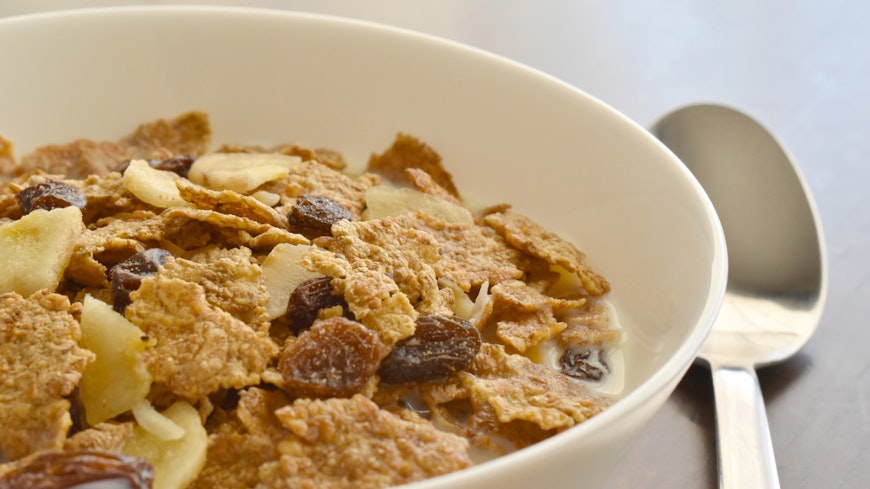
Move over protein. Fibre is the latest nutritional obsession trending on social media. The trend known as ‘fibremaxxing’ is the practice of eating lots of high-fibre foods to reap health benefits and to feel full for longer.
Earlier this year, we found protein claims that were more hype than health in our investigation into protein claims.
Breakfast cereals are a great way to get your dietary fibre requirements. So, I decided to check out the fibre claims on breakfast cereals. From muesli and bran cereals to chocolate-flavoured options, there’s no shortage of cereals touting fibre.
But are all fibre claims created equal? To find out, I checked out 5 claims and spoke to my nutrition colleagues on the Food Policy Expert Group of Health Coalition Aotearoa (HCA).
What do fibre claims actually mean?
Here are 5 fibre claims we found on supermarket shelves.
1. Whole grain #1 ingredient
Nestlé Nesquik and Milo cereals both claim that wholegrain is their number 1 ingredient. Nesquik cereal has 52% wholegrain wheat and Milo cereal has 55%.
But both products are also high in sugar – nearly 25%.
Public health dietitian Dr Leanne Young said wholegrain claims don’t always mean the same thing.
“Wholegrains refer to the amount of cereal grain retained during processing. To be wholegrain, it must retain the bran, endosperm and germ of the grain. However, there’s no standardised definition of ‘wholegrains’. The Australia New Zealand Food Standards Code allows a grain to be considered wholegrain even if all the components are milled into smaller pieces during processing.”
Young explained that is why you can see wholegrain claims on products like highly processed cereals, including Nestlé Nesquik and Milo.
Dr Sally Mackay, the Food Policy Expert Group co-chair, said establishing a standardised definition would help consumers. She would also like wholegrain claims restricted on products that are high in sodium and sugar.
2. Source of fibre
Kellogg’s Coco Pops Chocos claims to be a “source of fibre”. To make this claim, the Food Standards Code requires a product to contain at least 2g of dietary fibre per serve.
While this product contains 2.8g of fibre in a 30g serving, it also has 24% sugar. That’s the equivalent of nearly 2 teaspoons of sugar per serving.
We also checked the ingredients list. The main ingredient is cereals (61%), but all the cereal components are milled flours from wheat, maize, wholegrain oat, barley and rice.
We think there are better options to get your fibre fix than a high-sugar cereal like Coco Pops Chocos.
3. Good source of fibre
Many cereals, including Hubbard’s Light & Right Hazelnut & Almond Cereal and Vogel’s All Good Low Sugar Granola Raspberry & Cashew, claim to be a “good source of fibre”.
To make this claim, a serving of the food must contain at least 4g of dietary fibre. Both these products meet this criterion. However, when it comes to the percentage of fibre, the Vogels’ product has nearly double the amount.
Young said servings sizes aren’t standardised. It’s up to the company to decide on the serving size for the product.
“When you’re considering fibre claims, it’s best to check the nutrition content per 100g. And also consider how much of the cereal you’ll be eating,” she said.
4. Very high fibre
Kellogg’s All-Bran Original claims to have “Very high fibre” that “supports digestive health”. A “very high” claim isn’t specified in the Food Standards Code but to make an “excellent source of fibre” claim, a product must have 7g of fibre per serve.
This cereal hits the mark well. Containing 28% fibre, it has 12.6g per 45g serving.
Research dietitian Dr Nikki Renall said very high fibre cereals, such as bran, aren’t always the best option for everyone.
“The main group to be cautious with is young children. These very high-fibre cereals can fill them up too quickly and displace other nutrient-rich foods they need for growth.”
5. More than X% of your daily fibre needs
Kellogg’s Sultana Bran claims to contain more than 20% of your daily fibre needs in a 45g serving. Woolworths High Fibre Bran claims to contain 60% in the same size serving.
The fine print on the back of these packets shows that these intakes are based on the % daily intake guide (%DI). It’s based on the daily energy intake of an “average adult”, so it’s not relevant to a range of consumers, including children. It’s also based on serving sizes determined by the company, so may vary by product.
Renall said rather than relying on a single cereal product to meet your fibre needs, it’s better to eat a range of fibre-rich foods, including fruits, vegetables, legumes and other wholegrain-rich foods. That way, you’ll be getting all the other nutrients the body needs in these foods too.
What is fibre and what are the health benefits?
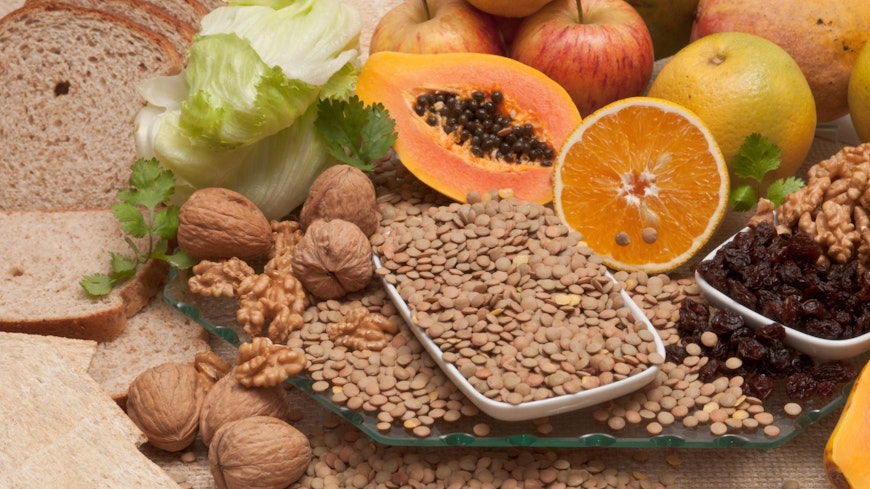
Dietary fibre is a type of carbohydrate found in plant foods that our bodies can’t digest or absorb. Instead, it passes through the digestive system to the large intestine, where it is broken down by beneficial gut bacteria.
The benefits of fibre, and in particular wholegrains, are well researched and supported by nutrition experts and public health organisations.
Mackay said eating foods high in fibre and wholegrains is important for a healthy gut and helps with regular bowel motions.
Young said high-fibre intake is also linked to a reduced risk of chronic diseases, including type-2 diabetes and heart disease.
“It can also have a small benefit for weight loss and healthy weight management because eating fibre-rich foods can help fill you up and make you feel less hungry,” said Young.
Registered dietitian at the Cancer Society of New Zealand Emma Shields said eating plenty of fibre-rich foods (especially wholegrains) helps protect against bowel (colorectal) cancer.
“Fibre increases the size of your poo, dilutes it and helps move it through your system quicker. This means harmful chemicals spend less time in the bowel. Fibre also helps keep the gut healthy by feeding good bacteria,” said Shields.
How much fibre should you eat?
Fibre requirements depend on age and gender. Health New Zealand guidelines recommend men have approximately 30g of dietary fibre each day and women 25g.
Children, especially young children, need less. Too much fibre can fill them up too quickly and displace other nutrient-rich foods they need for growth and to be healthy.
The guidelines state that current data shows dietary fibre intake for adults is lower than recommended. The average dietary fibre intake for New Zealand adults is 20g a day.
The fibre content in other foods
Tips
Don’t rely on claims to choose a high-fibre cereal or food. It’s up to the manufacturer whether they put a claim on the packaging. Many good options, including rolled oats, are often claim-free. Check the dietary fibre content per 100g to compare.
Check the levels of sugar, saturated fat and sodium too. Aim for less than 10g of sugar per 100g or less than 25g if some of the sugar comes from dried fruit.

Why are natural health products so popular?
We asked consumers who take natural health products such as vitamins, what they take and why they take them.