“More products are claiming to be “green” or better for the environment in some way. How do I know I can trust these claims?”
Stroll down the aisles of any supermarket or department store and it won’t be long before you come across a product laying some claim to “greenness”. However, it can be difficult to know what you’re getting for your money.
Warning signs
If the company’s making claims that are general and vague, it’s usually a telltale sign you’re not getting the real deal. Phrases such as “environmentally friendly”, “green”, “natural” and “pure” are examples. These claims are so broad, they’re meaningless.
Manufacturers also like to distract us with claims that may be true, but are irrelevant. For example, a multi-purpose cleaning product touting its green credentials by claiming to be “phosphate-free”. Most of these cleaners are phosphate-free so the claim isn’t useful.
It’s a similar story with claims emphasising a single feature of the product but ignoring other factors that may be more important. The packaging may well be “recyclable” but that doesn’t tell you anything about the environmental effects of the product itself.
Look for evidence
The best way to protect yourself from the green hype is to look for precise claims and evidence backing them up. If the carton of eggs has a claim they’re organic, look for a certification mark from a reputable scheme. If it’s not there, then it’s hard to know what you’re buying.
Be suspicious if there’s no real evidence supporting the claim. The Fair Trading Act prohibits companies from making false or misleading environmental claims. The act also says companies must have good evidence to back up what they’re saying. Traders found in breach of the act can be fined up to $600,000 for each offence.
If you think the company’s claim is misleading, you can make a complaint to the Commerce Commission. Let us know too.
Certification labels
Third-party certification helps distinguish real claims from fake, though it doesn't necessarily mean a product is the "greenest" of them all. Products with third-party certification are still the exception.
The most common eco-labels you’ll see on local products are:
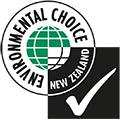
Environmental Choice
A government-backed scheme run by the New Zealand Ecolabelling Trust. To get the scheme's tick, products have to meet criteria relating to their manufacture, packaging and distribution. Comparable international labels on imported goods include Good Environmental Choice Australia, Green Seal (US) and the EU Ecolabel.
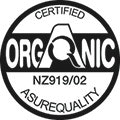
AsureQuality Organic
Run by AsureQuality, a commercial company owned by the government, which certifies organic production.
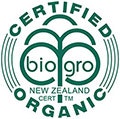
BioGro Organic
Run by BioGro New Zealand, an independent organic certification body.