We have launched a petition calling on the government to step in and force banks, digital platforms, and telcos to do more to stamp out scams.
Over the past 12 months, 50% of households reported being targeted by a scammer, totaling over 1 million households in New Zealand. As many as 185,000 households were scammed out of their hard-earned money during the same period.
Consumer’s research found that all New Zealanders are at risk of being scammed, regardless of age, gender, ethnicity, income, or educational attainment.
“New Zealanders are not adequately protected against the growing threat posed by these invisible criminals who are constantly looking for new ways to part them from their hard-earned dollars,” said Jessica Walker, campaigns manager at Consumer.
According to the advocacy organisation about $200 million was stolen from scam victims in 2023.
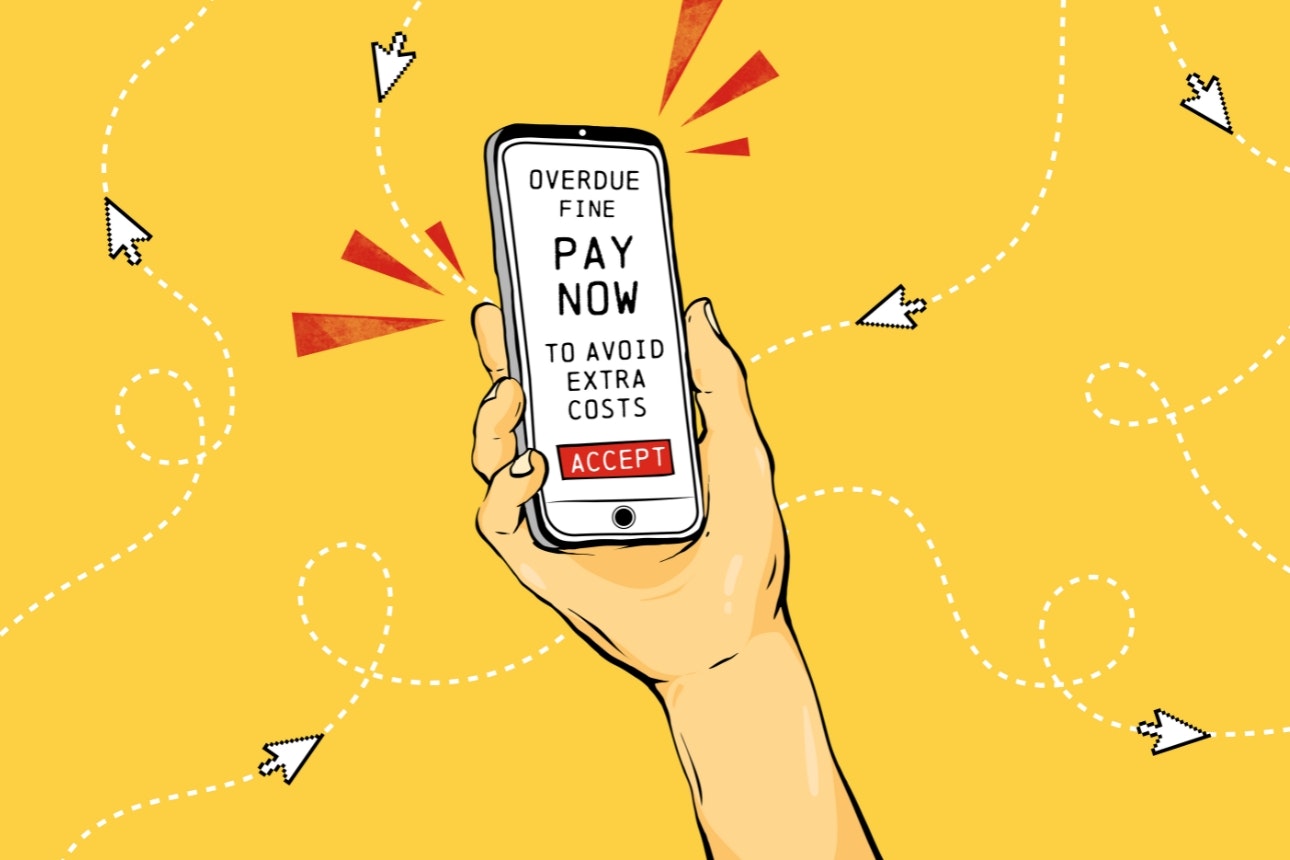
“Scammers and scams have evolved to the point they pose a risk to everyone who uses mobile phones, email addresses, social media accounts or the internet in general.
“Many people recognise that scams are a significant problem, but no one is taking the lead and demanding action. There's power in numbers, so we're asking New Zealanders to get behind this cause and push the government to introduce greater scam protections,” said Walker.
“Countries that are taking this threat seriously include Australia, Singapore and the UK. Governments there are upping the ante to protect their citizens, and we are asking the coalition here to do the same.”
Consumer’s petition is calling for:
banks to refund scam victims unless the victim has been grossly negligent
a national anti-scam framework requiring banks, telcos and digital platforms to take action against scams and outlining their liability if they fail to meet their obligations
a centralised anti-scam centre where relevant organisations work together to keep us safe.
“Anti-scam centres are being run by governments in Singapore and Australia, but the government here has left it to businesses to regulate themselves. It’s not enough,” said Walker.
Manaaki Tāngata | Victim Support told Consumer that as scams are becoming increasingly sophisticated, it believes society's response to fraud victims needs to evolve too.
“The impact of fraud can be life-changing for victims, with devastating financial, emotional, social and psychological consequences. Yet, New Zealand's response to fraud victims lags behind our attitude towards other crime victims, including what fraud victims are entitled to under the Victims' Rights Act,” said Dr Petrina Hargrave, GM for advocacy and strategy at Victim Support.
According to Dr Hargrave, crime happens because of criminals, not because of victims.
Consumer is urging New Zealanders to sign its petition and call on the coalition to step in and stamp out scams.

Stamp out scams
Scams are on the rise, with over a million households in NZ targeted by scammers in the past year. Help us put pressure on the government to introduce a national scam framework that holds businesses to account.