By Belinda Castles
Researcher | Kairangahau
Crumbed, battered or seasoned, a packet of frozen fish fillets or fingers is a quick and hassle-free option for fish and chip fake-aways.
We checked out 61 frozen fish products, including fish fillets, fingers, bites and cakes. There’s a big range when it comes to how much fish you’re getting and some products are high in sodium – and that’s before you add the oven fries and tomato sauce on the side!
How much fish?
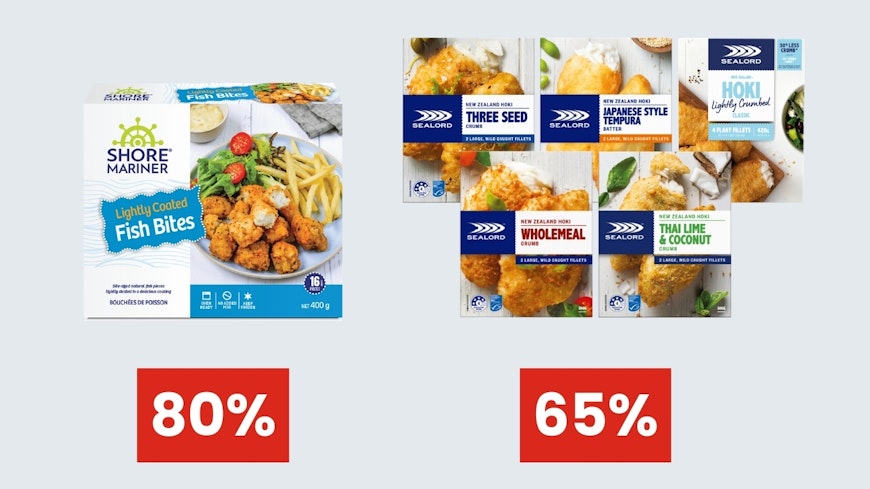
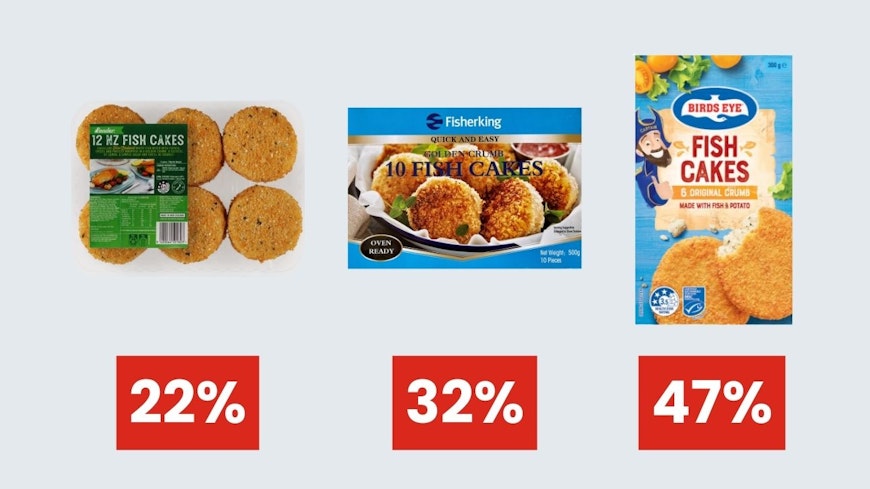
Only six products in our survey contained 65% or more fish, and 17 had 50% or less. Not surprisingly, the three products with the least fish content were fish cakes, which are also made with potato.
The remaining 37 products contained 51% to 60% fish. While crumbs, batter and coatings accounted for some of the balance, these ultra-processed foods have a long list of ingredients you wouldn’t cook with, or have in your pantry, such as emulsifiers, additives and preservatives.
TIP: A lengthy ingredient list is a good indication a product is ultra-processed.
Highest fish content
Lowest fish content
The majority of products in our survey disclosed the type of fish and where it was from in the ingredients list.
Sodium standouts
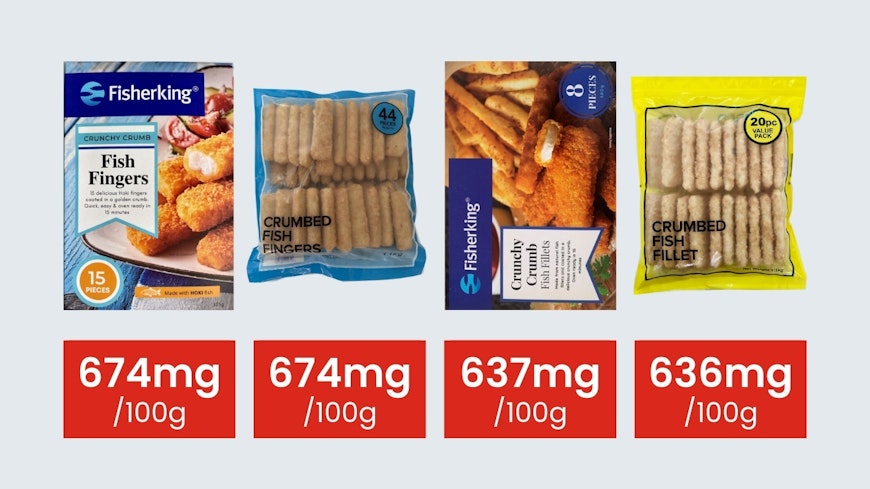
Six products were high in sodium (they had more than 600mg per 100g). Children aged 4 to 8 years old should have no more than 1,400mg of sodium per day – for adults the recommended maximum is 2,000mg a day.
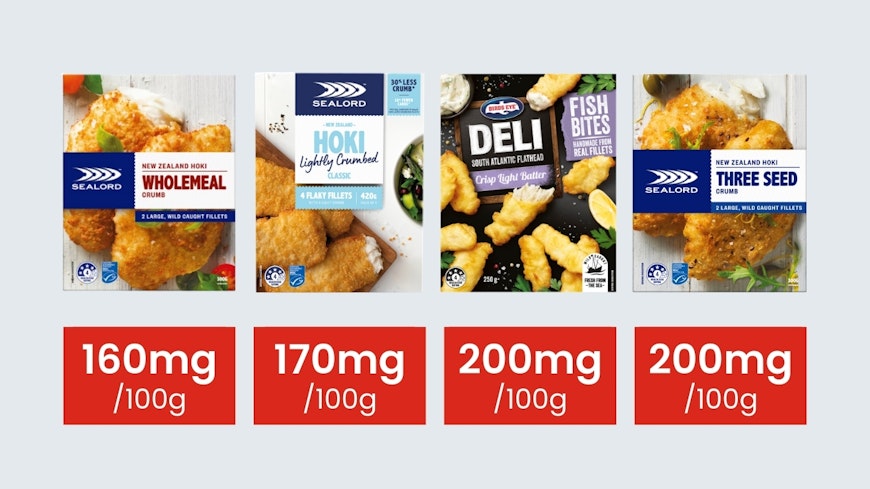
While none of the products were low sodium choices (less than 120mg per 100g), 14 were a healthier choice with 250mg or less sodium per 100g.
Eating too much sodium (the baddie in salt) can increase your blood pressure, the number one cause of stroke in New Zealanders. According to the Stroke Foundation of New Zealand, most Kiwis consume double the maximum recommended daily salt intake – and around 75% of this comes from processed and packaged foods.
Highest sodium content
Lowest sodium content
Chicken or fish: which is healthiest?
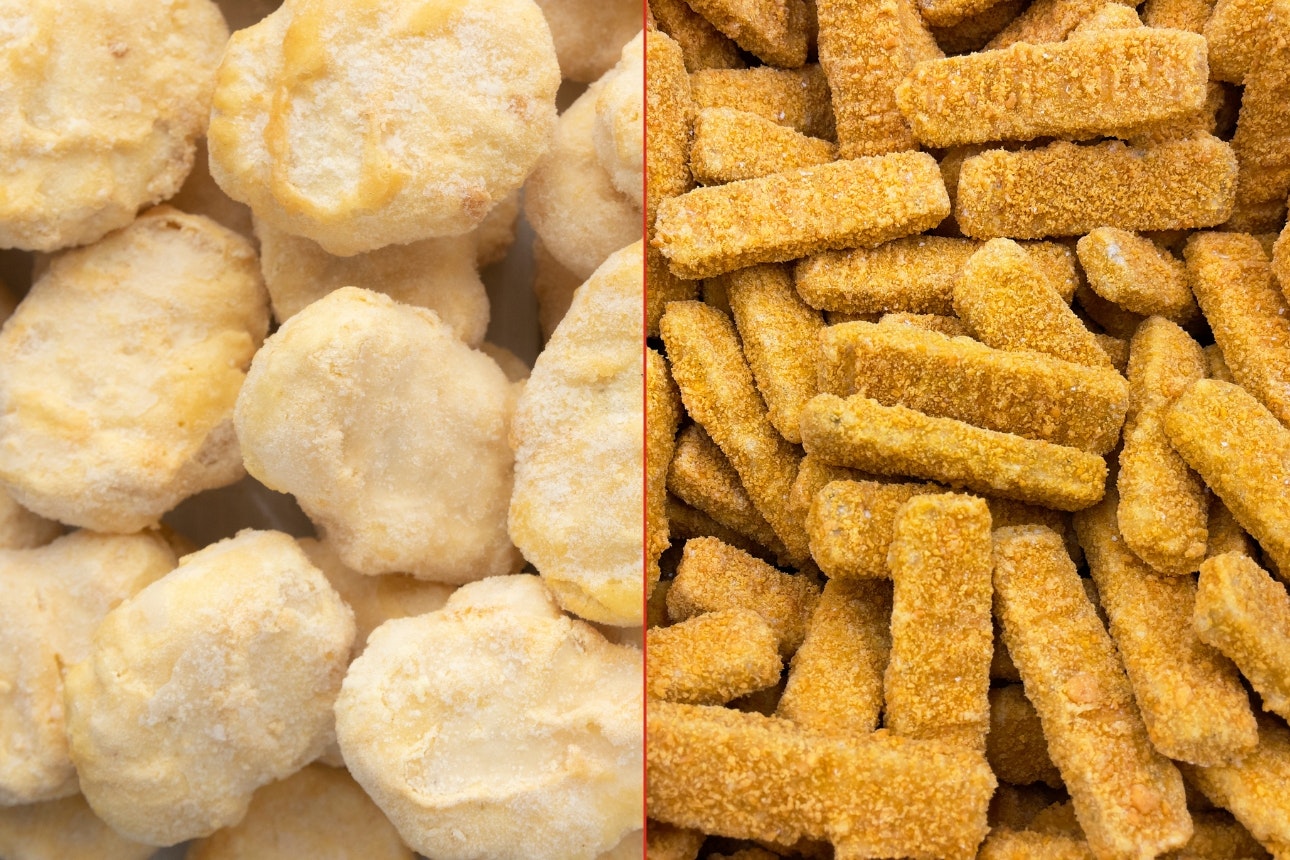
When it comes to nutrition, frozen fish products tend to be healthier than chicken products. In our survey of frozen chicken products, including nuggets, tenders and burgers, 10 products had high sodium levels. We were also surprised at how little chicken some of them contained.
Yet instead of either, it can be healthier (and sometimes cheaper) to make your own crumbed chicken or fish. Check out Belinda’s recipe for DIY crumbed chicken.