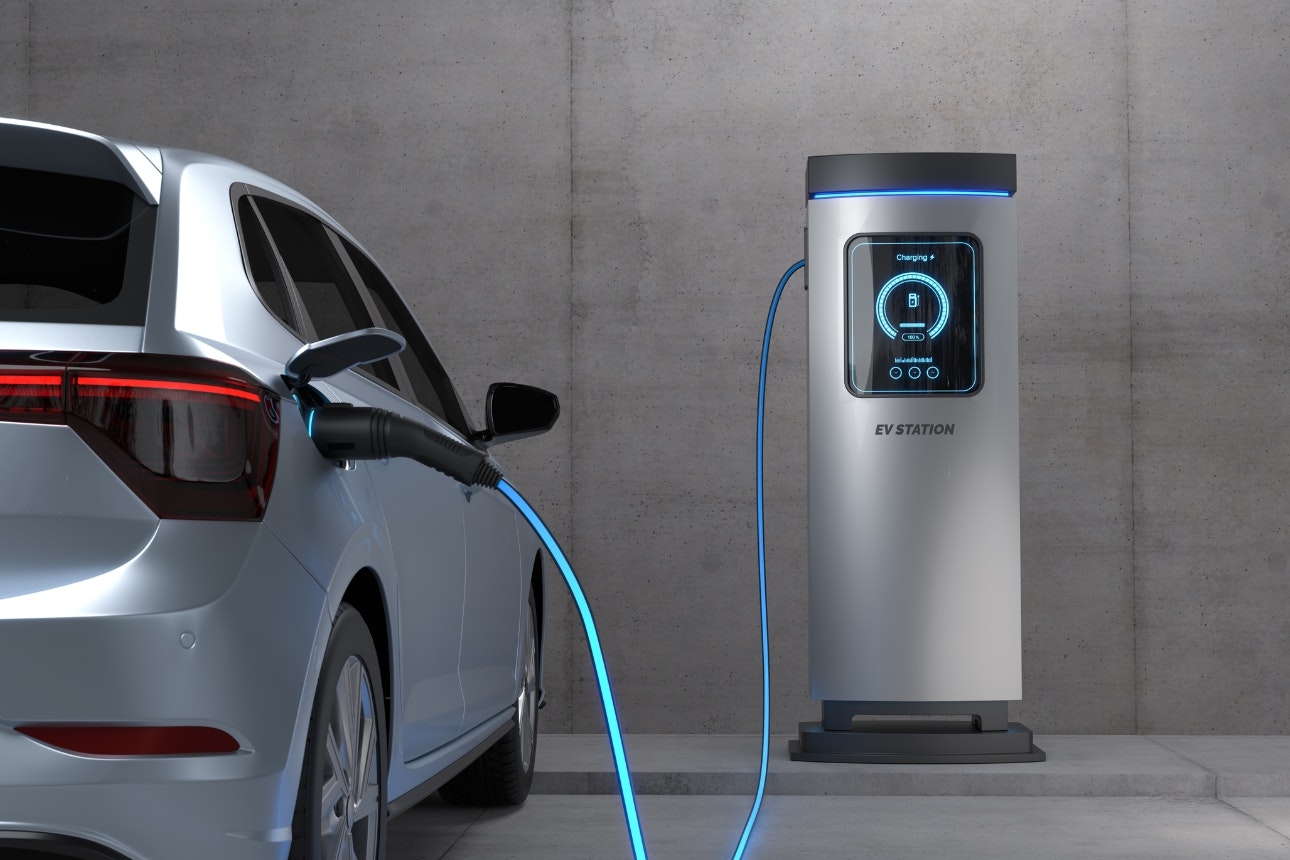
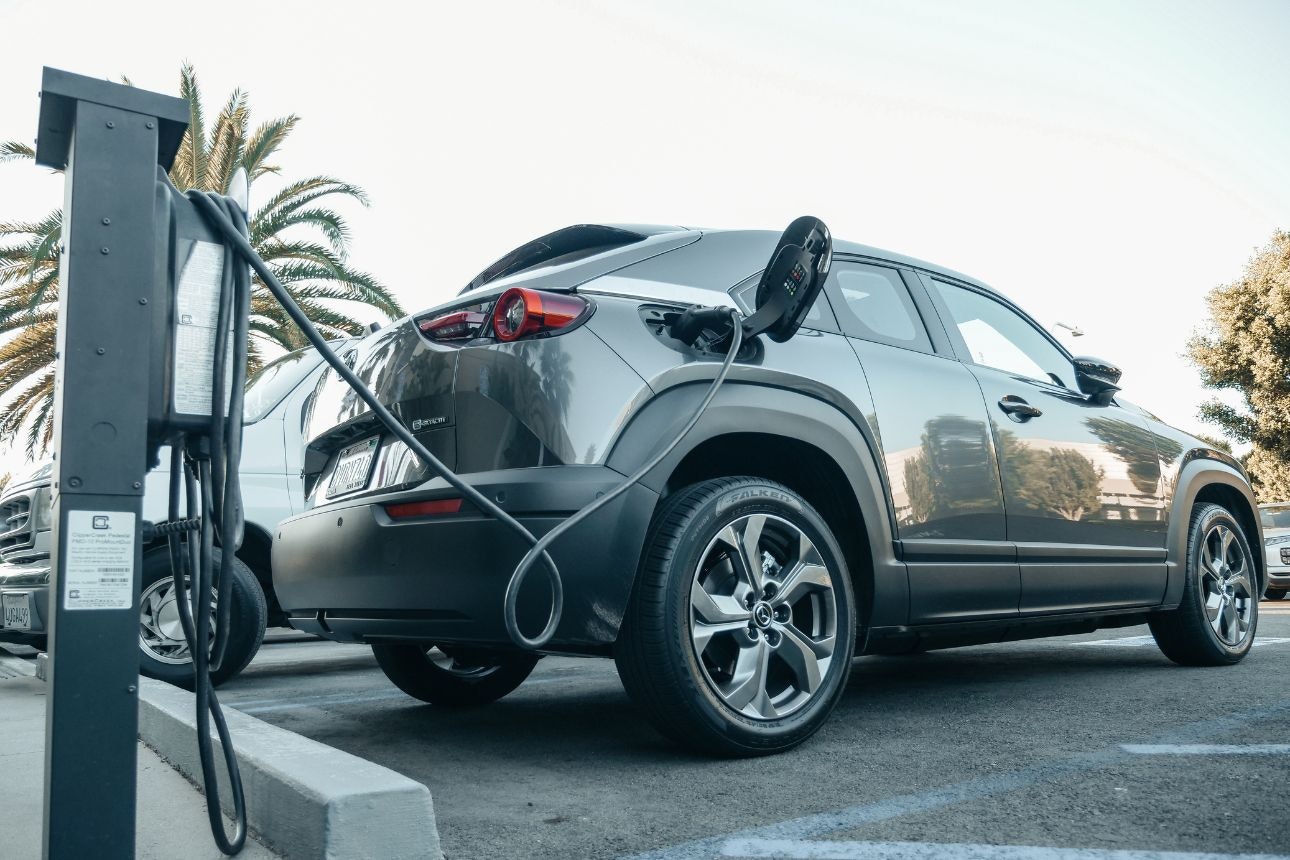
When a storm strikes, and the power goes out, your electric vehicle or solar power could keep your lights on.
With Aotearoa experiencing more extreme weather events that can leave us vulnerable to power cuts, one of the less-heralded benefits of electrification comes to the fore.
“Electrification is one of the simplest ways to reduce [greenhouse gas] emissions and make everyday life more affordable for households. At the same time, it can increase our energy independence and make us more resilient,” says Jo Hendy, the chief executive of the Climate Change Commission.
“Rooftop solar power paired with a home battery can keep your lights on during a power outage, while EVs can be used as a back-up power source.”
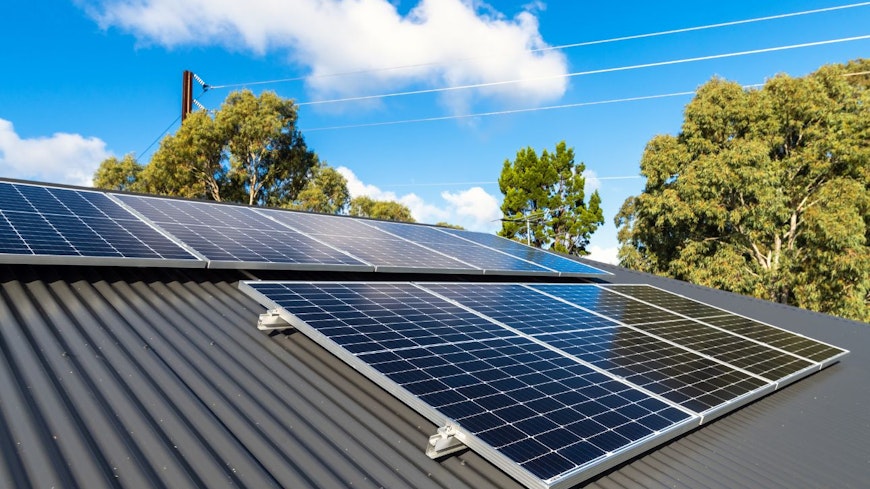
But what do you need to do to get your electric vehicle (EV) or solar panels boiling the kettle or keeping on the lights when the grid goes down?
3 ways an EV can supply power
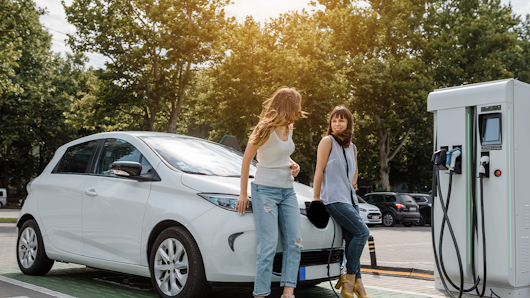
Some EVs now have the capability for bidirectional charging (also known as Bidi), which means the power sent to your car to charge it can be sent back to your house or an appliance.
This can make your car a useful power source if you want to take a coffee machine to the beach or if you’d like a bit of power to heat the kettle when you’re out camping. It’s also very useful if there’s a power blackout and you want to keep your fridge freezer running until the mains power supply comes back on.
But not all EVs have this feature, and there’s some safety information to be aware of. There are three levels of Bidi: vehicle to load (V2L), vehicle to home (V2H) and vehicle to grid (V2G). We’ll run you through the details for each of the three options.
1. Vehicle to load (V2L)
The V2L feature is designed to power a few small appliances (such as a toaster or blender) or your fridge. Some cars have a three-point plug onboard for this, or you may need an adaptor provided by the car manufacturer.
For Bidi to work with this option, you plug the adaptor into your vehicle charging port. The other end of the adaptor typically has a power multi-board that you can plug a couple of appliances into.
Some EVs will stop powering the appliance you’ve plugged in when their battery is running low, typically at around 15% capacity.
2. Vehicle to home (V2H)
V2H technology enables your car to send electricity into your home power system during a power outage.
However, you will need to have a dedicated charger installed at your home that can convert the power from the EV into the AC power that most homes run off.
It’s best to get in touch with the manufacturer of your EV to check whether your car has this capability and to get their recommendations for enabling it at your home, as well as any warranty implications. It’s likely the EV manufacturer has access to registered electrical technicians who can help with the installation.
3. Vehicle to grid (V2G)
V2G builds on the V2H capability, so it also needs a dedicated bidirectional charger, along with software to control the energy going into the grid.
The theory is, with V2G, you can charge your EV when power tariffs are low. Then, at times of peak demand on the grid (when everyone’s home from work and cooking dinner or having a shower), you can discharge power back into the grid.
This option isn’t up and running in Aotearoa yet, but trials are underway. The Energy Efficiency and Conservation Authority (EECA), in conjunction with the Queenstown Electrification Accelerator, are currently running a pilot study to show the benefits and create a plan for rolling out the technology nationwide.
An analysis from legal firm MinterEllisonRuddWatts notes that bidirectional chargers are more expensive than other EV chargers, which is likely to be prohibitive for most people.
“Consumers will also need to be incentivised to participate in Bidi, for example, via rebates on electricity charging for consumers who feed electricity back into the grid or
free electricity time if a consumer uses Bidi,” the firm declares.
Steps are underway to make the potential of Bidi a reality, but there’s no set deadline in place. In Australia, the aim is to have it in residential homes by 2030.
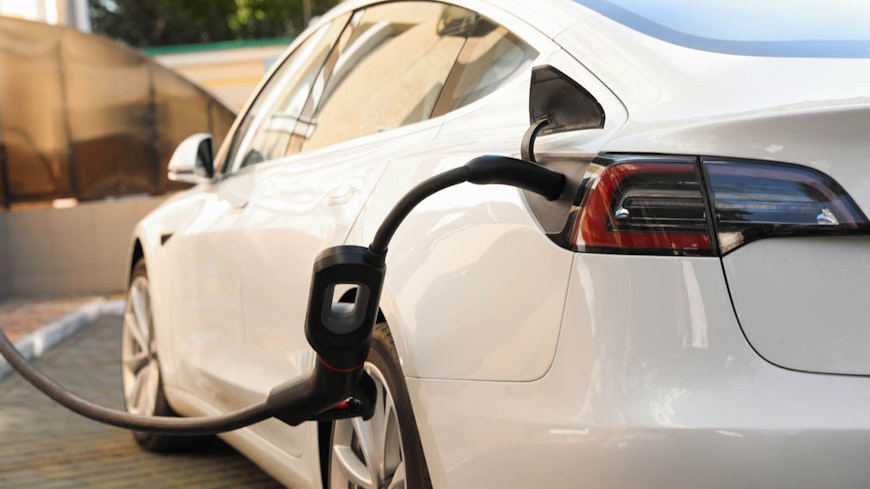
How to set up your EV to provide emergency power
In a crisis, even a little bit of power to make a cuppa can make a big difference to your emotional and physical welfare. To prepare your EV as a backup power source, Worksafe New Zealand (Worksafe), the government agency tasked with regulating and enforcing health and safety in workplaces, recommends the following:
Check with the manufacturer of your EV what the vehicle’s capabilities are for Bidi.
The wiring to set up a suitable connection point in your home needs to be installed by a licensed electrical worker who is familiar with a distributed supply of electricity and installation.
Once the connection point is installed, it should be checked by a licensed inspector of electricity storage systems.
There are currently electricity safety regulations and New Zealand standards for safe electrical charging, however, there is no official information available about using an EV as an energy storage system. Worksafe is considering adding information to its existing guidelines for safe EV charging.
How solar power can boost your resilience and your income
Richard Mowll works in emergency management, so when it came to building his new home, he did so with resilience front of mind.
“I’m highly aware of some of the vulnerabilities in our infrastructure through my work,” Mowll says.
“Generally, the electricity network is very reliable for ‘business as usual’ situations, but it’s vulnerable to larger-scale hazard events. Because I work in emergency management, when those large-scale events happen, it’s important for me to avoid disruption.
“The first thing I looked at getting was a generator, but buying a generator and having it wired into the house was going to cost a lot. Solar was more expensive up front, but it would give me an instant upgrade to my resilience and, in the long run, cheaper electricity bills.”
However, not all systems can keep the lights on if the grid happens to go down. Your installer needs to specify a hybrid inverter that’s capable of isolating your household power from the grid, drawing power exclusively from your solar panels or a battery.
“If our battery is at 100%, that would tide us over for at least 24 hours with no sunlight,” Mowll says. “Of course, normally the sun comes out, and even if it’s a cloudy day, there’s usually sufficient light to power the solar panels to some degree.”
Mowll is yet to experience a significant outage with his hybrid solar set-up, but when the power has gone off on his street, his has stayed on. In the meantime, his financial relationship with his energy provider has changed significantly.
“In the summer months, we’re regularly producing surplus electricity and exporting it back into the grid. Over the winter, we might not be able to produce enough to fully power our household, but it’s still subsidising our electricity use. One year, our provider paid us $700, as opposed to us paying it.”
But what does it cost?
“In New Zealand, we are lucky because most of our electricity already comes from renewable sources like hydro, wind and geothermal,” says Jo Hendy.
“This energy independence can reduce emissions while protecting us from big swings in petrol and gas prices and offers tangible benefits in the form of lower running costs, healthier homes and cleaner air.”
But, at present, electric alternatives are still too costly for many consumers.
“[The] upfront cost of switching to solar or buying an EV can be a barrier. This is why making these options affordable and accessible is critical for increasing our nation’s resilience. Many families will need support to make the shift,” Hendy says.
The problem is that, in New Zealand, there is little support for those looking to live greener, cleaner and more resilient lives.
In December 2023, the Clean Car Discount programme ended, and in April 2024, road user charges came on board for EVs. These changes have made it more expensive to run an EV, putting the financial and resilience benefits out of reach for many who find the up-front costs a hurdle too far.
While solar power can reduce consumers’ living costs, it can take 7-10 years for the savings to counteract the upfront costs – longer if you install a battery. Most banks provide low-interest finance for solar power installation, but subsidies – as offered in Australia and the United Kingdom – would help consumers more quickly realise the economic benefits of solar.
EVs and solar panels are smart investments for those who can afford them, but unless steps are taken to make these green technologies more accessible, we can’t expect to see a nationwide uptake in these valuable resilience measures any time soon.
Check out our electric and hybrid car tests
Find the best electric or hybrid vehicle with our buying guide and electric cars reviews. We've road-tested 50 current and 81 discontinued models.