Having a good promotion or discount is now the main reason a New Zealander chooses a store – surpassing loyalty and convenience. With the seemingly endless advertisements between now and Boxing Day – Consumer NZ warns shoppers to dodge bogus promotions and snag the real deals.
On this page

Abby Damen, communications and campaigns adviser at Consumer NZ, explains there are rules shops must follow when advertising sales.
“We’re already getting bombarded with flash sales, countdown timers, discounts and ‘hot deals’ in the frantic rush to Christmas. Black Friday sales start now, and they’re being promoted everywhere – hitting our inboxes, billboards and wherever we scroll,” she says.
Yet Consumer’s sales tracking research over the years has found specials aren't always what they seem.
“Unfortunately, whether these opportunities to save money are legit or not requires a healthy dose of vigilance and a bit of scepticism.
“Sales must be genuine, limited opportunities to save. If they’re not, they risk misleading consumers – and that could be a breach of the Fair Trading Act.
"You don’t want to look back at your spending over November and December and realise you spent more than you meant to. Arm yourself with a bit of consumer rights knowledge and take a breath before buying.”
How to get a good deal
Look past the hype
“Just because it's got a special sticker on it or a promotional tagline like ‘hot deal’ doesn’t mean that product you've got your eye on is on special,” says Damen.
“Make use of sites like PriceMe or PriceSpy to see how much the item you’ve got your eye on usually sells for. You’ll quickly see whether that ‘half-price’ deal really stacks up – or the product has been hovering at that price for months.”
Damen warns shoppers to be wary of online reviews too, noting a 2021 report from the World Economic Forum that found fake online reviews translated to billions of dollars in spending globally.
“Visit sites like consumer.org.nz for independent sources of information and reviews you can trust.
"And be suspicious of sites that use pressure tactics like countdown timers or scarcity cues (that is, ‘only one left!’). Look past the FOMO. You probably won’t miss out.”
Know your rights
“Your rights don’t disappear at the checkout. Even if something’s on sale, your rights under the Consumer Guarantees Act still apply.”
That includes on sale items marked “final sale” or on products that say “no refunds on sale items” Damen explains. You’re entitled to a repair, replacement or refund if the product isn’t of acceptable quality, fit for purpose or as described.
Pay by card
Over the past year, thousands of New Zealand businesses have gone into liquidation. Damen says customers who have bought gift cards or paid a deposit but are yet to receive goods are considered 'unsecured creditors' and have limited strings they can pull to get their money back.
“In these situations, apart from requesting a chargeback from your bank (if you paid by credit or debit card) and registering with the receiver or liquidator as a creditor – there's little else you can do.
She adds that, with scams and fake boutiques as an ever-present threat, paying by debit or credit card is the best way to protect your money.
“You’re going to see an increase in the number of advertisements that are targeted at you online. You’re probably going to spend money, and perhaps on things you didn't need or maybe even want.
“If the worst-case scenario happens and that thing you’ve bought is faulty, not as described, didn’t turn up or is costing you more than expected in return shipping fees – keep your receipts and document all correspondence so you're in the best place to try and get your money back.”

7 tips for shopping online
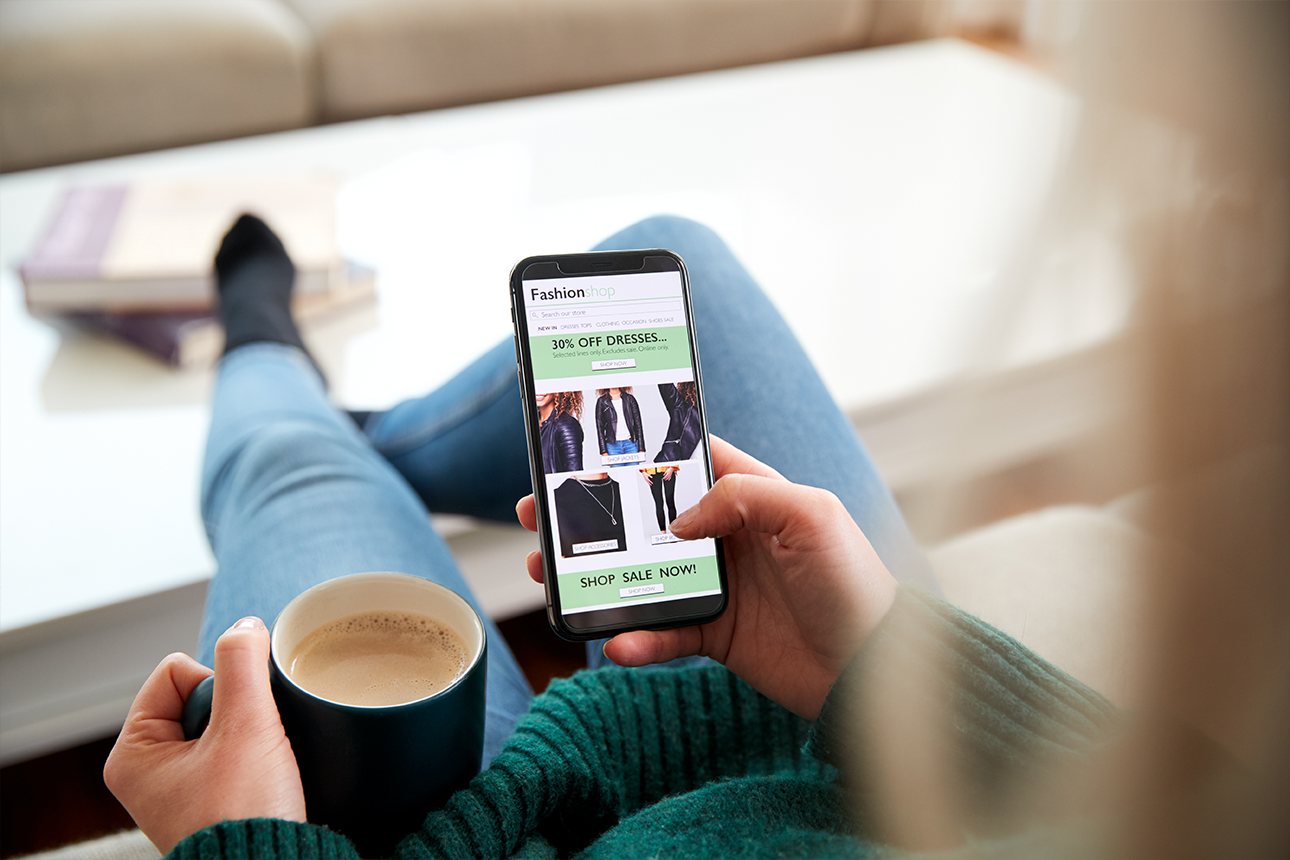
The convenience of shopping from the couch is undeniable. But it’s not without risks. Scam sites, tough return policies and packages that vanish all challenge the online shopper.
So, before you click ‘add to cart’, check out our tips for having a good online shopping experience.