By Vanessa Pratley
Investigative Journalist | Kaipūrongo Whakatewhatewha
From 1 January 2026, it is illegal to import or manufacture cosmetics containing butylphenyl methylpropional, also called lilial. Research has found lilial is toxic for human reproduction and can cause skin irritation.
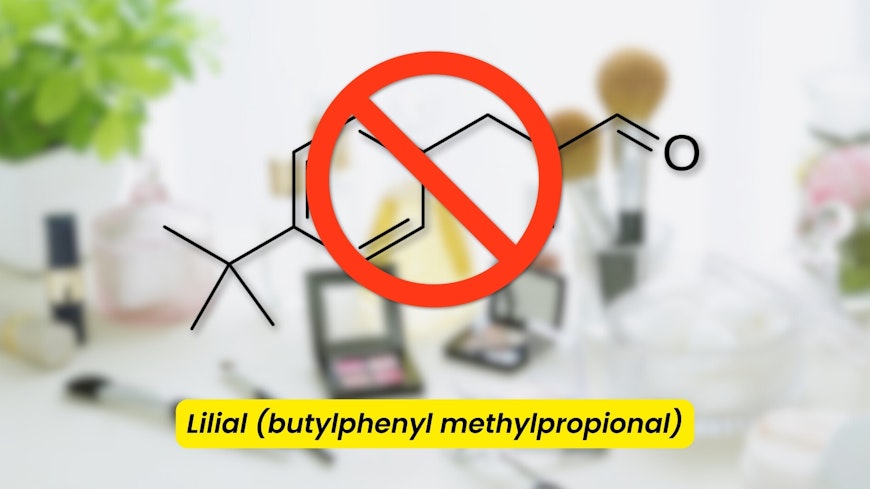
That’s why a Consumer supporter was understandably confused when she found lilial listed in the ingredients for a natural deodorant just a few days into the new year.
The supporter, who did not want to be named, said it was Essano’s Lily Flower and Chamomile deodorant.
“I was just looking into ingredients in my deodorant when I noticed [lilial],” the supporter said.
“I saw it can cause reproductive toxicity, and I also read it was banned in New Zealand. I’ve had a long struggle with infertility, and it’s upsetting to see these ingredients in everyday items.”
Consumer got in touch with the Environmental Protection Authority, Aotearoa New Zealand’s regulator of hazardous substances, for an explanation.
It confirmed the ingredient was banned.
“Cosmetics containing butylphenyl methylpropional (also known as lilial) are no longer allowed to be imported or manufactured. The ban came into force on 1 January 2026,” a spokesperson said.
But because of a grace period for suppliers and retailers, you’ll still find lilial in cosmetics until next year.
“Cosmetics with this ingredient that are already in the country can legally be sold until 1 Jan 2027 and used until 30 June 2027.”
Consumer got in touch with Essano to ask it how it planned to phase out the ingredient, but it didn’t meet our deadline.
What is lilial?
Lilial is a chemical compound found in cleaning products and cosmetics. It’s mainly used for its lily and lily of the valley scents, making it a favourite for fragrances such as Marc Jacob’s Daisy.
Why is lilial banned?
Research has found lilial can be harmful to fertility and could damage foetal development. Lilial can also cause skin sensitivity and allergic skin reactions.
In 2019, the European Union Scientific Committee on Consumer Safety (SCCS) found lilial can be safe in leave-on or rinse-off products, including those that are used on the body.
However, lilial is used in a range of cosmetics, and the SCCS concluded that layered or repeated exposure could increase the risks associated with the compound to above safe levels.
As a result of the SCCS report, lilial was banned in the EU in 2022. The Aotearoa ban is designed to bring our rules in line with the EU and is one of several updates to regulations.
This move was supported by Cosmetics New Zealand, which represents the majority of the cosmetics industry, including manufacturers and importers.
Lilial is still allowed in Australia, Canada and the USA, though California will ban the ingredient from 1 January 2027.
In Aotearoa, it isn’t banned in other products such as air fresheners and cleaning products.
What products use lilial?
A variety of products use lilial, including cosmetics such as:
fragrances
make up
nail polish
deodorants
moisturiser
sunless tanners or fake tans.
A quick search for lilial under its other common name – butylphenyl methylpropional – on Chemist Warehouse’s website reveals over 200 products with the ingredient.
It’s easy to see how consumers could layer these products, inadvertently increasing their lilial exposure. For example:
after applying St Tropez’s Self Tanning Bronzing Mousse, you shower and condition with Tresemme’s Moisture Rich Conditioner
you apply Toni & Guy’s Prep Heat Protectant spray before you curl your hair, then roll on Thursday Plantation’s Tea Tree deodorant
you use some of Dr Lewinn’s Hand & Nail Cream after washing your hands with Dettol’s Rose & Cherry Foaming Handwash. Finally, you spray a few pumps of Calvin Klein’s CK One perfume.
How can you keep yourself safe?
Read the ingredients list
If you’re unsure if a product contains lilial, check its ingredients list. Lilial may also be listed as:
Lysmeral
lily aldehyde
benzenepropanol
butylphenyl methylpropional
3-(4-tert-butylphenyl)butanal
2-(4-tert-butylbenzyl)propionaldehyde.
When applying a product that contains lilial, remember to read and follow the directions given on the product.
Double check old products at home
Just because there’s a ban on fresh imports, doesn’t mean you won’t find lilial in products in your home. Make sure to check products you’ve already purchased if you’d like to avoid lilial.
Where to get help
Contact the manufacturer of your cosmetic if you’re unsure whether it contains lilial.
Visit the Environmental Protection Agency’s website for more information and to raise a concern if you find lilial in a cosmetic product after 30 June 2027.
Call 0800 764 766 or visit the National Poisons Centre's website in case of suspected poisoning if you’ve ingested or inhaled something.

Is lead lurking in your home?
Lead poisoning is a serious public health issue. We investigate where it might be hiding in your home, including in cosmetics and cheap tapware.