By Belinda Castles
Researcher | Kairangahau
Last week, the Organic Products and Production Bill passed its third reading.
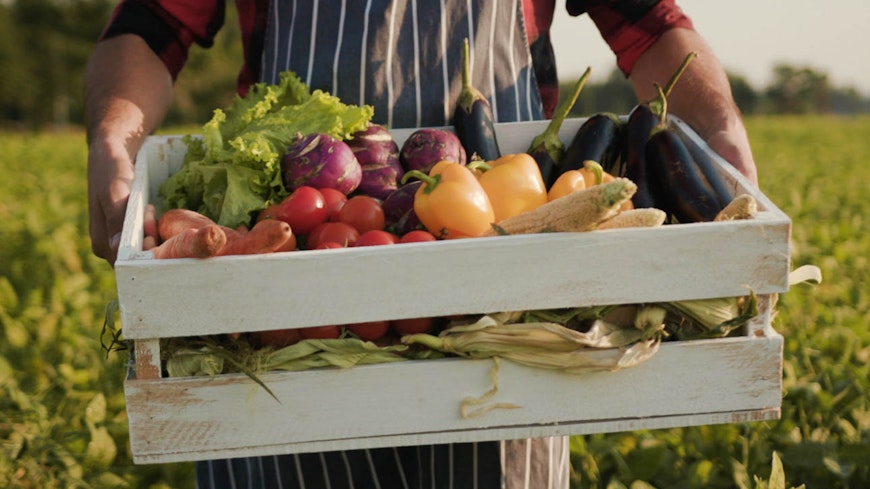
The new legislation will mean most businesses that produce, process, sell or deal in food products described as organic must be approved by the Ministry for Primary Industries and meet a national organic standard.
There will also be fines for deliberately misleading consumers by claiming a product is organic when it is not. Individuals can be fined up to $200,000, and companies up to $600,000.
Consumer NZ has been a long-time supporter of a mandatory organic standard, and the organisation’s research and test writer Belinda Castles said this is good news for consumers who will now have greater certainty about some organic claims.
“Organic products command a price premium but an organic claim doesn’t mean much unless it comes with independent certification. The new laws means consumers will be able to buy organic produce with confidence, which brings us in line with regulations in other countries.”
The national organic standard is still being developed and will cover food, beverages, and plant and animal products. Ms Castles said there is still an issue with other products, such as cosmetics and textiles, carrying organic claims.

Help stop greenwashing in Aotearoa
We need your help to call out dodgy 'green’ claims.
Comments
Was this page helpful?
Related articles

Do your herbs and spices contain arsenic, cadmium or lead?

Is Kathmandu greenwashing? 'Biodegradable' jacket ad pulled after complaint

Forever chemicals: what are PFAS doing to our health and environment?