By Bryan Wall
Product Test Journalist | Kaipūrongo Whakamātautau Hautaonga
Front-loading washing machines sold in New Zealand and Australia will soon be required to incorporate a two-stage start process.
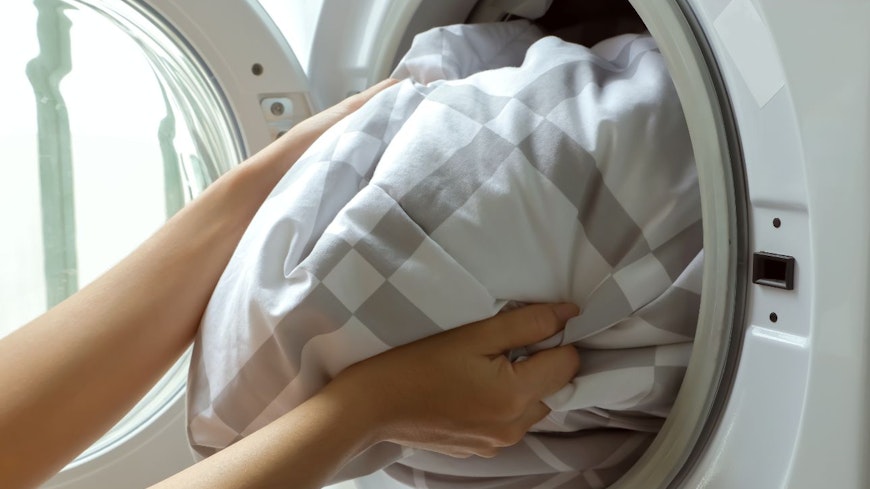
This requirement is part of an amendment to the Australian and New Zealand safety standard for household appliances and is designed to address safety issues around young children.
The amendment was prompted by a tragic event 5 years ago, where a Christchurch toddler climbed into a front-loading washing machine and the cycle restarted when she pulled the door shut. The child later died in hospital.
Similar cases involving child injuries or deaths have been reported overseas.
The current problem and amendment to the standard
Your current washing machine isn’t inherently unsafe.
The issue is that many machines currently in use only require a single button press to start a cycle, meaning accidental starts or restarts are possible.
The amended standard – AS/NZS 60335.2.7:2020 Amd 1:2024 – requires washing machines to use two separate, deliberate actions to start a cycle. Two actions are also required to restart a cycle after the machine’s door has been opened and closed.
How will the change be implemented?
Manufacturers may address the new requirements differently.
Miele told us its new washers require pressing the ‘delay start’ button first to unlock the machine, before the start button can be pressed and a cycle started. If the door is opened, the process resets and these two actions are required again.
When will we see these safer machines in our shops?
Worksafe’s Energy Safety team is responsible for enforcing appliance safety in New Zealand. It says all front-loading washing machines manufactured in, or imported to, New Zealand should comply with the amended standard from 28 June 2026, unless they are from a country (or Australian state) where the regulator has approved an extension. In this case, they must comply from 28 June 2027.
Energy Safety says that older machines that don’t comply with the amended standard are still safe to use. It is also not concerned about older washing machine stock being ‘dumped’ in the New Zealand market; if it identifies instances of significant non-compliance, it will consider further action.
If you’re looking to buy a machine with a two-stage start now, you’ll need to check the manufacturers’ manuals or ask your local retailer which machines have this feature. We’ll also record this information for the models we test, as it becomes available.
How can you keep your older washing machine safe?
Supervision is key, but we can’t watch our children every single minute of the day. Here’s a checklist to keep your little ones safe.
Turn the machine off at the wall when not in use.
Turn off the water to the machine at the tap when not in use.
Use the machine’s built-in child lock to disable the control panel while the machine is in use.
If your washing machine is in a separate room or cupboard, try to keep the door shut.
Consider adding a physical external door lock to stop children climbing inside the machine.
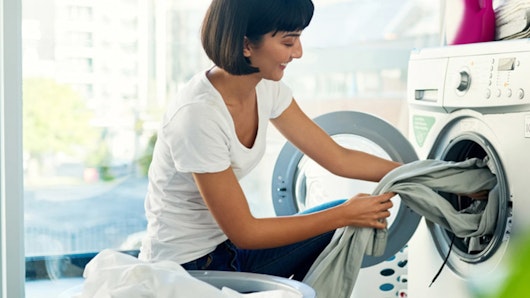
Looking for a new washing machine?
Find the best washing machines in New Zealand with our test reviews for front- and top-loading washing machines from Samsung, Haier and more.