By Belinda Castles
Researcher | Kairangahau
International Lead Poisoning Prevention Week runs from 18 to 24 October 2026. We explain why lead exposure is dangerous, and the most common sources.
Lead exposure – what are the signs?
Lead is a naturally occurring metal that can be found in many places around the home. Dr Matthew Reid, public health medicine specialist at the National Public Health Service, says lead poisoning is a serious public health issue.
“Low amounts of lead exposure does not cause obvious symptoms. However, frequent exposure to even small amounts can be dangerous. The body has difficulty excreting lead and, over time, the metal can build up to toxic levels and harm health.”
Dr Reid says lead exposure can have more severe consequences for unborn babies, breastfeeding infants and young tamariki because it can harm their developing brains. In adults, lead can cause an increased risk of high blood pressure, cardiovascular problems and kidney damage. Very high blood lead levels are linked to brain damage and death.
Lead gets into your body through your mouth or lungs. You either eat or drink it, or breathe it in as dust particles. It then circulates in the body and can be stored in the bones and organs.
Early symptoms of lead poisoning can affect your nervous system and may include mood changes, memory issues and headaches. It can also cause stomach and intestinal symptoms including vomiting, diarrhoea and lack of appetite.
If you think you or a family member has been exposed to lead, ask your healthcare provider for a blood test.
What are the main sources of lead?
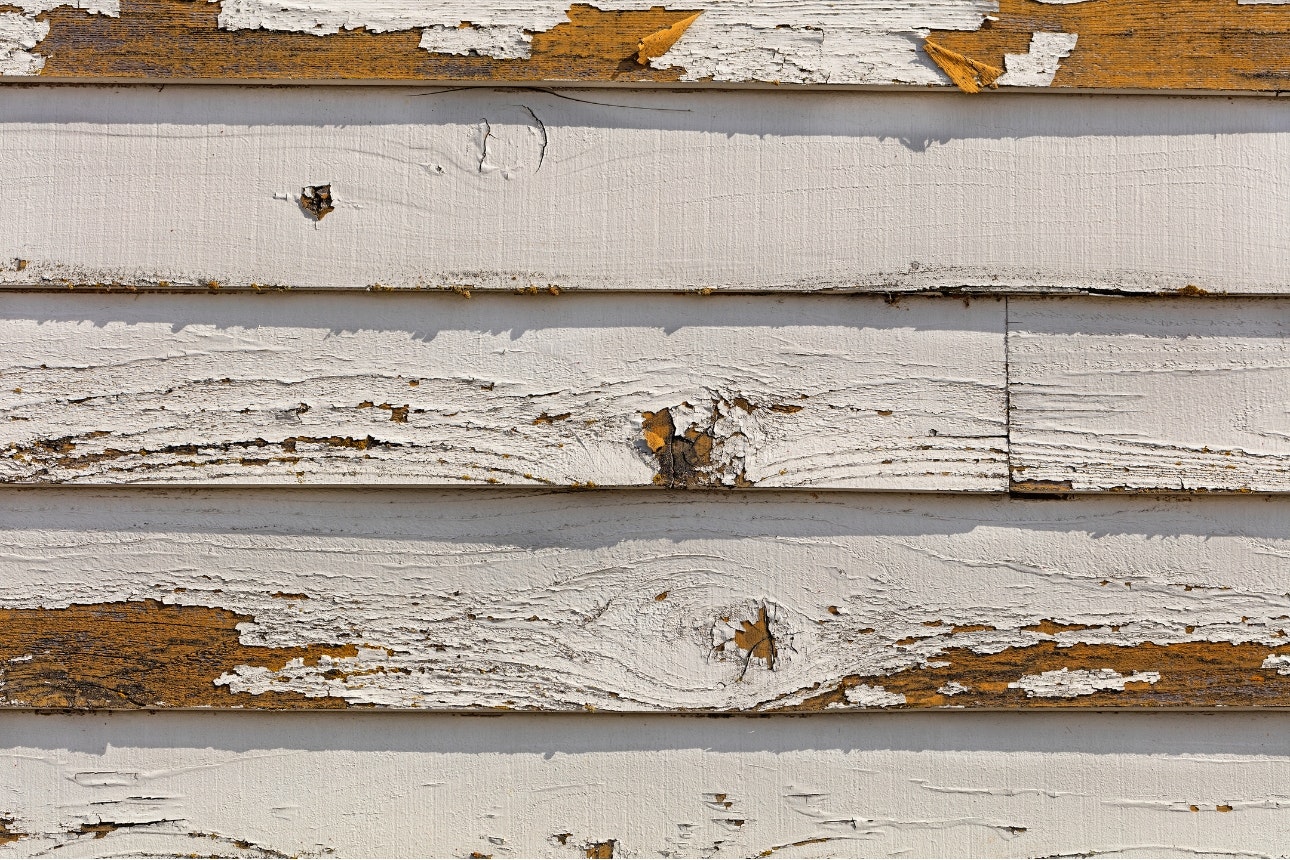
Dr Reid says the most common non-occupational source of exposure to lead in New Zealand is lead-based paint in older houses. People can be exposed to lead as paint deteriorates or during renovations that involve sanding painted surfaces.
“Paint on old cots or old toys, such as rocking horses or blocks could also be lead-based. Children may chew on lead-painted items because lead paint tastes sweet.”
It’s impossible to tell if a paint contains lead simply by looking at it. However, if a building dates back to the 1980s or earlier, you should presume it’s been painted with lead-based paint. Even if your house has been painted recently, it may have layers of old lead-based paint underneath.

Is lead lurking in your home?
Lead poisoning is a serious public health issue. We investigate where it might be hiding in your home, including in cosmetics and cheap tapware.
If you’re unsure, you can test paint for lead using a lead paint test kit (available at paint stores) before disturbing it.
It’s usually OK to leave lead-based paint if:
the paint is in good condition and not chipping, flaking or peeling
the paint is not on surfaces that rub or grind together, such as sliding windowsills or doors
it has been safely painted over with non-lead paint or sealed behind wallpaper or panelling in good condition.
You should remove lead-based paint:
if there’s any wear and tear of the painted surface, including chipping, flaking or peeling
before starting renovations that will disturb the painted surface
on areas subject to a lot of friction, including windowsills that slide, doors that slam and stairways with a lot of foot traffic.
There are several ways to remove lead-based paint safely. Wet sanding is the preferred method, as it reduces the amount of dust produced. Health NZ recommends using professional painters where possible. Read our top tips for removing lead paint safely.
Health New Zealand Te Whatu Ora says other non-occupational sources of lead exposure include traditional medicines such as some Ayurvedic products, lead dust generated when bullets are fired at indoor rifle ranges, and the home manufacture of lead-based sinkers or bullets.
Consumer NZ has tested a range of products for lead contamination, including lipsticks and bronzers, imported tapware and dark chocolate.
None of the eight dark chocolate bars we tested in 2024 had lead levels high enough to worry about.
The tap we bought from Amazon in 2025 resulted in water with lead levels higher than the New Zealand standard.
In 2025 we found lead in 10 lipsticks and all the bronzers we tested, but none had levels high enough to cause concern.

Subscribe to our newsletters
Get even more Consumer NZ news and invitations to share your voice on important issues straight to your inbox. You don’t have to be a member to have these newsletters emailed to you regularly.