By Nick Gelling
Product Test Journalist | Kaipūrongo Whakamātautau Hautaonga
One in six New Zealanders are deaf or hard of hearing. Hearing aids can help. Find out what you should think about when getting a hearing test and buying hearing aids.
On this page
- Hearing aid prices
- Getting a hearing test
- Which hearing clinic should I choose?
- What information should my hearing clinic give me?
- Can I get a hearing test online?
- Choosing the right hearing aid
- What type of hearing aid should I choose?
- What will my hearing aid include?
- Which extra features should I look for?
- Are over-the-counter hearing aids a good choice?
- Can I try out a hearing aid before buying it?
- Problems with hearing aids
- Will my insurance cover lost or stolen hearing aids?
- What are my rights when buying a hearing aid?
Hearing aid prices
Getting a hearing test
Hearing plays a crucial role in your overall wellbeing and quality of life, especially as you age. As well as communication, hearing loss can affect your sleep, balance and social confidence.
If you think you might need a hearing aid, the first step is to get a hearing check. Most hearing clinics offer a basic hearing check for free, which will determine whether you have hearing loss.
If this check does detect hearing loss, you will then need to pay for a full diagnostic test to clinically assess your hearing health and communication ability.
Which hearing clinic should I choose?
What information should my hearing clinic give me?
Hearing clinics need to be upfront with you about costs.
If you’re applying for the government subsidy, before you trial or buy a hearing aid, the clinic must give you:
the retail cost of the hearing aid
the amount of the subsidy
an itemised list of charges you’ll have to pay
a quote for the total amount payable.
You’re also entitled to a copy of your test results so you can shop around.
If you want to keep costs down, make this clear to the clinic. Ask to be shown cheaper options if you think the aid recommended is too pricey or has features you don’t need.
Your audiologist must recommend the most appropriate and cost-effective hearing aids to meet your needs.
We recommend you ask your audiologist to disclose if they receive any commissions or sales incentives.
This is also a good time to ask about ongoing costs. Some clinics charge for follow-up appointments – for example, if you need to get your aid adjusted a year after fitting – while other provide ongoing support for free.
Can I get a hearing test online?
Telehealth or virtual appointments are more convenient than ever in our post-COVID world. But are they as good as an in-person visit?
Our verdict is: it depends.
We recommend going into the clinic for fittings, rather than relying on tele-audiology. However, tele-audiology and mobile clinics can be helpful for people who live far away from their nearest physical clinic. If you think tele-audiology might be right for you, check if your clinic offers the service.
Choosing the right hearing aid
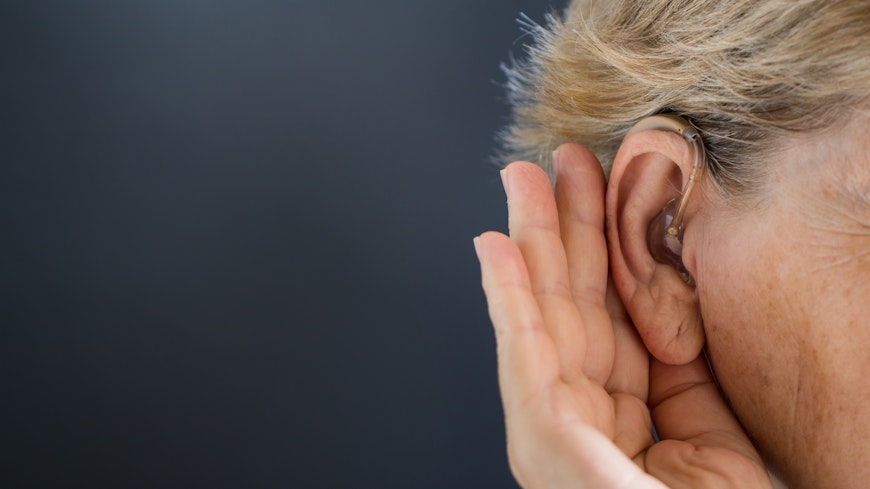
Modern hearing aids are a far cry from the bulky aids of old. They’re more discreet and can even be colour matched to blend in with your hair or skin colouring. What will suit you depends on:
your hearing loss
your day-to-day life
how discreet you want your aids to be
the size of your ear canal
how fiddly the aids are to look after.
Part of your initial needs assessment will involve your audiologist determining which hearing aid type is acoustically, audiologically and physically most appropriate for you. You’ll normally be shown different styles and models of aids, and unless the clinic is owned by a particular manufacturer, a variety of makes.
What type of hearing aid should I choose?
What will my hearing aid include?
Which extra features should I look for?
Are over-the-counter hearing aids a good choice?
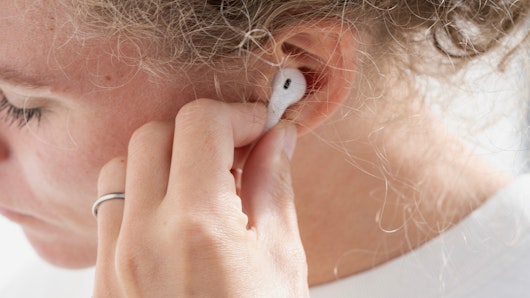
Can I use my Apple AirPods as hearing aids?
Apple claims its AirPods Pro earbuds can provide clinical grade hearing assistance.
We dug into how they work, their safety and whether they’re really cheaper.