By Belinda Castles
Researcher | Kairangahau
Choosing curtains or blinds isn’t just about style. The right window coverings can make your home warmer, drier and healthier. They can also help keep your power bills down.
Find out which ones retain the most heat and how to make your curtains or blinds more effective.
Why is this free?
This report is free thanks to funding from the Ministry of Health.
Consumer NZ is non-profit. To help us get a fairer deal for all New Zealand consumers you can become a Consumer member or make a donation. We’ll use your contribution to investigate consumer issues and work for positive change.
A good fit, the right fabric and a few lower-cost upgrades can make all the difference.
What we found:
Heavy-lined curtains retained more heat than thermal-backed ones. Floor-length curtains are better than ones that stop at the windowsill.
Honeycomb blinds retained more heat than other blinds we tested. Their cellular structure traps still air between the room and the cold glass.
A close fit to the window matters as much as the fabric, because gaps let cold air circulate.
Secondary glazing is a good low-cost option. But it has some ease-of-use drawbacks.
The results shown in this article are from testing conducted in 2019. If we were to undertake the same testing, we don’t expect we’d find any significant change in results.
Health New Zealand | Te Whatu Ora funded this article and our previous testing as part of its ongoing efforts to raise awareness about the importance of living in a warmer, healthier home.
Why do you need curtains or blinds?
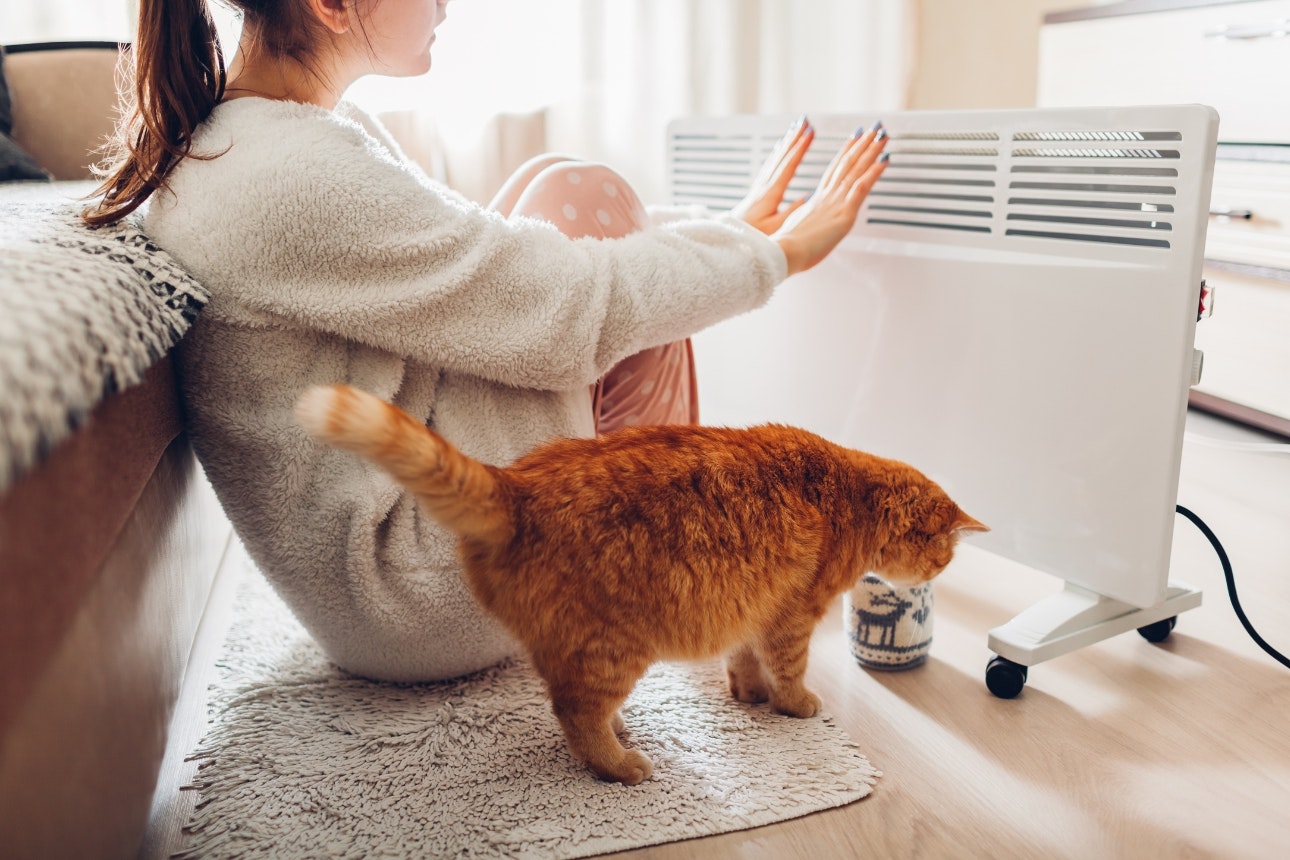
When warm air hits cold glass, two things happen: the warm air escapes and the newly cooled air forms condensation on the windowpane.
That means windows are a major source of heat loss. If you have an insulated house, 45% or more of your lost heat escapes through your windows. (This drops to 30% if your house isn’t insulated, because it’s easier for heat to escape through the walls, ceilings and floors.)
The best way of dealing with this is by keeping warm air away from the window with curtains or blinds, which create a pocket of air between the window and the window covering.
Which curtains are best?
In our testing, we found:
Heavy-lined curtains retained more heat than thermal-backed curtains. The extra layer of fabric in the lined curtains made them better at keeping the warm air in.
Floor-length curtains retained more heat than sill-length curtains.
Net curtains were the worst-performing option, but better than a bare window.
Our test measured the heat loss though an aluminium-framed single-glazed window fitted with different window coverings. Conditions in the lab were set to simulate a chilly winter night (4℃), with an electric heater operating to maintain a temperature of 20℃. The thermal curtains had a plastic coating bonded to the fabric.
Why curtain fit matters
Cool air is denser than warm air, so it sinks. On a cold day, air inside the room cools when it comes into contact with the windowpane. As that cooler air sinks, warmer air from the room moves in to replace it, creating a circulating current that can make the room feel colder.
Poorly fitted curtains that aren’t sealed at the top or bottom to stop these air currents circulating can make the situation worse. This forms a channel between the window and the curtain, allowing cooled air to flow continuously and chill the room faster.
To reduce this effect, curtains should:
fit closely around the window frame
be wide enough to cover the sides of the frame
sit close to the top of the ceiling
reach the floor, with a slight puddle of fabric at the bottom to help block airflow.
This effect is generally more significant with curtains than blinds, because of the way curtains crate a continuous air current.
Which blinds are best?
In our testing, we found:

Honeycomb blinds
Honeycomb blinds retained the most heat. They also performed better than the curtains we tested. This is because the honeycomb structure creates a large, still air gap between the cold windowpane and the warm inside air. Honeycomb blinds also fit closer to the sides of the window frame than the other blinds we tested, which helps reduce heat loss and air movement around the edges.
Roman blinds were the next best option. These blinds closely fit over the window frame and create a good seal to help reduce heat loss.
Wooden venetian blinds performed better than aluminium ones. Closing the slats rather than leaving them open also made a difference.
Blinds were installed within the window frame (with the exception of the Roman blinds) so there was no gap like the one between the back of the curtain and window frame.
How does secondary glazing compare?
Installing double glazing will make a big difference to your house but, unfortunately, also to your bank account. If you want the effect without the big bill, consider secondary glazing.
As part of our curtains and blinds test, we also tested two types of secondary glazing: a 3M Window Insulator Kit and acrylic magnetic double glazing. Both did a better job keeping the heat in than the curtains we tested.
The 3M product is available at most hardware stores and installation is easy. However, once it’s on you can’t take it off without destroying the sheet, you can’t clean or open the window, and if condensation forms on the windowpane you can’t wipe it off.
The magnetic product doesn’t have these drawbacks, as you can take it down whenever you want. However, it needs to be custom-made, costs more and doesn’t perform as well.
If you’re not worried about how your windows look, there’s an even cheaper way. Use an adhesive putty or double-sided tape to stick bubble wrap to the window, to help stop heat escaping in winter.
Two free hacks to keep the heat in
Pelmets – a framework placed above a window to hide the curtain fixtures – can help block airflow over the top of the curtains. But our testing found you can achieve better results with two free hacks.
A rolled towel on top of a curtain rail can act like a makeshift pelmet by reducing the gap above the curtain. Pinning an extra fleece layer behind a curtain also improved warmth.
Should you replace what you have?
If you already have decent curtains or blinds, start by improving the fit:
close gaps
add lining if practical
use a pelmet or towel at the top.
If you’re replacing window coverings, honeycomb blinds are the best option for heat retention. If you prefer curtains, choose heavy lined ones that reach the floor and are wide enough to cover the whole window frame.
How much money can you save?
We ran the numbers, based on our testing, to calculate what you’d save by fitting different window coverings over the winter. These savings represent the difference between a bare and covered 1.8m2 window. Savings are for 3 months, assuming an electric heater is used for 6 hours each night, at the standard price of 32c/kWh.
The honeycomb blind saved the most – more than $12.50 off your power bill over 3 months. This isn’t a big saving, especially compared to the cost of installing them. However, the bigger savings aren’t necessarily monetary – you’d gain the benefits from living in a warmer and more comfortable home.
How to get the most from curtains and blinds
Open curtains every morning to make the most of the sun’s heat. Close them at sundown to keep in the heat.
The reverse works for keeping the house cool in summer. Keeping the curtains or blinds closed with the sun on them helps to stop your house from overheating.
Fix any draughts in the windows. You can detect them with a lit candle – hold it up to the edges of the windows and see whether the flame moves.
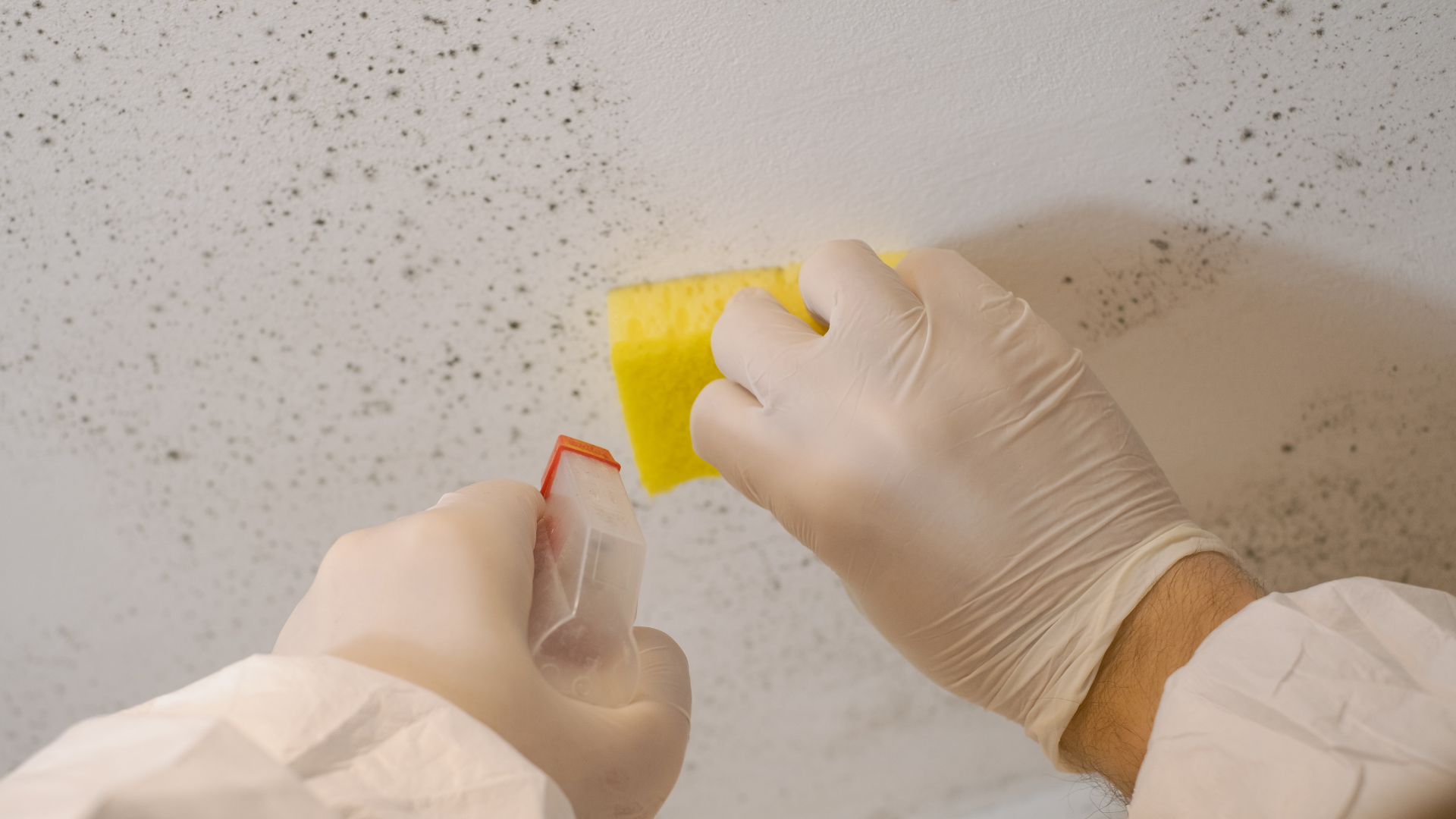
Wipe off any condensation that forms on the windows behind the curtains or blinds. This helps stop mould growing.
Open your windows for 10 to 15 minutes each morning to get rid of damp, stale air.
If you’re renting, check out our advice about curtains for renters. As well as helpful tips, it gives you advice about low-cost curtain options, including curtain banks.