By Belinda Castles
Researcher | Kairangahau
We have a mould problem in Aotearoa. In our latest Sentiment Tracker survey, 31% of respondents agreed or strongly agreed dampness or mould was a problem in their homes. Find out how to stop mould growing in your home and some tips for removing it.
Mould is a type of fungus that grows in damp areas. It usually appears as a coloured growth (green, grey, brown, black, white or red) or stains on walls, ceilings and other surfaces. Once you see mould, you need to deal with it quickly to make sure it doesn’t continue to grow and spread.
Some species are toxic, such as Stachybotrys chartarum. (This is commonly known as “black mould”, but not all black-coloured mould is this species.)
Other mould species can trigger allergic reactions or set off asthma symptoms. This is because mould produces thousands of tiny spores that float in the air and can be inhaled. People with weak immune systems or people suffering from asthma or a respiratory problem are particularly at risk.
How do you prevent mould growing in the first place?
Mould needs moisture to grow, and New Zealand’s relatively humid climate means our homes are the perfect breeding ground.
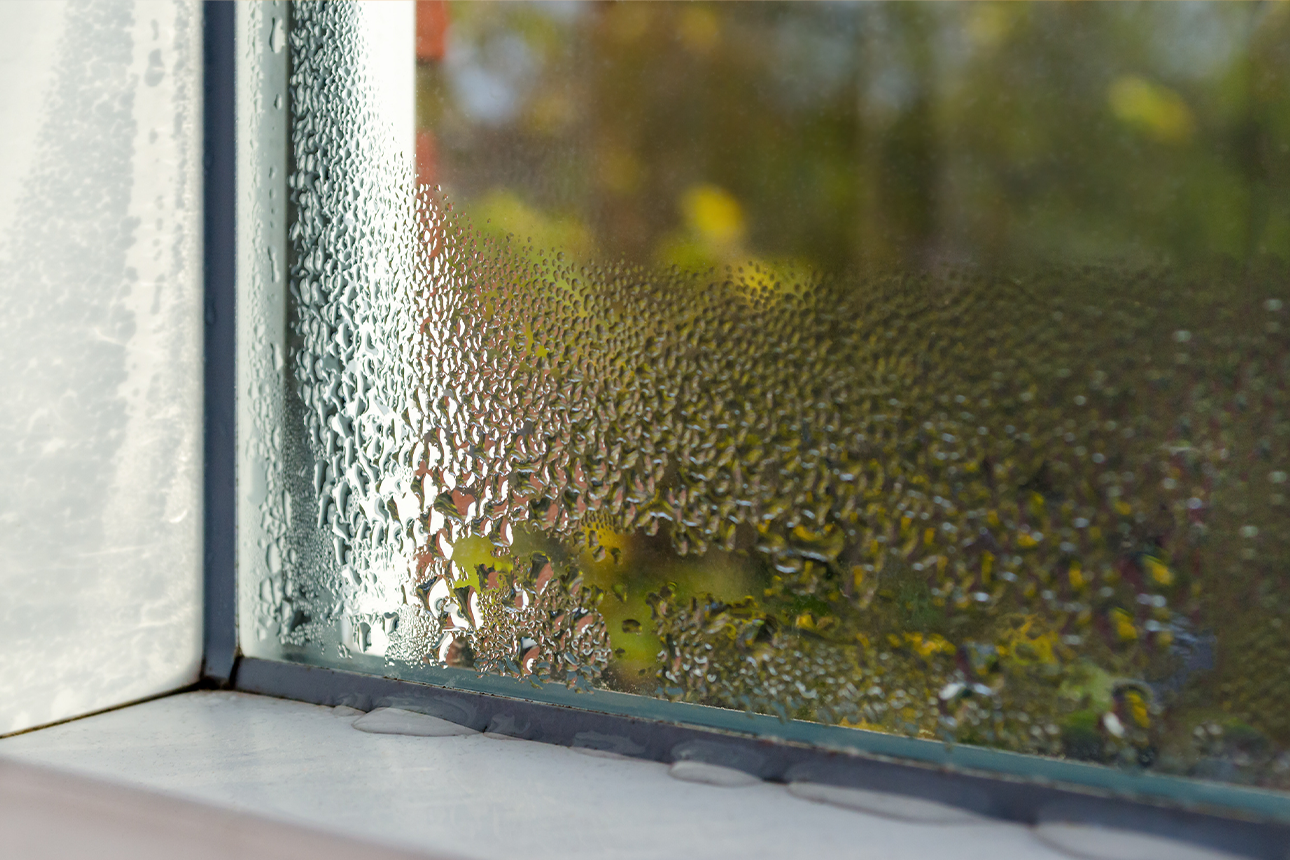
In winter, when the air cools, it condenses and loses its ability to hold as much water. This leads to condensation forming on surfaces like cold windows, windowsills, walls and ceilings.
Mould is most likely to grow when warm, moist air (for example, from showers and cooking) meets cold surfaces, causing the condensation.
You might be surprised how much moisture you’re creating as you go about your day.
Clothes drying: 5L per load
Cooking: 3L per day
Clothes washing: 0.5L per day
Washing dishes: 1L per day
Showers and baths: 1.5L per day per person
Breathing: 0.2L per hour per person
If you’re renting, talk to your landlord about any mould issues. If you think the mould, cold and damp in your home is affecting your health, you may be eligible for a healthy homes assessment.
Whether you own your home or rent, these tips will help keep moisture away.
Remove water sources
Dry washing outside or in a garage or carport rather than inside on a clothes horse. If you have a vented clothes dryer make sure it is vented to the outside.
Wipe off any water that has collected on the walls and on the inside of windows. You can consider buying a scoopy which collects condensation from surfaces
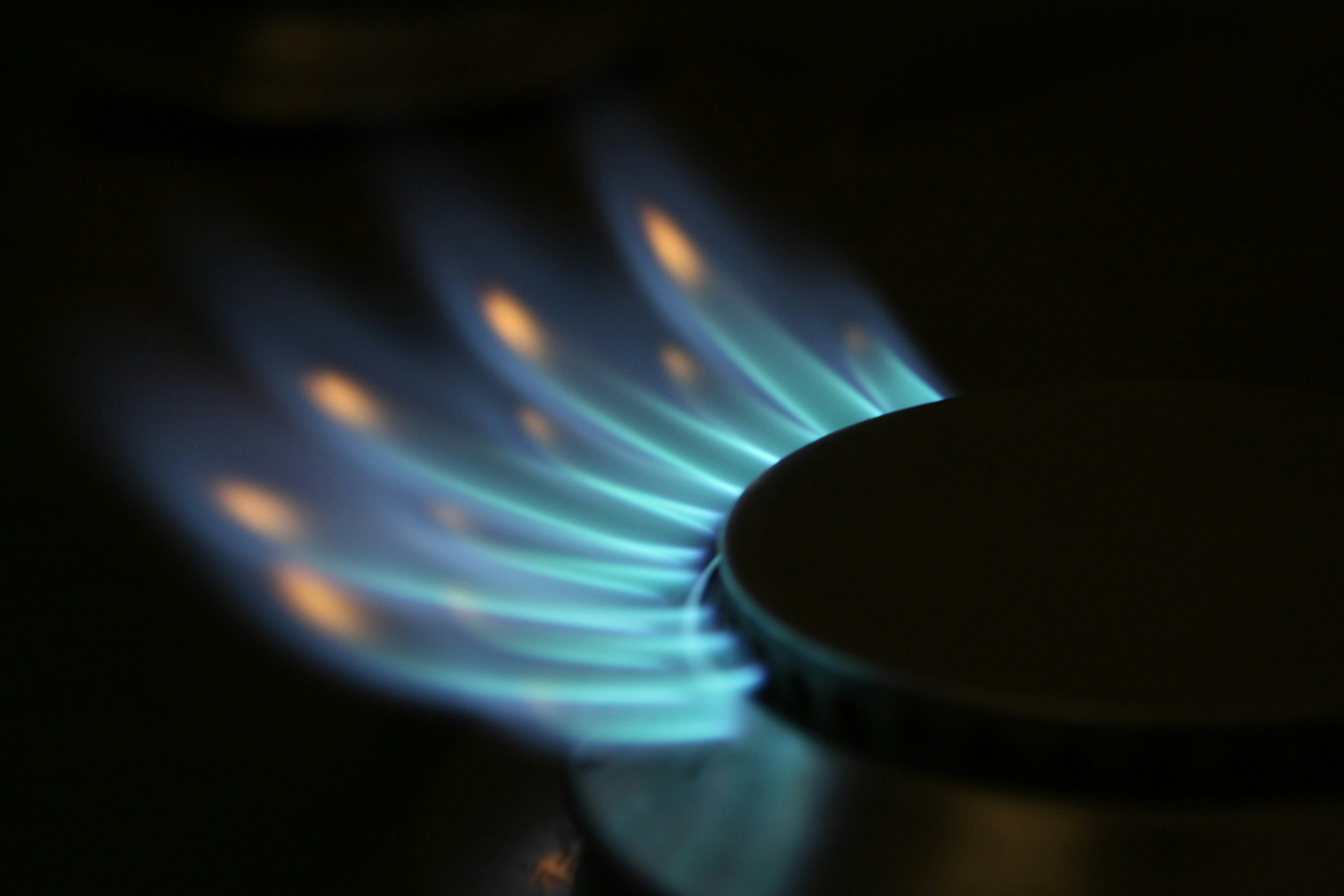
Don’t use portable unflued gas heaters indoors. They make the air damp and fill the air with dangerous gases.
Deal with water leaks, clean up spills, and mop up condensation as it forms. Wipe any moisture or drips off your windows and walls.
When cooking, use your rangehood or extractor fan or open the windows. Use lids on pots to avoid steam escaping.
Consider a professionally installed shower dome over the top of a shower. It will turn steam into condensation and send it down the drain. Alternatively, an efficient extractor fan will help remove steam from the house.
Remove excess moisture from the air with a dehumidifier, or if you have a heat pump, see if it has dry mode. Find the best dehumidifier for your home with our buying guide and test results.
Install a vapour barrier under the house to stop moisture coming up from underneath. You may be eligible for a grant under The Warmer Kiwi Homes programme. The programme covers 50-90% of the costs to purchase and install approved insulation (and up to 90% of the cost of an approved heater). To check if you’re eligible call 0800 749 782 or visit warmerkiwihomes.govt.nz
Ventilate your rooms
Use an extractor fan when cooking or showering (and leave on for approximately 10 minutes after using).
Open windows for 10–15 minutes each morning to bring in dry, fresh air.
If you have a mechanical home ventilation system (like an HRV or DVS), make sure it’s on and well maintained.
Keep beds and furniture away from walls, leaving a gap so air can circulate freely.
Keep wardrobe doors slightly open.
Avoid putting mattresses directly on the floor.
Keep your home warm
Warmer air holds more moisture, so it’s harder for condensation to form.
Curtains and blinds prevent heat from escaping through windows. Open curtains during the day to let warmth in and close them just before dark to keep the heat in. We’ve tested which curtains and blinds are best.
Draughts let heat out of your home. Seal up gaps and tighten screws around windows, doors and cat flaps. You can make your own draught stopper by rolling up a towel.
Use window film kits to fake double glazing. These are inexpensive DIY window insulator kits you can buy from your local hardware store that are easy to install. If you’re not worried about how it looks, there’s an even cheaper way. Use an adhesive putty or double-sided tape to stick bubble wrap to the window to help stop heat escaping.
Use the right heater in the right room. Most plug-in heaters cost the same to run, but some are better suited to certain rooms. Find out the best and most economical types of heater for each room of your home.
How to get rid of mould
The most common places to find mould are around window frames, on bathroom ceilings, on the backs of curtains, behind furniture and inside cupboards where air does not circulate well.
Here are our tips for dealing with it.
Check the surface first before cleaning mould
Non-porous surfaces, such as plastic, should be relatively easy to clean.
Super-porous surfaces, like clothing, furniture, wicker baskets or cardboard, are trickier. It’s likely the mould won’t be able to be completely removed and the item may need to be thrown out.
Removing mould in grout and silicone is also difficult. Once the mould gets in, it’s almost impossible to remove, because you can’t get deep into where the mould has grown roots, known as mycelium. In these cases, you might have to replace the silicone or re-grout your bathroom.
Large patches of mould found behind walls should be tested to see if it’s Stachybotrys chartarum (black mould). If you suspect it might be black mould, it’s best to call in a professional mould removal service to deal with it.
Keep yourself safe before removing mould
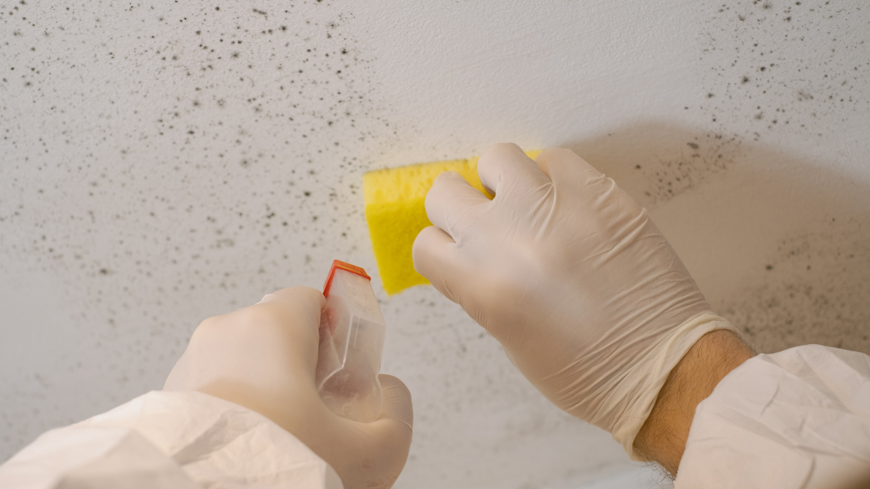
Before removing mould, make sure the area you’re working in is well-ventilated and wear protective clothing such as disposable gloves, eye protection and a well-fitted face mask. A P2, N95 or respirator mask is best.
Don’t dry-brush mould, because it can release spores into the air. Also, even though the mould may be ‘dead’, it can still cause allergies.
Clean small patches of mould
According to a report published by PHF Science in 2019, the evidence about the best way to remove mould is inconsistent.
For small patches on non-porous surfaces, DIY options include:
soapy water or
diluted bleach (1 part bleach to 4 parts water) or
diluted vinegar (9 parts vinegar to 1 part water).
Warning: Never mix bleach and vinegar together – it creates toxic chlorine gas.
Do a patch test on a smaller area first, then use a cloth to gently wipe away the mould. Dry the area well after cleaning. It’s best to throw away any cloths used to clean mould.
Commercially available “mould-killing” products usually contain bleach (often listed as sodium hypochlorite) as an active ingredient, but the actual bleach concentration is quite low – often 5% or less.
Health New Zealand | Te Whatu Ora funded this article as part of its ongoing efforts to raise awareness about the importance of living in a warmer, healthier home.

Your rights when renting
We outline your landlords responsibilities and obligations under the Residential Tenancies Act.