By Bryan Wall
Product Test Journalist | Kaipūrongo Whakamātautau Hautaonga
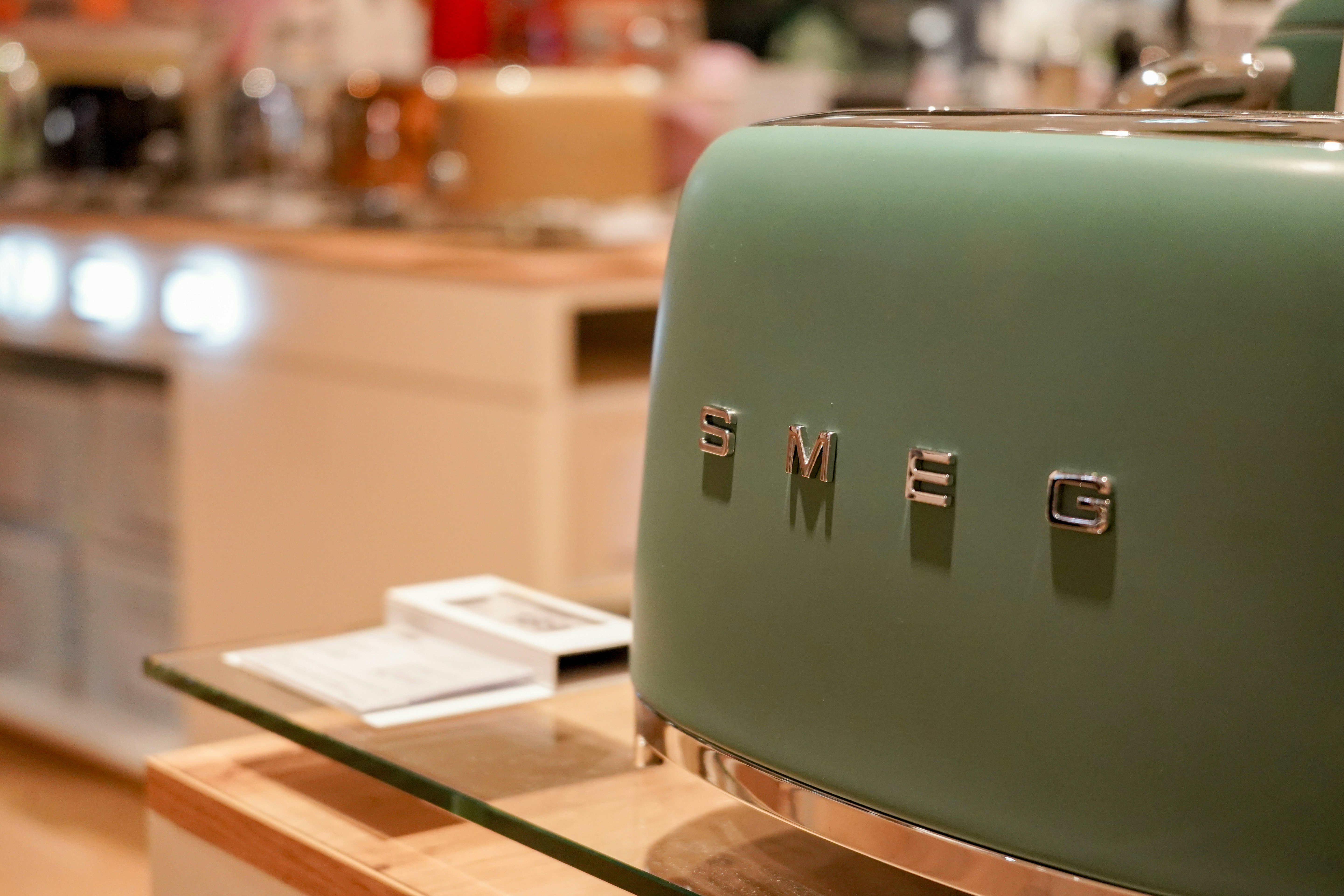
Italian manufacturer Smeg has recently re-entered the New Zealand market. Fans of Smeg appliances will be excited to hear this now includes its retro-style fridges, loved by, amongst others, celebrity chef Jamie Oliver.
But Smeg style comes at a price – does $6,000 get you a fridge that performs as well as it brightens up your kitchen?
What’s so cool about Smeg fridges?
They’ve an iconic 1950s-style design, with soft, rounded edges, retro chrome door handles and a range of vibrant colours that really make a statement. You can even get $13,000 Dolce & Gabbana editions, if you feel $6,000 is too little to spend.
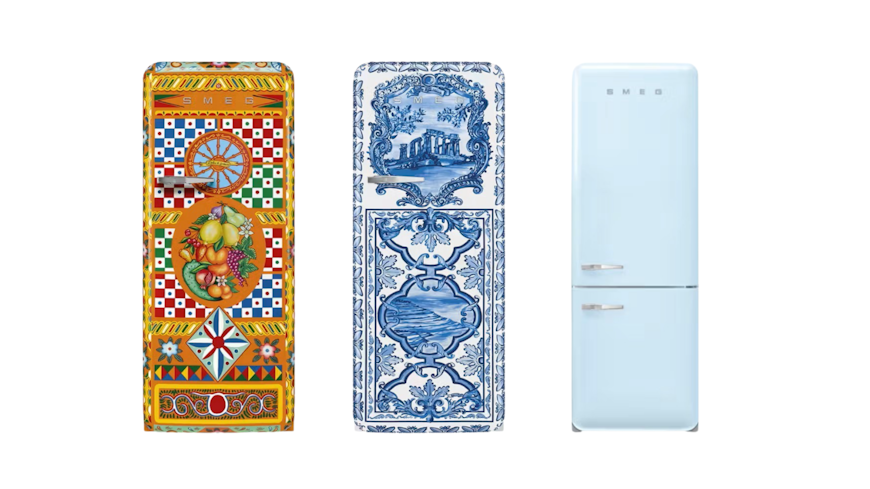
The $13,000 Dolce & Gabbana editions (left and centre) and the standard $6,000 Smeg fridge-freezer (right).
Why do they cost so much?
The average cost of all the other small-capacity fridges in our current test is around $1,350. Why is the Smeg over $4,500 more expensive? Sure, the Smeg may be built of higher-quality materials, but a lot of the extra cost comes down to the design and paying for the brand name. Good design costs money, but does it mean good performance too?
How did the Smeg fridge perform in our tests?
The biggest shock from our results
How reliable are Smeg fridges?
Best cheap alternative to a Smeg fridge
Most reliable fridge brands
How we test fridges
Temperature stability
We measure how much the temperature inside the fridge fluctuates as the compressor starts and stops.
Temperature evenness
We measure how even the temperature is throughout each compartment.
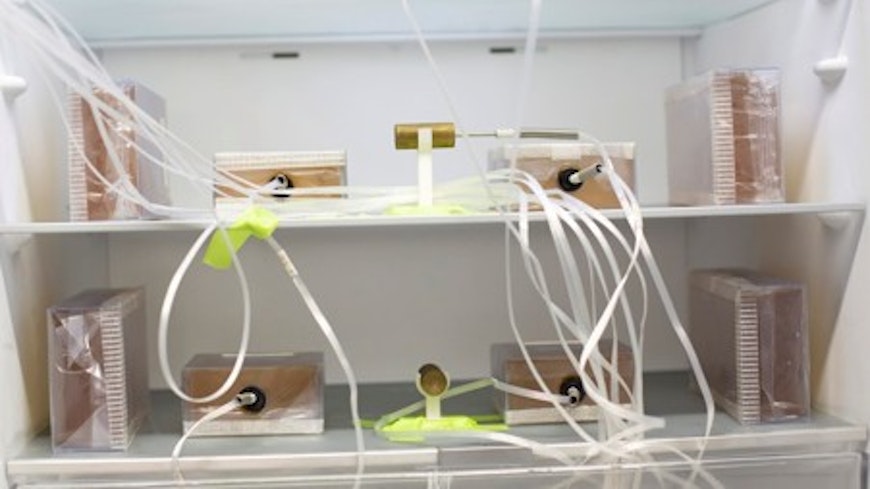
Testing temperature evenness with multiple sensors.
Room temperature change response
We test how well the appliance deals with changing room temperatures. This is performed in a temperature-controlled room, and we adjust the temperatures to simulate winter and summer conditions while monitoring the temperature inside the fridge.
Food cooling efficiency
All models reviewed undergo a heat load test. We measure the time it takes for the fridge to cool a warm load (representative of a warm plate of food) and for the fridge to return to an even state (even temperatures). We also measure how much energy the fridge uses during the test to get an indication of how efficient it is.