By Bryan Wall
Product Test Journalist | Kaipūrongo Whakamātautau Hautaonga
Cleaning your front-loading washing machine is vital to maximising its lifespan and minimising costly repairs. It can also prevent the machine from becoming smelly and damaging your clothes. A few simple regular tasks are all it takes.
How often should I clean my washing machine?
Use this simple routine to keep your front loader fresh and working properly.
Every wash
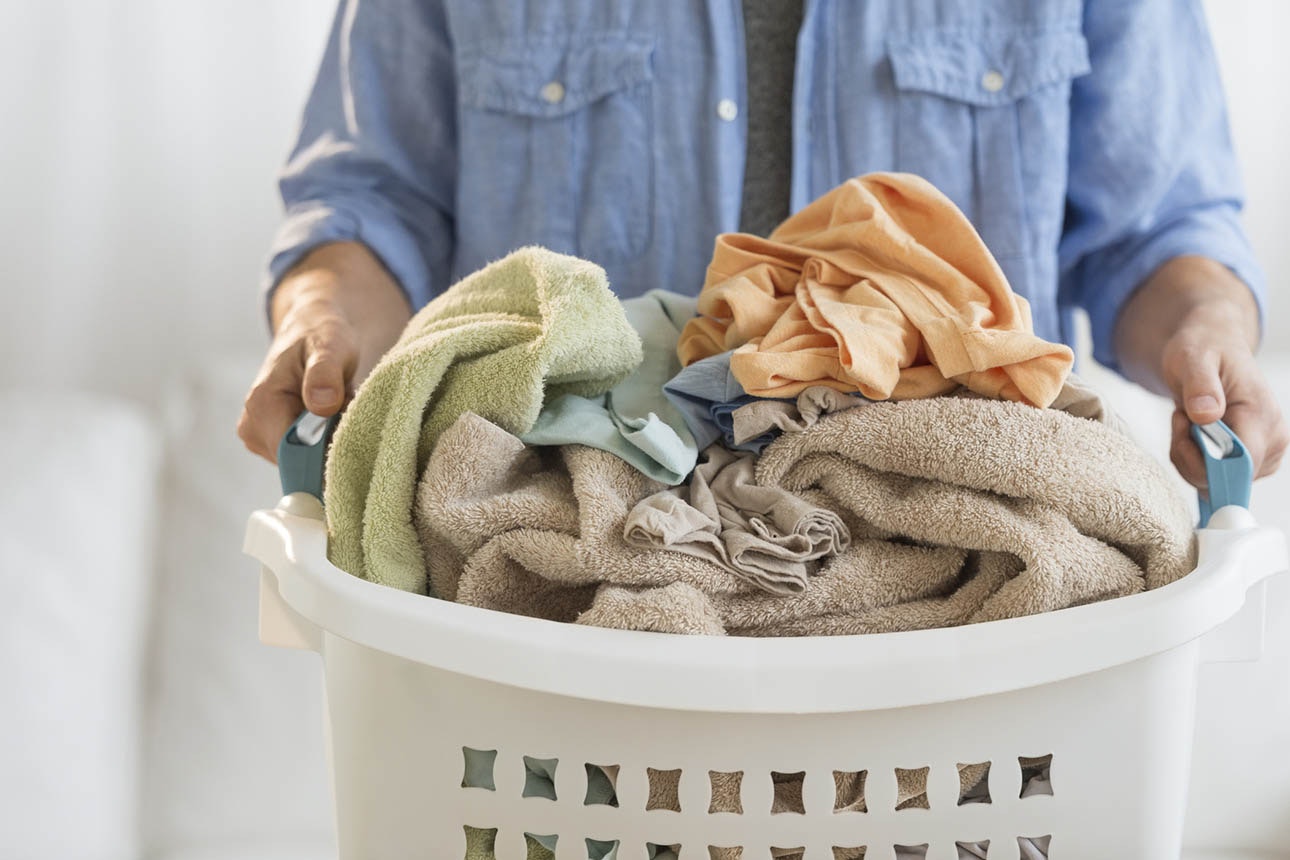
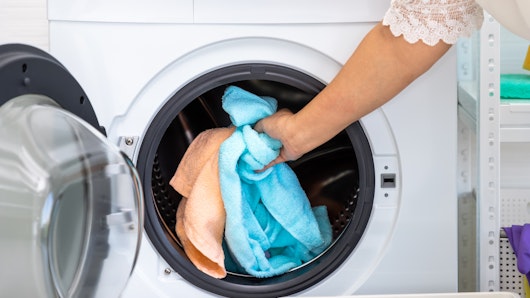
Check all garment pockets for items such as coins or hairclips that can block pumps and stop your machine draining properly.
Use the right amount of detergent for the load: too much can leave residue behind.
When the wash has finished, wipe the door seal dry with a cloth to prevent mould growth.
Leave the door open after a wash so the drum and door seal can dry properly.
Looking for a new washing machine?
Find the best washing machines in New Zealand with our test reviews for front- and top-loading washing machines from Samsung, Haier and more.
Once a month
Run a drum clean cycle or, if your machine doesn’t have one, run an empty hot wash (over 50°C).
Clean the detergent drawer, especially if it’s getting gunked up with detergent residue.
Every 2–3 months
Check and clean the drain pump filter. It’s usually behind the small hatch at the bottom front of the machine. Your manual will show you how, but it usually involves opening the flap, draining the excess water then unscrewing and cleaning the filter.
Every 6 months
Clean the inlet filter. Turn off the water and unscrew the water supply hose at the back of the machine. Inspect the little mesh basket and clean it if needed.
Consider running a drum-cleaner product like Ceraclen through the machine (see below) if you want extra peace of mind, especially if you regularly wash at low temperatures.
For more guidance, watch our video on cleaning your washing machine.
Why does my washing machine smell bad?
Don’t worry, it’s not your clothes that are the problem – although if you don’t address the smell, they could start to smell too. With the arrival of more effective low-temperature washing powders and liquids, many washes are now done at 40°C or lower. This is better for energy consumption, but it can make it harder to keep the drum and other wet areas inside the machine clean. If you’re not doing regular hot (over 50°C) washes or drum clean cycles, mould and bacteria can grow, causing unhygienic washes and nasty odours.
Should I use a drum cleaner?
You can buy a drum cleaner such as Ceraclen washing machine cleaner from supermarkets for less than $10. This can help stop the build-up of limescale, mould and other residues. You’ll likely not need it if you stick to the basic maintenance tasks in this article. But for peace of mind, you can run it through your machine every 6 months, especially considering it’s so cheap.
When should I get a professional involved?
With luck, you won’t need to engage a professional if you clean your front-loading washing machine regularly. Pros don’t have magical cleaning wands – they simply perform the steps we’ve mentioned, but they’ll charge you a call-out fee of around $100. If there are other issues with your machine that can’t be fixed by cleaning, such as odd noises or error messages, it would be wise to get a professional service technician in.
Is it time to replace my washing machine?
Modern machines should last at least 10 years – most brushless motors are now warrantied for at least that long. If your door seal is torn or mouldy, it is relatively easy to replace it yourself: a new one costs around $100. For other failures, you’ll need an expert to diagnose the problem and give you a quote. If the bearings or suspension on your old machine need replacement, or the main control board has failed, it may not be cost effective to repair. Check the repairability score for washing machines in our test reviews before you buy a new machine, to make sure you are getting one that can be fixed in the future.