By Kate Harvey
Writer | Kaituhi
It’s been raining all week, the washing line isn’t an option, and your laundry hamper is overflowing. You’ve got two options: re-wear yesterday’s stinky socks or dry your clothes indoors.
But what’s the best way to get clothes dry quickly and cheaply? We trialled all your options and found a clear winner.
THE WINNER: Vented clothes dryer
Putting a load of laundry through the dryer is a surprisingly cheap option, as well as being the most convenient.

Pros
Cheap upfront purchase cost: The vented dryers that get our Recommended tick only cost around $600. Drying a load in one of these costs about $1 – so it’s not going to push your power bill up too much.
Doesn’t create dampness and mould: Unlike hanging wet clothing indoors, a vented dryer won’t add moisture to the air – on the proviso you’ve actually vented it (see our Cons list).
Fast turnarounds: A vented dryer is ideal for families dealing with high laundry volumes.
Cons
Higher running costs: A vented dryer uses more power per load than a heat-pump dryer or dehumidifier set-up (see below).
Requires external venting: These dryers must be ducted outside. Unvented models will dump moisture straight back into your room if you don’t do this.
Harder on fabrics: High heat can shrink or wear down delicate items over time.
We’ve tested heat-pump, condenser and vented clothes dryers. Find the most efficient, easiest to use and fastest by checking out our test results.
THE RUNNER-UP: Clothes horse with dehumidifier
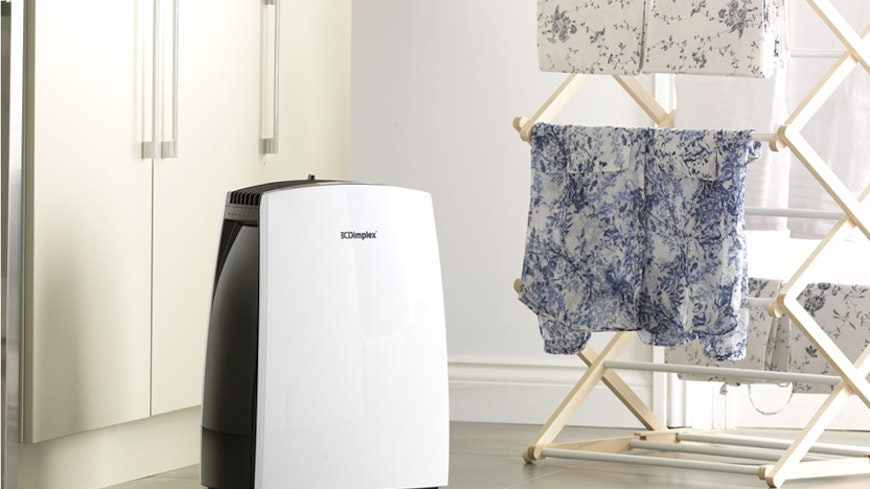
Pairing a clothes rack with a dehumidifier in a small, closed room is the best choice if you don’t have a dryer.
Pros
Probably cheaper than you think: This option still involves buying an appliance: the dehumidifier. There are pricey ones out there, but one of our Recommended models costs under $450. Running this one for eight hours costs $1.69 – but you probably won’t need to run it for that long. In our trial, we had one running beside a clothes horse, and it only took five hours to dry the load. (However, we did have it on “laundry” mode, which could push the running cost up a little.)
Controls moisture: A dehumidifier extracts water directly out of the air before it settles into walls and carpets.
Adds warmth: Dehumidifiers emit gentle ambient heat while running, helping dry clothes faster.
Cons
Slower process: Some heavy items like towels and jeans might need a bit longer to get fully dry using this method.
Can be noisy: You probably wouldn’t want to work or watch TV beside a running dehumidifier.
Which dehumidifiers score best for water removal, energy efficiency and quietness? Find out by checking out our test results.
THE ALSO-RAN: Heat-pump clothes dryer
Pros
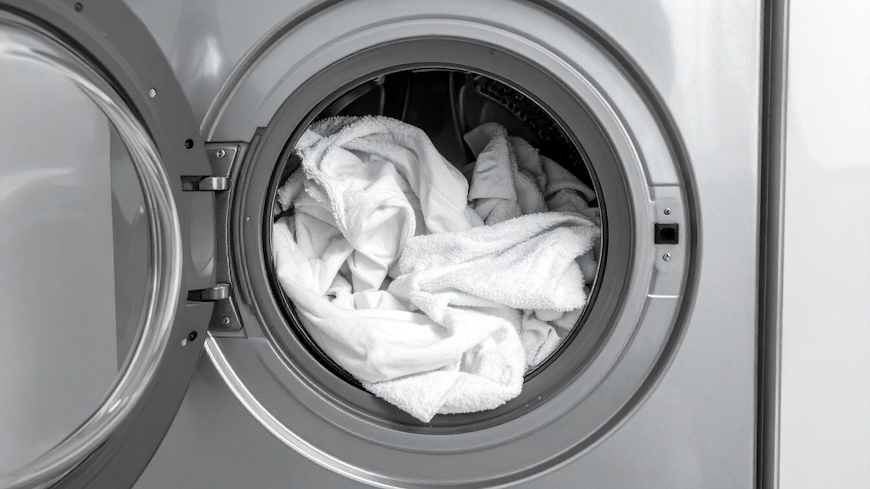
Lowest running costs: Heat-pump dryers are extremely energy-efficient to run long term. Drying a load in one of our Consumer Recommended models costs about 35 cents on average.
Zero moisture in the home or need for venting: A heat-pump dryer collects water in a reservoir, or the water drains down the sink.
Gentler on clothes: Heat-pump dryers dry at lower temperatures than vented dryers, which prevents fabric damage.
Cons
High purchase price: Expect to pay about $1,100 to $2,200 upfront. This higher cost offsets the low running costs of the dryer – you need to be using your dryer frequently to get the benefit.
Slower cycle times: A heat-pump dryer takes longer per load to dry your clothes than a high-heat vented dryer.
THE LOSER: Indoor clothes horse
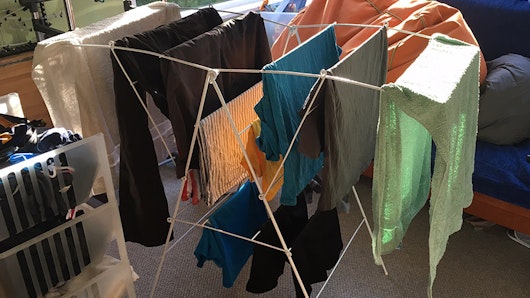
Hanging clothes on a rack inside without an appliance is the default for many households, but it carries heavy hidden costs to your home and health.
Pros
Super-low upfront cost: This method requires only an inexpensive drying rack.
Cons
Severe dampness and mould risk: All the water that comes out of your clothes is going straight into the air. If you don’t have windows open, it’s going to turn into condensation and, eventually, mould.
Higher heating bills: Moist air is harder to heat, so your heat pump or heaters will have to work much harder to keep your home warm.
Very slow: Heavy fabrics take days to dry, causing musty smells.
Tips for using a clothes horse if it’s your only option
If you don’t have a dehumidifier, try these ideas:
✔️ Open a window or two to ventilate the room.
✔️ Put the clothes rack near a heater or wood burner, to help the clothes dry faster.
✔️ Put the rack in your bathroom and run the extractor fan to help dry your clothes. This will add a few cents to your electricity bill, but it will speed up the process, and the bathroom is made for dampness, so the fight against condensation and mould will be easier.
❌ Don’t overlap the clothes on the rack. You can use coat hangers to hang some – this will make ironing easier later.
More tips for drying your washing inside
Give your washing an extra spin at the end of the machine’s cycle, to get rid of more of the water.
If you’re going to use a dryer or dehumidifier to dry your washing regularly, consider a time-of-use power plan, and run your appliances during cheap or free power periods.
Make sure you’re cleaning the dryer’s lint filter after each load, so it’s operating efficiently.