Robot vacuums should be able to clean any type of flooring. We test them on hard floors and carpets, including around obstacles, so that the set-up is similar to a home.
On this page
Overall score breakdown
Our overall score is comprised of:
Hard floor cleaning
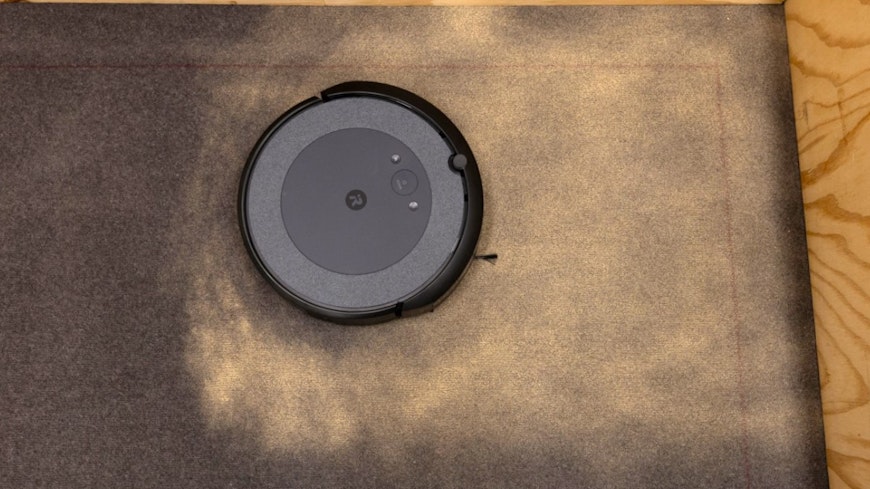
We scatter a measured amount of sand evenly over a vinyl floor and let the robot loose for 25 minutes, or until the end of its cleaning cycle. We periodically measure the dirt collected and the score is based on the total amount picked up.
Carpet cleaning
Similar to the hard floor test, we sprinkle sand evenly onto a section of carpet and leave the robot to clean. The sand collected is weighed and recorded, and then a score is given.
Corners and edges
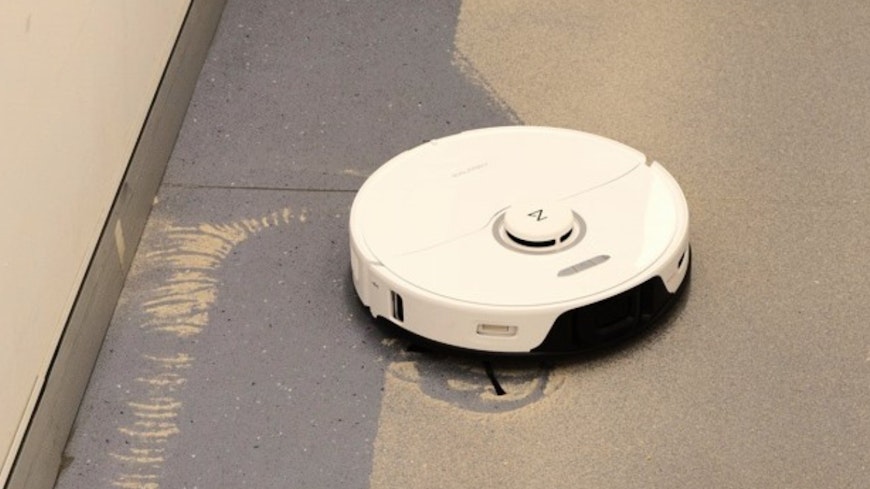
Sand is spread into a corner, and the robot vacuum is instructed to clean this area. A visual assessment of remaining sand checks how close to the corner it got.
Pet hair removal
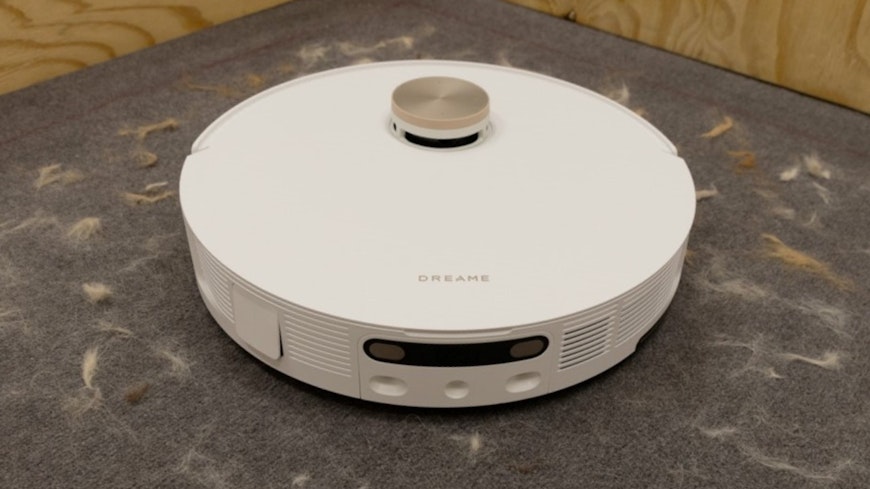
We embed cat hair into carpet and set the vacuum to run for six minutes. The score is based on a visual assessment of how much cat hair is left after the test.
Mopping
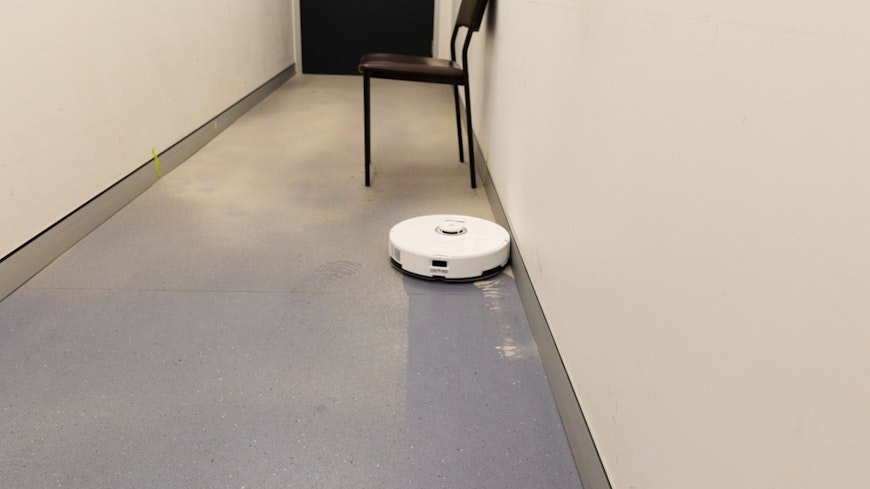
Most robot vacs can now mop as well as vacuum. We spread several common stains – coffee, red wine, a mud mixture, soy sauce and jam – onto a laminate floor. We record how well the robot vac's most intense cleaning routine removes each of these stains.
We also assess how easy it is to use the mopping function, including filling the tank and attaching the pads plus removing and washing the pads.
Other
Battery run time
We run each robot vacuum cleaner in cleaning mode from fully charged until the motor stops running and record the time.