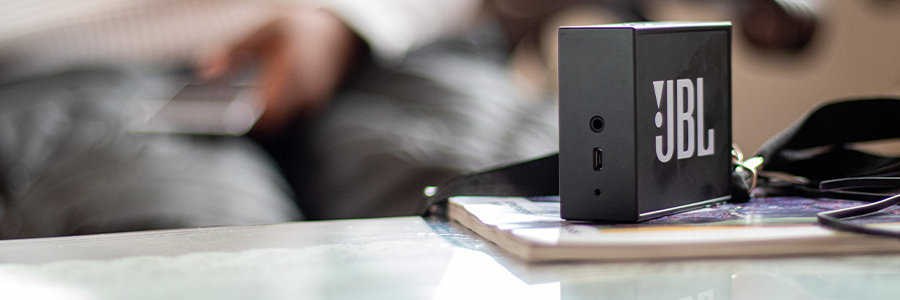
A sound bar needs to produce high-quality audio, but it also needs to be easy to use and well-built. Here’s how we assess speakers in our lab.
How we test
Sound assessments
Listening tests are performed in a simulated living room by a panel of five trained testers.
Samples are played compression-free from a CD-quality source and transmitted by either HDMI or TOSLINK. We also try listening through Bluetooth and WiFi, but this doesn’t tend to factor into scores. Test tracks include orchestral classical, jazz, pop music and speech.
We also consider technical measurements such as harmonic distortion when calculating sound quality scores.
Ease of use
Each sound bar is assessed by a panel of three experts for all aspects of usability, including:
ease of initial setup;
quality of the user manual;
start-up time;
day-to-day operation (via remote control, mobile app or physical buttons).
Physical characteristics
We measure power consumption while the device is playing at 80dBA, switched off, on standby, and in quickstart mode or eco modes if they’re available.
We also subjectively assess build quality, including look and feel.
Privacy and security
We identify the permissions requested, password requirements, and the level of encryption used when sending data. We also check for vulnerabilities to exploits, such as man-in-the middle attacks.