By Belinda Castles
Researcher | Kairangahau
You might pop some Arnott’s Shapes that are “oven baked, not fried” or a can of Aunt Betty’s Creamy Rice that’s “98% fat-free” in your trolley thinking they’re healthy. Here’s why you should take those food claims – and 6 more – with a grain of salt.
1: Made with real fruit or fruit juice
Roll-Ups lunchbox snacks claim to be “made with real fruit”. Nice & Natural Fruit Strings claim to be “65% fruit juice”. But these products are made with concentrated fruit purees or fruit juice concentrates. They bear little resemblance to the fruit they are derived from.
Both products contain sugar, and the fruit strings also list glucose syrup in its ingredient list. Their sticky nature is bad news for little teeth, too.
To help you pick a healthier lunchbox snack, check out our 6 tips for packing the back-to-school lunchboxes.
2: Cholesterol-free
Don’t be swayed by “cholesterol-free” or “no cholesterol” claims.
Cholesterol is a fatty substance that your body needs to function normally. But, too much cholesterol may thicken the walls of your blood vessels, increasing your risk of heart disease and stroke.
Cholesterol levels are linked to your intake of fatty acids rather than cholesterol-containing foods, such as eggs.
We’re particularly sceptical about “cholesterol-free” claims on cooking oils. Cholesterol comes from animal products, so plant oils contain negligible amounts anyway.
When you’re deciding on a vegetable oil, choose one that contains mostly ‘good’ unsaturated fats.
3: Superfood
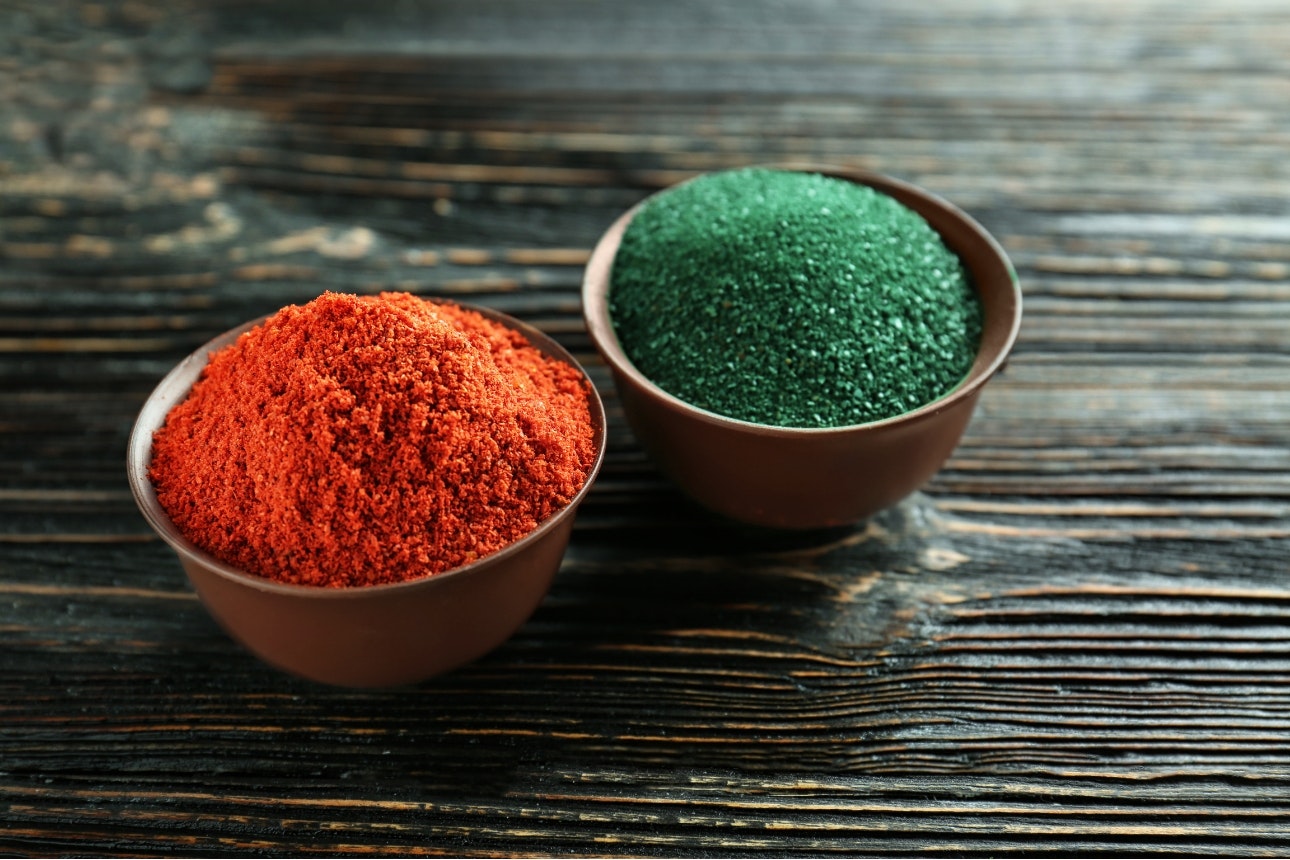
From powders to drinks, we often find products touting the benefits of “superfood” ingredients.
In our superfood powders investigation, the nutrition experts we spoke to told us there is no official definition of a superfood. It’s simply a term used by marketers. It has no parameters to determine what it means. From a scientific perspective, it’s not included in any regulatory context either.
Some foods are rich in specific nutrients, but no single food can deliver all the nutrients our bodies need.
4: Baked not fried
You’ll find this claim in the crackers or savoury snacks aisle.
This claim might sound like a healthier option, but that’s not always the case.
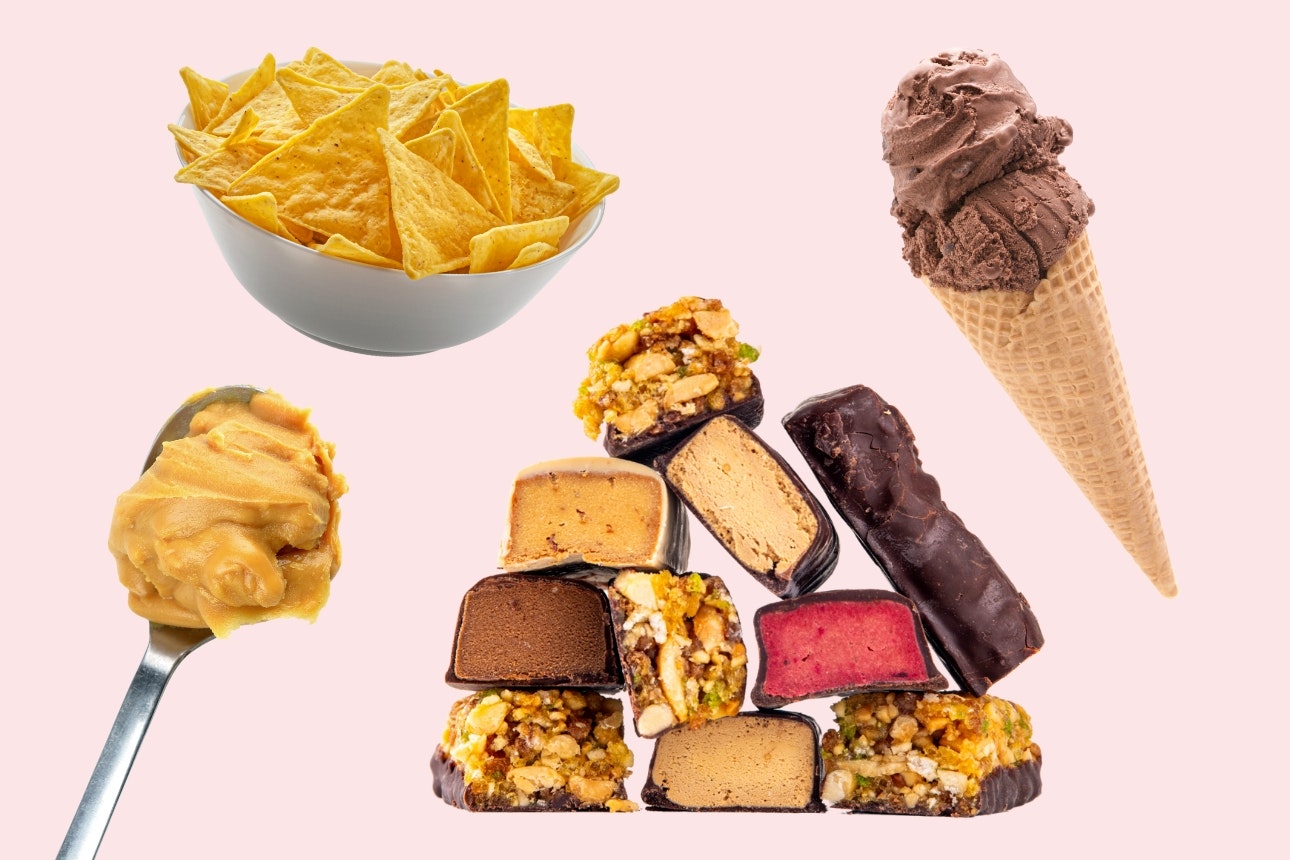
There’s more than one way to pack a snack with fat. You can fry it, or you can add the fat first and then bake it. That means these products can still contain as much fat as fried products!
Arnott’s Shapes Originals Chicken Crimpy claims to be “oven baked, not fried”. But vegetable oil is the second biggest ingredient. These crackers are nearly 20% fat – of which, one-fifth is unhealthy saturated fat.
These crackers are also high in sodium. Eating too much sodium (the baddie in salt) can increase your blood pressure – the number one cause of stroke for New Zealanders.
5: Detox
Healtheries makes a “detox” tea. The Homegrown Juice Company also sells a “Daily Detox” juice.
But detoxification occurs continually in the body quite naturally. The gut and liver break down unwanted and potentially damaging compounds, which the kidneys eliminate. The New Zealand health experts we spoke to told us there’s no need to spend money on detox products.
That goes for other products making similar detox claims. Don’t waste your money on detox foot pads and patches.
6: % daily intake labelling
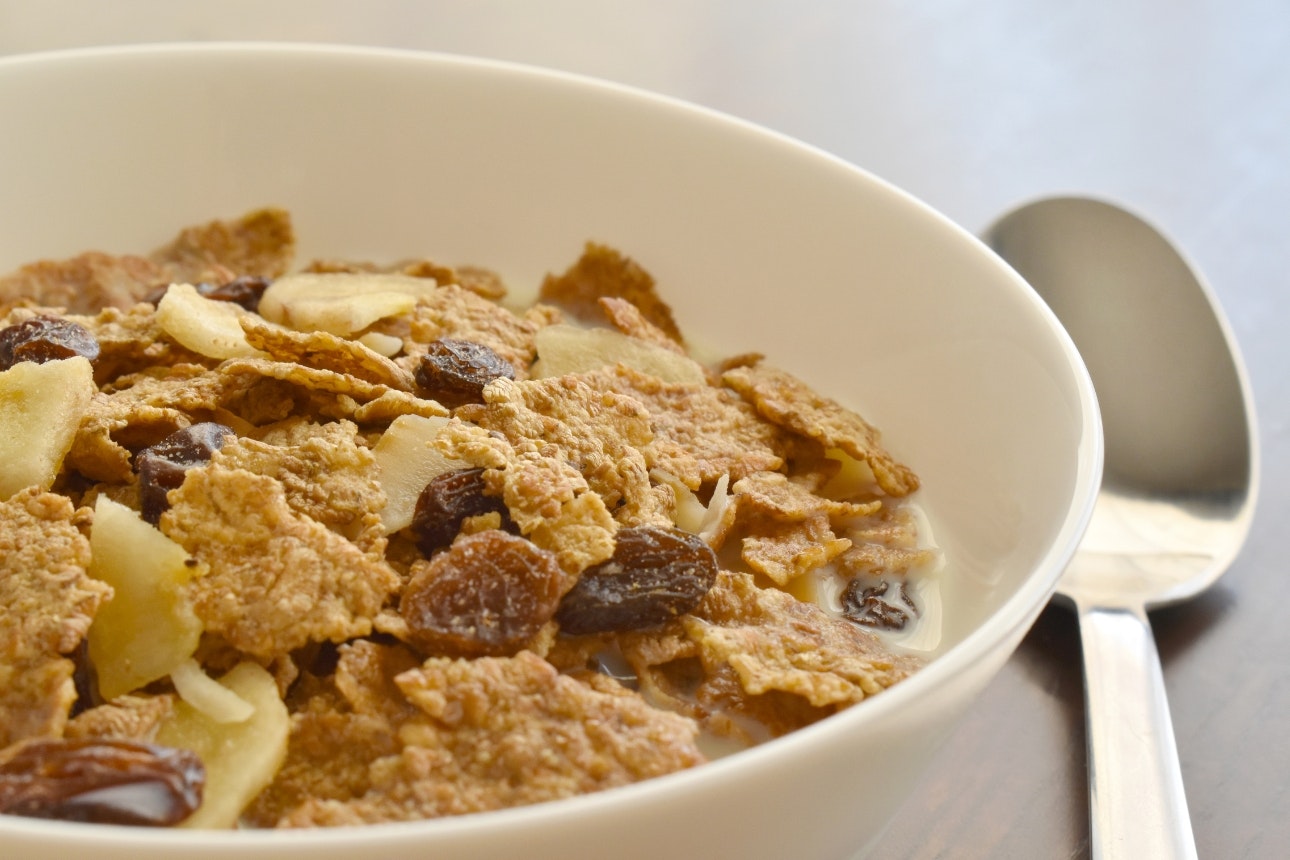
Many breakfast cereals make “% daily intake” claims. For example, we found the following in our investigation into fibre and wholegrain claims on breakfast cereals.
Kellogg’s Sultana Bran claims to contain more than 20% of your daily fibre needs in a 45g serving.
Woolworths High Fibre Bran claims to contain 60% in the same size serving.
But the fine print on the back of these packets shows that these intakes are based on the % daily intake guide (%DI). It’s based on the daily energy intake of an “average adult”. That means it’s not relevant to a range of other consumers, including children. It’s also based on serving sizes determined by the company so may vary by product.
7: % fat free
Fat-free claims can appear on products that are high in sugar.
Aunt Betty’s Vanilla Flavoured Creamy Rice may live up to its 98% fat-free claim. But that doesn’t make it a healthy choice. Half the 425g can (the product’s recommended serving size) has 23.7g of sugar – the equivalent of nearly 6 teaspoons! The chocolate flavour is even worse, with 8 teaspoons per serve.
Fat-free claims can also turn up on products that don’t normally contain any added fat – such as confectionery. Oki-Doki Marshy Mallows state they are “fat free”, but you wouldn’t expect these sweets to contain fats and oils anyway.
8: Premium, natural, pure
Walk down any supermarket aisle, and it won’t be long before you find a product touting a “natural” claim. Food marketers like to use this claim to promote their products as a better choice.
Some companies even have the word “natural” in their brand name. For example, The Natural Confectionery Co, Nice & Natural muesli bars and The Natural Chip Co.
However, the word “natural” isn’t backed by any standard or regulation. So, don’t assume food labelled as natural is automatically a healthier choice.
The same advice goes for descriptors like premium and pure - there’s no official definition.
If you have examples of products you think have misleading labelling, we’d like to hear from you. Email [email protected].