By Chris Schulz
Investigative Journalist | Kaipūrongo Whakatewhatewha
As the war in Iran continues to affect global fuel supplies, everyone seems to have questions about how it is impacting New Zealand.
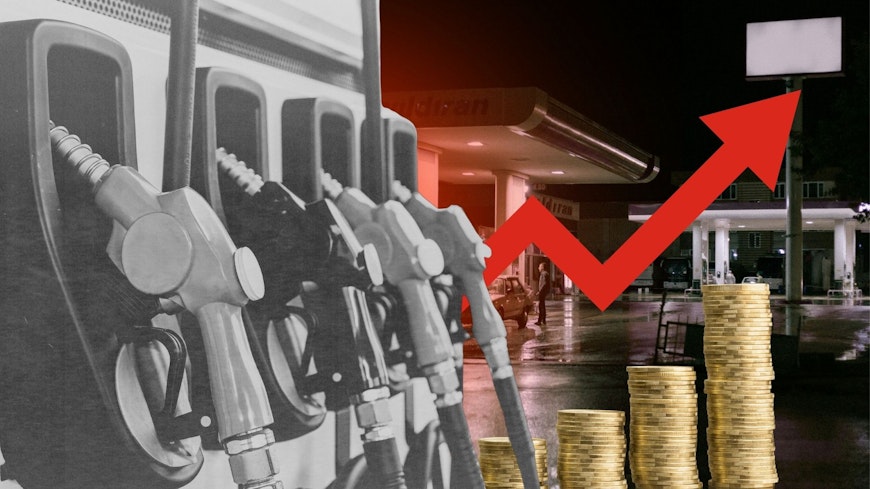
How high will petrol prices get? When might they start going down? How will they impact you? And are fuel companies price gouging?
Here are the answers to all the questions that have landed in Consumer NZ’s inbox so far.
On this page
- Why has the price of fuel gone up so quickly?
- If a lot of our fuel comes from Asia, why does a war in Iran affect prices?
- Are fuel companies price gouging?
- What makes up the price of petrol in New Zealand?
- Is New Zealand at risk of running out of fuel?
- What will happen if the disruptions escalate?
- Why is New Zealand fuel often more expensive than in other countries?
- Should I be panic-buying fuel right now?
- What can I do to reduce the impact of high fuel prices?
- Is now the right time to consider purchasing an electric vehicle?
- Will fuel prices come back down?
Why has the price of fuel gone up so quickly?
Much of Aotearoa’s fuel supply is imported from refineries in Singapore, South Korea and Japan, so prices are influenced by global oil markets.
Even if fuel is already in the country, some retailers say they price it based on what it will cost to replace that fuel, not what it cost when it was purchased.
If global oil prices spike, as they have because of the war in Iran, local prices usually quickly follow.
If a lot of our fuel comes from Asia, why does a war in Iran affect prices?
The war is affecting fuel prices because those prices are set on the global market – not based on where each country physically gets its fuel from.
The Middle East produces a large share of the world’s oil, so when there are disruptions to that production (like conflict, supply cuts, or shipping risks), it affects global supply and overall prices.
In those cases, fuel coming from Asia or elsewhere becomes more expensive because suppliers can sell to the highest bidder globally, shipping routes and insurance costs may increase, and buyers will compete for alternative supply.
Are fuel companies price gouging?
It can feel that way, but not usually. In New Zealand, oversight is provided by regulators, like the Commerce Commission, which monitor anti-competitive behaviour.
The commission says it is keeping an eye on providers to make sure prices come down as fast as they go up.
“Any retail price increases should be aligned with actual increases in the cost of sourcing fuel,” commissioner Bryan Chapple says. However, the market is relatively concentrated, and companies do have some pricing power.
What makes up the price of petrol in New Zealand?
Roughly, pump prices include global crude oil prices, refining and shipping costs, taxes (fuel excise duty, GST, emissions trading costs) and retail margins.
Is New Zealand at risk of running out of fuel?
It's unlikely in the short term. New Zealand imports refined fuel and maintains commercial and strategic reserves. However, because we rely heavily on imports, disruptions to global supply chains can create pressure.
You can check the country’s daily fuel stock levels on the NZ Oil Watch website.
What will happen if the disruptions escalate?
If the situation grows more serious, fuel could be prioritised for essential services; temporary shortages or regional outages could occur; and the government could step in with emergency measures.
But a complete nationwide shortage seems unlikely. A four-stage plan has been announced based on the National Fuel Plan, and finance minister Nicola Willis says, “There is currently no need for fuel restrictions”.
Why is New Zealand fuel often more expensive than in other countries?
There’s a few reasons. For a start, we’re geographically isolated, so shipping costs are higher. The market is relatively small with less competition. Taxes, ACC levies and environmental charges add to the price. Plus, we import refined fuel rather than refining it locally at scale.
Should I be panic-buying fuel right now?
No. Panic buying can create artificial shortages and make the situation worse. Supply systems are designed for normal demand patterns, not sudden surges. Stockpiling large amounts of fuel at home can also affect your insurance policies because of the fire risk.
What can I do to reduce the impact of high fuel prices?
If you must use a car, drive as efficiently as possible, and shop around or use an app like Gaspy to find the cheapest petrol prices in your region. Here are Consumer’s top tips for using less fuel.
Consider other options. You may be able to carpool with friends, family, neighbours or workmates. Alternatively, you may find using public transport or alternative modes of transport, like biking or walking, more cost effective if petrol prices continue to rise.
Is now the right time to consider purchasing an electric vehicle?
That depends on whether you can afford it.
Electric vehicles are often more expensive than petrol cars, but they are coming down in price as more brands enter the market and the market becomes more competitive.
Recent Consumer research shows EV owners are happy with their purchases, and 96% of respondents to a recent survey told us they would buy another one.
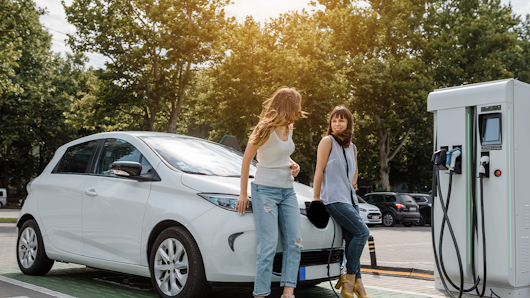
Check out our electric and hybrid car tests
Find the best electric or hybrid vehicle with our buying guide and electric cars reviews. We've road-tested 50 current and 81 discontinued models.
Will fuel prices come back down?
They can, but it depends on global oil markets, exchange rates and geopolitical stability. Prices are cyclical, but long-term prices may stay elevated due to climate policies and tightening global supply.