By Gemma Rasmussen
Head of Research and Advocacy | Tumuaki Rangahau, Taunakitanga
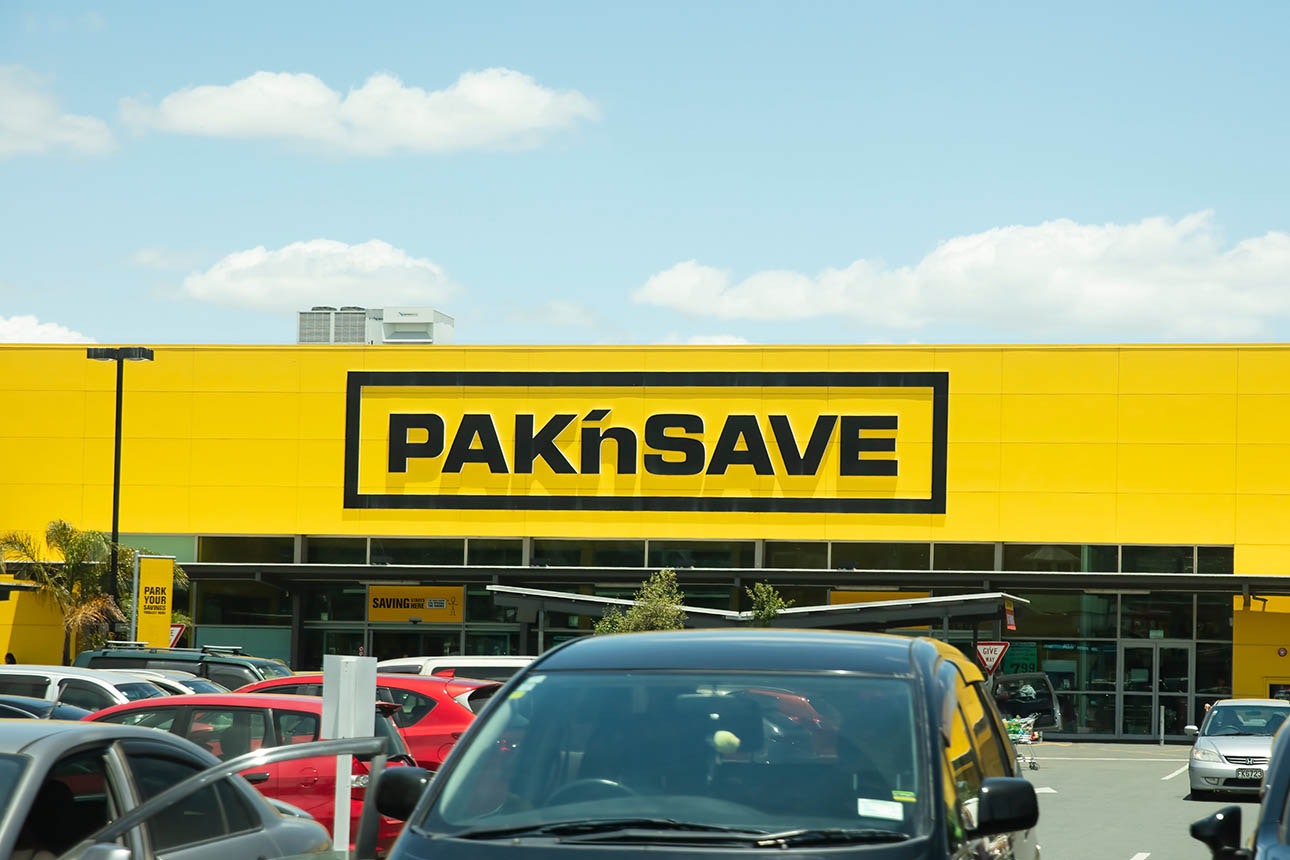
Foodstuffs North Island and Foodstuffs South Island have failed in their attempt to combine into a single business, with their merger application rejected by the Commerce Commission this week.
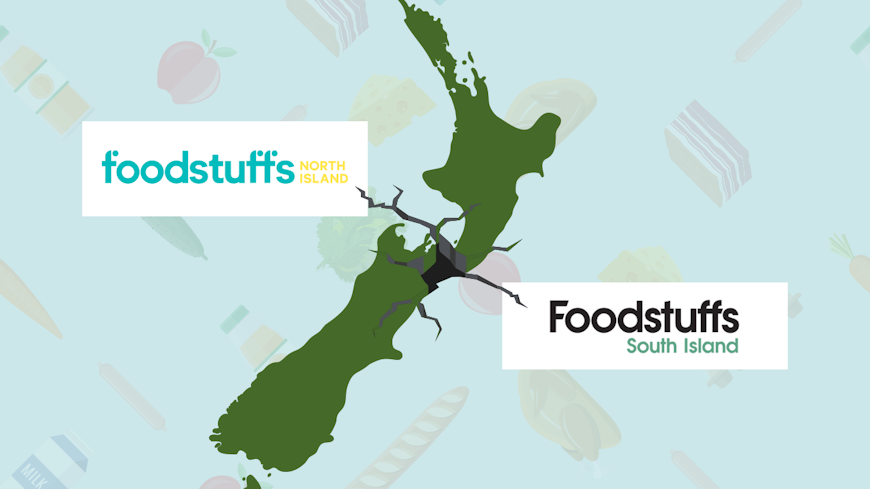
Commerce Commission chairperson John Small said “the proposed merger would result in a permanent structural change to the New Zealand grocery industry. We are concerned about the impact this could have on competition and New Zealand consumers.”
The primary reasons for declining the merger outlined by the Commission are that:
suppliers would go from having three major retail buyers to two, leaving suppliers more vulnerable to being priced squeezed as Foodstuffs became a more dominant buyer
Foodstuffs becoming more of a superpower could make it harder for new or prospective grocery retailers to compete and grow
the risk of price coordination between Foodstuffs and Woolworths would increase, which would be a competition deterrent.
On the flipside, Foodstuffs said:
they are very disappointed with the outcome
the merger would make them more competitive, efficient and agile, and New Zealanders would reap the rewards of savings through an improved business operating model.
What we think
Foodstuffs’ assertion that they will be more competitive and agile as a merged entity and will pass on savings to consumers sounds like a bit of a stretch to us.
If the 2022 grocery market study and the grocery commissioner's first annual grocery report in 2024 are anything to go off, our major supermarkets continue to enjoy higher levels of profitability than should be possible in a competitive market. If the merger was approved, we are doubtful that Foodstuffs would change their stripes and pass on major savings to shoppers.
Declining the merger would not have been an easy decision for the Commission, and we applaud their backbone. As a nation, we have one of the most concentrated grocery sectors in the world and our focus should be on diversification, not consolidation.
According to Lisa Asher, retail expert and academic at the University of Sydney, in New Zealand there is one supermarket for every 12,871 people, while in Germany there is one for every 3,009, and in Ireland, a similar-sized island nation to New Zealand, one for every 5,563. Whichever way you slice it, New Zealand does not have a lot of choice when it comes to where to shop for food.
Historically, the Commission has been responsible for approving supermarket acquisitions, which has led us to the hyper-concentrated situation we're in now. There is little doubt that this refusal to increase that concentration would have been a carefully considered decision by the Commission and there is a very real possibility Foodstuffs will fight it through the courts.
Is the Commission’s tougher approach to the supermarket sector enough?
In the past few months, we've seen a firmer stance from the Commerce Commission on the grocery sector. The grocery commissioner’s first annual grocery report, in September 2024, provided much needed transparency on the concerning state of the supermarket sector.
The commissioner did not mince his words, highlighting that there has been no meaningful improvement in competition in the sector, and that retail margins have increased, which is audacious of the current supermarket duopoly – Foodstuffs and Woolworths – especially in the face of declining public trust and increased regulatory pressure.
The grocery report highlighted a number of regulatory measures that could improve competition and lead to fairer pricing and greater choice for consumers. These included focusing on the duopoly’s land banking practices, improving access to wholesale groceries, enhancing supplier relations and potentially upping penalties for supermarkets when they're not playing fair.
While this all sounds promising, the grocery commissioner has been quick to highlight that it will be slow work to transform the health of the sector. The question is, can shoppers afford to wait for glacial change?
Impact on grocery shoppers
Off the back of the recent annual grocery report, shoppers now have confirmation that the prices they're paying at the checkout aren't fair. Simply put, our duopoly is making too much money.
This comes at a time when food stress is high. Consumer NZ surveys show that financial stress around food is now second only to housing, with most New Zealanders citing it as a significant source of concern. Three years ago, financial food stress was ranked as a low priority, coming eighth in a list of ten concerns
The Commission has limited powers to clean up our broken grocery sector. There could be pressure placed on the duopoly in the form of larger penalties that could really sting.
That said, ultimately it is the government’s role to introduce greater intervention, such as structural changes and market break ups.
There's been a lot of theorising about what makes a fairer marketplace, but if we look at international markets, the more choice a shopper has, the greater the competition. That's why ushering in a new entrant to the market or giving an existing retailer like The Warehouse the ability to grow seems like our best bet for improving the current situation.
New Zealanders need to ask themselves: is slow and steady progress enough, or should we be pushing for seismic change in the grocery sector?
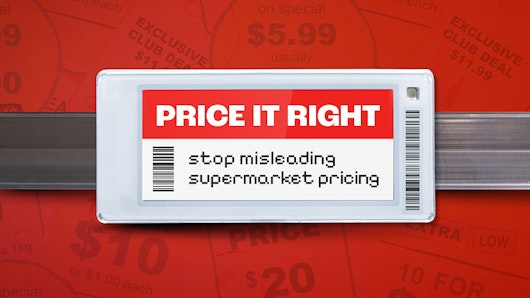
Make supermarkets price it right
Find out about our campaign to tell the government we need clear rules, stronger penalties and automatic compensation for shoppers.