By Gemma Rasmussen
Head of Research and Advocacy | Tumuaki Rangahau, Taunakitanga
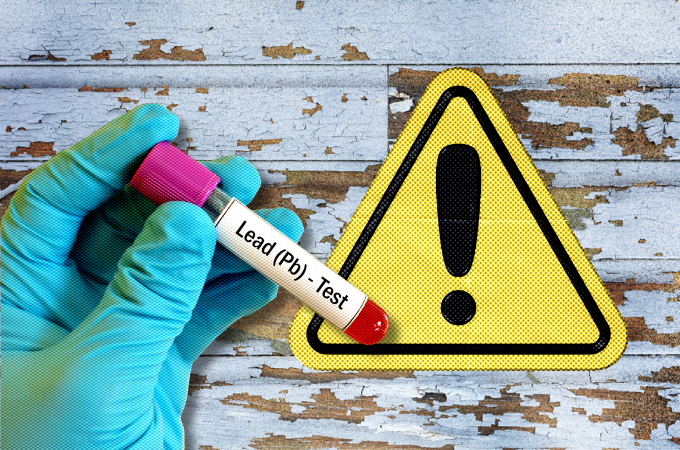
Consumer NZ’s latest report highlights serious gaps in New Zealand’s product safety system. The sale and recall of coloured play sand that tested positive for tremolite asbestos demonstrates a multitude of failures by businesses and various government departments.
How does asbestos get into children’s sand?
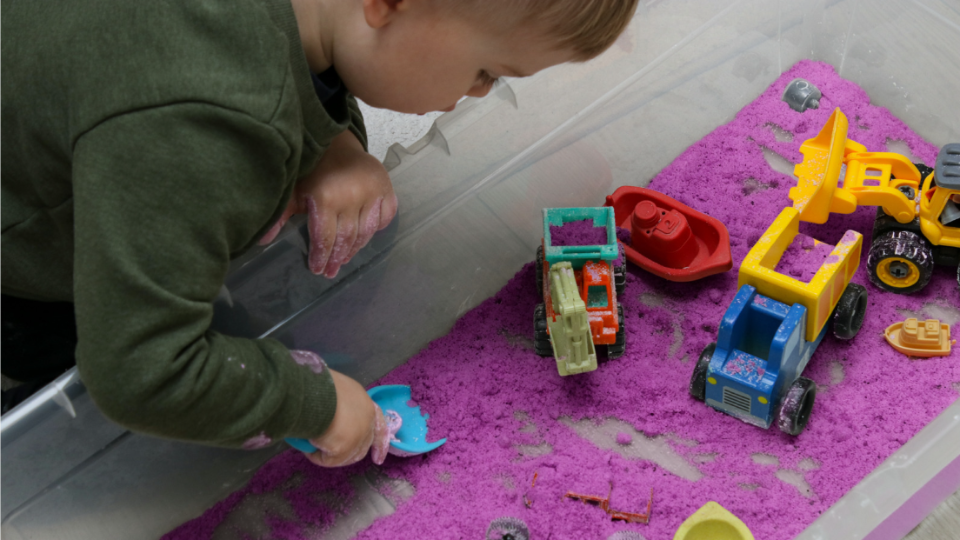
Coloured play sand is manufactured. It is crushed rock from quarries – and some of that rock has naturally occurring asbestos veins.
By law, businesses must ensure goods are safe before they go on sale. But there is currently no compulsory asbestos testing for coloured play sand in New Zealand. The border isn’t a safety net either: in the past 10 years, Customs has only stopped one lot of asbestos-contaminated products, a shipment of crayons.
The coloured sand problem was discovered by chance. A laboratory found unfamiliar fibres in coloured sand during routine work and sent it for more sensitive testing. When the finding was discussed on an industry podcast, host Robert McAllister, the director of the Faculty of Asbestos Management of Australia and New Zealand (FAMANZ), sounded the alarm to WorkSafe. Reflecting on the podcast discovery, McAllister says, “I felt viscerally sick. This play sand was actively being used in kindergartens by children. It took me completely aback. I couldn’t sleep, knowing it was happening.”
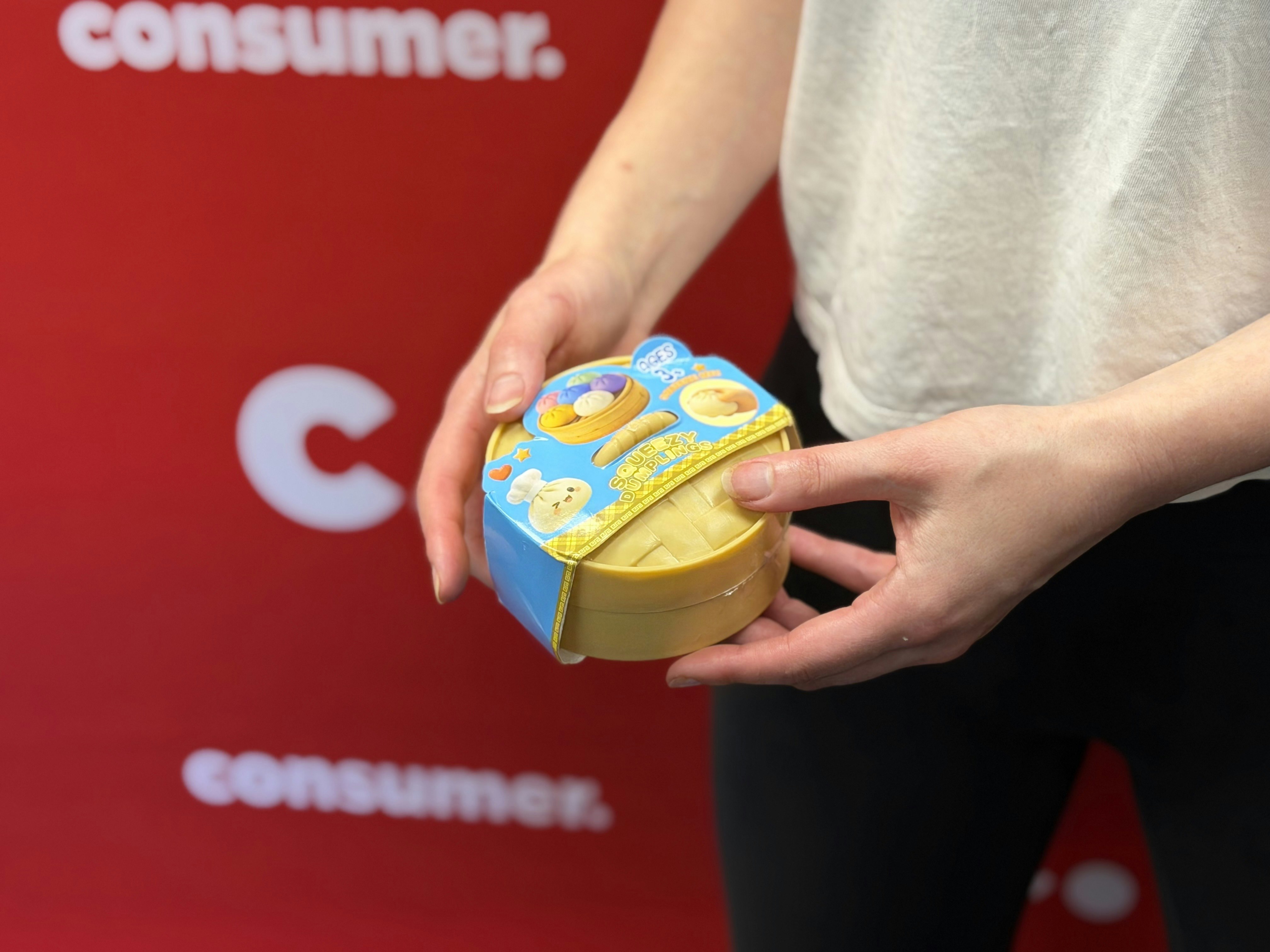
Further tests commissioned by FAMANZ found tremolite asbestos in four Kmart sand products. The first voluntary recall notice was published by MBIE on 15 November 2025. There have been 25 recalls for coloured play sand since then.
Why is coloured play sand described as ‘low risk’ on recall notices?
In a voluntary recall, the business managing the recall writes the notice, including the hazard statement. MBIE publishes it but can’t rewrite it, and no health official or risk assessor signs it off.
Kmart’s recall notice told customers that the risk any asbestos was likely to become airborne was “low”. That wording traces back to the first coloured play sand recall published in Australia last year by Educational Colours. That company commissioned lab testing, which was reviewed by an assessor who never saw or tested the sand. The “low risk” wording was applied to many other recalled sand products, despite the assessor’s caution about applying its findings beyond the assessed samples.
Emails between MBIE colleagues, released under the Official Information Act (OIA), show apparent unease about Kmart’s “low risk” guidance; one official asked whether Kmart could be made to say this was its own advice, “not a universal truth”.
Five days after the first Kmart recall notice in New Zealand, WorkSafe told Kmart in writing that sand was “friable”, because it could be crumbled by hand, and that recalled sand required Class A asbestos removal. It invited Kmart to provide evidence to the contrary. To Consumer NZ’s knowledge, Kmart provided nothing.
In November 2025, an open tub of play sand was found in the break room at Kmart Te Rapa in Hamilton. Nobody could say whether it was recalled sand. Kmart wrote to WorkSafe, stating, “[A]s a business we are keen to remove all contaminated material from our sites as quickly as possible.” It shut the entire store and brought in a Class A licensed asbestos removalist.
Its advice to customers with recalled sand, still on its recall notices today, is to put on gloves and a mask, seal it in a plastic bag and take it to a tip accepting asbestos waste.
What officials said privately about children’s health
Health NZ says there is no safe level of asbestos exposure. Related disease can take 15 to 40 years to appear. Approximately 220 people die from asbestos-related diseases in New Zealand each year, similar to the annual road toll.
“Low” is a conclusion on the level of risk, yet, according to internal documents, health officials privately said they couldn’t determine a level of risk. On 27 November 2025, the Ministry of Health’s own related technical advisory group stated no consensus on the level of risk, because there was not enough data.
On 11 December 2025, toxicologist Professor Ian Shaw and law professor Alex Sims published a briefing recommending regular health monitoring for exposed children. OIA records show that on 13 January 2026, Chief Science Advisor Dr Ian Town emailed Chief Medical Officer Dr Joe Bourne, calling the professors’ briefing “unhelpful” and writing, “I managed to get them to change the advice.”
That same day, a Ministry of Health adviser suggested the situation could be used as a “natural experiment” to better assess the risk.
Another internal email asked whether it was worth “trying to develop the concept” that setting up a register of exposed people could have “negative effects such as health insurance and anxiety” and “may have no positive effects if no action follows”.
Bourne also voiced concern internally that “[the Ministry of Health] might end up the leading this whole response simply because we are getting ourselves better organised”.
Public health agencies must weigh resourcing against what a formalised health check-in could achieve. But the released OIA pages record no scientific reasoning for the change in stance, even as the Ministry’s own notes accept that earlier diagnosis could, in theory, improve outcomes. There is still no monitoring programme or check-ups planned for people exposed to recalled play sand.
What independent testing found
In July, testing led by AUT’s Dr Terri-Ann Berry found asbestos fibres could become airborne during simulated play with some of the play sand tested. Berry led the study herself – it was not government commissioned.
Of the study, Berry says “many of us came together to make this study happen, donating time and resources. This study was happening on the sniff of an oily rag.”
Recall notices continue to say fibre release is unlikely unless the sand is crushed or pulverised.
Parents made to feel they were overreacting
Parents have told Consumer NZ they’ve been made to feel “unreasonable”. MBIE’s meeting notes record Kmart advising of “customer confusion and hysteria”.
Christchurch parents Elle Chrisp and David Dingwall bought coloured play sand for their twins, then took Kmart to the Disputes Tribunal. In August, the Tribunal ordered Kmart to pay $15,185.42 for asbestos testing, relocation, replacement items and remediation. The referee found that no reasonable parent who knew the sand contained asbestos would buy it for their child.
A product safety system built for an earlier marketplace
By February, MBIE told the appropriate minister that none of the suppliers whose play sand tested positive held the permit required to import asbestos-containing products, making them illegally imported. On 18 June, the Commerce Commission opened an investigation into play sand. No enforcement outcome has yet been made public.
In September, the government proposed mandatory pre-sale testing, by accredited laboratories, for toys and craft products containing play sand. This is a step forward, but it is narrow, lowering risk without eliminating it.
Experts in asbestos detection have told Consumer NZ that it’s likely the extent of asbestos contamination is a lot broader than what we have seen so far. Manufactured sand is used in so many different products – like paperweights, toys, and doorstops.
New Zealand’s product safety laws haven’t kept pace with a marketplace reshaped by direct imports, low-cost overseas suppliers and supply chains that regulators can barely see into. Despite that, Consumer NZ research shows 88% of people are confident products sold here are safe.
The next unsafe product will arrive through the same gaps, and the cycle will repeat. No one is independently assuring that products are safe before they reach customers. This play-sand story shows a litany of mistakes, and in the decades to come, we may see the full health impact.
At Consumer NZ, we want stronger regulation, a properly resourced and empowered regulator, active border checks and clarity over whose responsibility it is to ensure products are safe. This has been done overseas, and it can be done here. We just need politicians that are willing to prioritise the issue. International studies show that two categories account for the highest number of unsafe products: electrical goods and products targeted at under-threes. If we accept the status quo, there’s a real possibility people may die from a risk they never saw coming.
Read our full report on the play-sand saga and our recommendations for fixing product safety protections in Aotearoa.