By Belinda Castles
Researcher | Kairangahau
Our test found 7 out of 10 sunscreens failed to meet their SPF label claims. Six still provided high protection, but one of the most expensive products delivered only low protection.
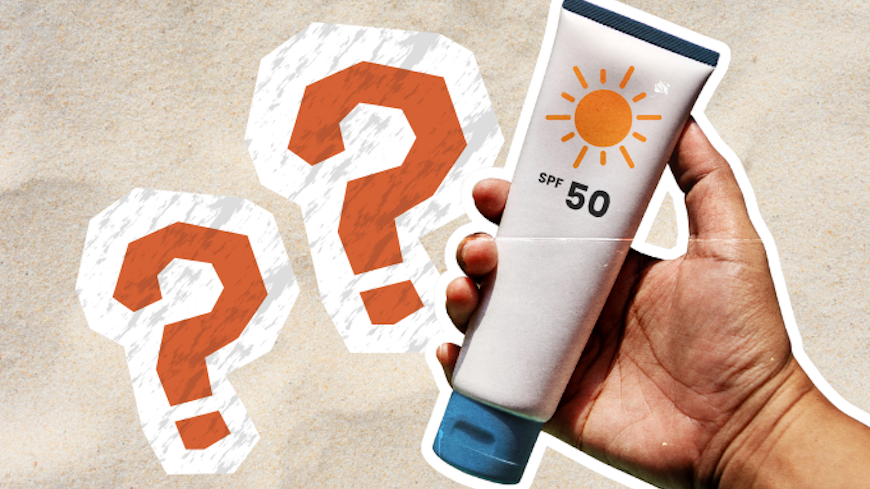
Sunscreen is an important part of your defence against damaging UV rays, so it’s important you can trust the claims on the label.
We tested 10 sunscreens from a range of widely available brands, priced between $4 and $76 per 100g. We wanted to check whether the sun protection factor (SPF) and broad-spectrum protection claims stacked up.
Both tests are important. SPF measures protection against UVB rays, which cause skin reddening and are the main cause of sunburn. Broad-spectrum protection protects against both UVA and UVB rays. UVA penetrates deep into the skin and can cause wrinkles and age spots. Both UVA and UVB rays can cause skin cancer.
We found:
All products met the requirements for broad-spectrum protection.
Only 3 sunscreens met the SPF protection claimed on the label; 2 of these products were affordable options costing less than $10 per 100g/ml.
6 sunscreens did not meet the SPF protection claimed on the label. However, these sunscreens still provide high protection (SPF30 or higher).
1 sunscreen – Coola Zinc Oxide Sunscreen Lotion 50 – only provided low protection (SPF14), not the high protection (SPF50) claimed on the label.
To meet a SPF50+ label claim, a sunscreen must achieve a tested SPF of 60 or higher. Overall scores are calculated on how close a tested SPF is to the label claim. For example, sunscreens that met their SPF label claim score 100%.
Our results aren’t a one-off. These disappointing findings follow the 2025 Australian investigation which found 11 sunscreens available in New Zealand didn’t meet SPF label claims.
Previous Consumer NZ investigations have also repeatedly identified problems with sunscreen claims:
In 2021/2022, 8 out of 21 sunscreens met SPF and broad-spectrum protection claims.
In 2019, 8 out of 20 sunscreens met SPF and broad-spectrum protection claims.
In 2018, 2 out of 9 sunscreens met their SPF label claim and requirements for broad spectrum.
In 2017, only 9 out of 19 achieved this.
This isn’t good enough for a country with one of the highest melanoma rates in the world.
Why is there variation in sunscreen test results?
After we have each sunscreen tested, companies can then provide us with their own test results to substantiate their claims. So why is there variation?
Testing on humans
SPF testing is done on people, as required by the Australian/New Zealand sunscreen standard. People burn at different rates, which can produce slightly different results in a small sample size. While this could account for some of the smaller gaps between our results and the companies’ claims, we don't believe it could be the reason for the larger gaps seen in the lower-scoring products above.
Variation between batches
Companies don’t have to regularly test their products to ensure they still meet SPF labels claims, even if the ingredient supply changes. SPF testing may have been carried out on a carefully prepared research and development sample, rather than the sunscreen made later at full production scale.
Lack of consistency between labs
Our testing over many years has highlighted the variability of results between laboratories, even when sunscreens are tested the same way. In 2025 we reported on an investigation by Australia’s ABC News that raised concerns about sunscreen testing by Princeton Consumer Research (PCR). Concerns included doubts about the accuracy and integrity of SPF test results. Australia’s sunscreen regulator, the Therapeutic Goods Administration (TGA), has also raised concerns about PCR. In 2021, we reported on a major sunscreen fraud by US-based AMA Laboratories. The lab we use has a good reputation and no history of concerns about the accuracy and integrity of its results.
How are sunscreens regulated?
After many years of Consumer campaigning for sunscreens to be regulated, the Sunscreen (Product Safety Standard) Act came into force in September 2022. Under the law, sunscreens must meet the Australian and New Zealand sunscreen standard (AS/NZS 2604:2012). The Fair Trading Act 1986 is used to enforce the regulations. Companies that breach the requirements may face fines of up to $600,000.
All sunscreens sold in New Zealand must be independently tested. But we don’t believe complying with the standard is enough. We think regular sunscreen testing is essential so you can trust SPF labelling and protect yourself against New Zealand’s harsh sun. Our new results back up that call.
We believe testing laboratories should also be monitored for consistency, and sunscreens should be regulated in a way that recognises their therapeutic role in protecting people from UV radiation.
The government is considering how sunscreens are regulated. Under the proposal, sunscreens would be regulated as a “boundary product” under the Medical Products Bill. This recognises that sunscreens sit between a cosmetic and a medicine. Products would need to be listed on a public register and Medsafe would have stronger powers to request evidence and require retesting. We’ll be keeping an eye on any developments.
Read more about the 5 key things we think could improve this country’s sunscreen industry.
How we test sunscreens
We buy sunscreens from stores just as consumers do. Sunscreens are sent “blind” to an accredited lab in light-resistant packaging, so the lab doesn’t know what sunscreen it’s testing.
Sunscreens are tested against two aspects of the Australian/New Zealand sunscreen standard.
SPF testing
Each sunscreen first underwent a five-person panel test. The seven products with preliminary results below their SPF claim then proceeded to the full 10-person test required by the Australian/New Zealand sunscreen standard.
The sunscreen is applied to each person at a rate of 2mg per cm2 of skin. It is evenly spread and allowed to dry for 15 minutes. A similar-sized area is measured out and left unprotected.
A special lamp, simulating the part of the UV spectrum that causes sunburn, is shone on both areas for varying amounts of time. Around 24 hours after exposure, a technician assesses the skin and records the smallest dose of UV light that caused redness on the protected (with sunscreen) and unprotected (without sunscreen) areas. The factor between the two is the SPF. Results from all 10 participants are then averaged to determine the final SPF rating.
Broad-spectrum protection
Using a spectrophotometer, the lab measures the UVA protection factor provided by a thin film of sunscreen on a plate. To pass, a sunscreen must meet two requirements. It must reach a “critical wavelength”, which ensures UVA protection extends to wavelengths that penetrate deeper into the skin, and its protection against UVA must be at least one-third of the tested SPF protection against sunburn.
Why doesn’t Consumer test more sunscreens?
Testing costs about $7,000 per sunscreen, which is why we tested only 10 sunscreens. To help consumers compare a wider range of products, our sunscreen database also includes company-supplied information for more than 160 sunscreens.
You can filter by price, SPF, water resistance and ingredients. You can also see which testing lab was used and when the testing took place.
Unfortunately, several manufacturers, including Beiersdorf (Nivea), Edgewell Personal Care (Banana Boat and Hawaiian Tropic) and Neutrogena, declined to provide this information. Although we’ve included some product information about these manufacturers’ sunscreens in our database, we don’t have information about where or when their sunscreens were tested.
Find the best sunscreen
We have a database of more than 160 products from over 40 brands to help you choose the best sunscreen for you.
What did the sunscreen companies say?
We sent the results to the companies whose products did not meet their SPF label claims and asked for evidence supporting those claims. Their responses varied: some supplied earlier test reports or arranged further testing, while others declined to provide reports or did not respond.

Natio
A spokesperson for Natio told us the company was surprised by the information shared by Consumer.
“Natio has had the formula tested by three independent laboratories accredited to conduct the relevant testing, and all results received support the product’s stated SPF and label claims.”
The company told us it was unable to provide these results.
“The full reports contain intellectual property and information covered by contractual obligations, so we’re unable to release them publicly, but we can confirm they are in hand.”

Invisible Zinc
The distributors for Invisible Zinc told us our test finding is surprising and does not align with the SPF testing results obtained by its company.
“We test all Invisible Zinc products for SPF and other label claims in accredited laboratories in accordance with the Australia and New Zealand standard prior to release.”
The company provided a test report from 2021 to substantiate its SPF50+ label claim from the same lab that conducted our testing. It said since the product was tested the formulation has not changed and every batch undergoes quality control testing to confirm it has been made to the same formulation.

Beauty of Joseon
We purchased this sunscreen from Farmers, and the retailer provided test results from 2023 to substantiate its SPF label claim. A spokesperson for Farmers said the brand has confirmed no formulation changes have been made since the testing was conducted.
Farmers also requested that its supplier undertake additional testing and have advised that the full 10-person test is expected by the end of the year. While testing is being completed, Farmers has temporarily removed this sunscreen from sale. However, it’s also available from other retailers.
Le Tan
The distributor of Le Tan did not respond when we sent it our test results. However, earlier this year it told us this sunscreen was tested by PCR Labs in 2020.
Marine Blue
Marine Blue did not respond to our emails. This isn’t the first time this sunscreen has not met its SPF label claims. In 2019, it only achieved an SPF of 26.4 in our test.
Marine Blue is subsidised by Pharmac (the government’s medicines-buying agency) for people severely sensitive to light because of a clinical condition. Pharmac does not conduct its own testing. Instead, it requires suppliers to provide evidence showing their products meet the relevant standards. We will be sending our test results to Pharmac.
Coola’s distributor told us it would not be commenting on our test results. Sun Bum didn’t respond to our request for comment.
Sun safety tips
Remember, no matter your skin type or colour, sunscreen is only one part of your defence against UV radiation. You should also cover up with suitable clothing, a broad-brimmed hat and UV-protective sunglasses. When the sun’s rays are most intense (between 10am and 4pm, September to April, or when the ultraviolet index (UVI) is 3 or higher), limit your time in the sun.
For more information about buying and using sunscreen check out our sunscreen buying guide.
Why is this free?
Health New Zealand | Te Whatu Ora funded this article and our sunscreen database as part of its ongoing efforts to raise awareness about sun protection.
We’re dedicated to getting NZ consumers a fairer deal. We provide as much information as we can for free but we rely primarily on membership and donations to fund our work. You can help by becoming a Consumer member or making a donation. We’ll use your contribution to investigate consumer issues and work for positive change.
Want more independent advice to help you shop smarter? Subscribe to the Consumer NZ newsletter and get our best stories in your inbox every week.