By Belinda Castles
Researcher | Kairangahau
Lower power bills are just one reason to make your home more energy efficient. You’ll also be making your house warmer and healthier while reducing how much the country has to rely on fossil fuels to keep up with power demand.
Here are some ideas for saving energy in your home. Many of our tips are free, and just making one or two changes can still help.

In the kitchen
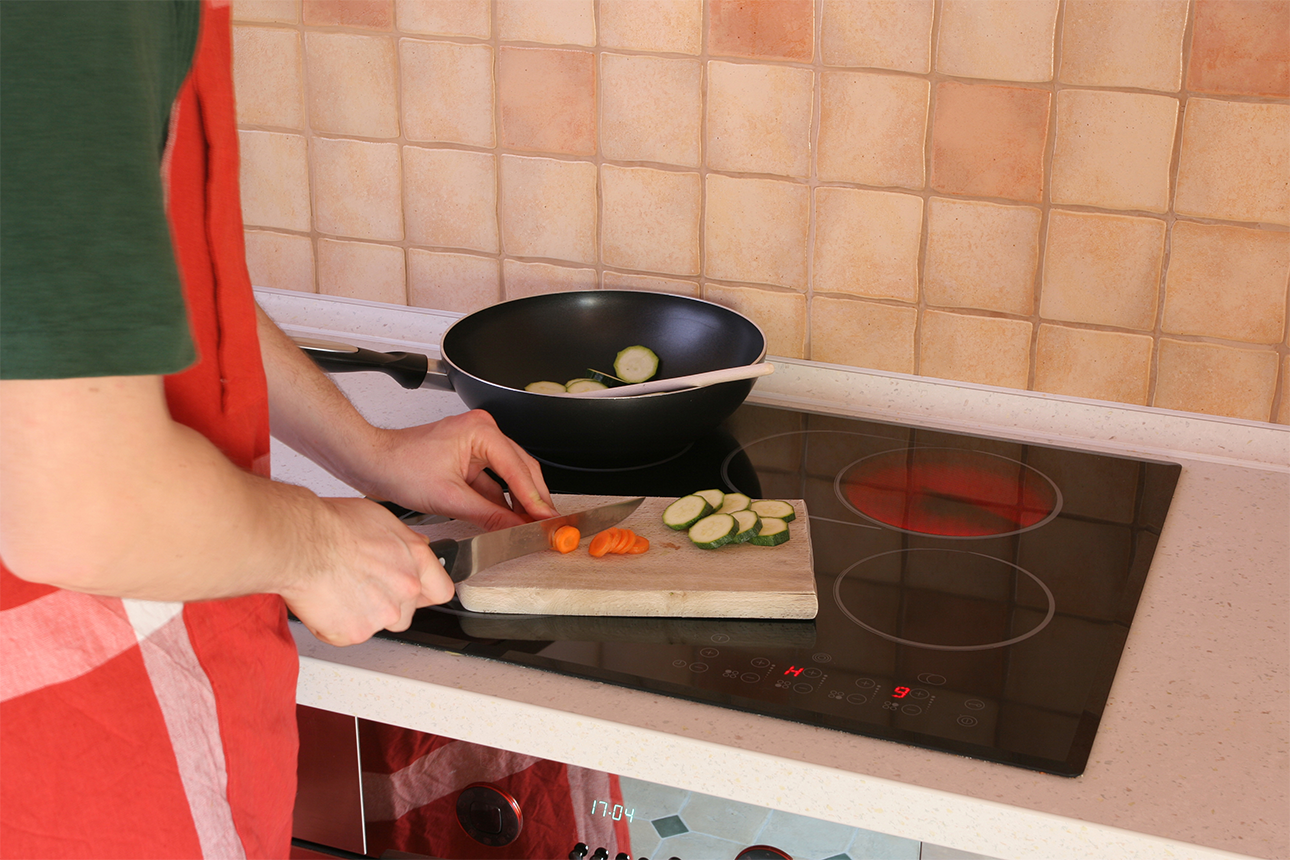
Use pot lids and extractor fans
Damp air is harder to heat, so cover your pots and use extractor fans when you cook to stop the steam escaping.
Get a slow cooker
Even though slow cookers run for 8 hours, they use only about 26c worth of power, and you might be able to fit enough in them to get dinner for the next night too. By comparison, a roast in the oven will cost about $1.30 to cook.
Use your dishwasher’s eco mode
Wait until your dishwasher is fully loaded before you run it, and choose the eco or auto-sensing cycle so it doesn’t use more power or water than it needs.
In the bathroom
Test your shower’s water flow
Check if your showerhead is wasting hot water by seeing how long it takes for a running shower to fill a 10L bucket. If the bucket fills up in less than 1 minute, there are savings to be made. You can buy efficient showerheads, but they tend to be an expensive solution to the problem. Instead, buy a water-flow restrictor – they’re cheap little discs that you can easily insert yourself and do the same job.
Get a shower dome
A shower dome over the top of a shower will turn steam into condensation and send it down the drain instead of letting it out into the air. (As noted above, damp air is harder to heat.)
Turn off the heated towel rail
Leaving the heated towel rail on costs about 61 cents a day – so about $18 a month and $216 a year.
Fix dripping taps
A dripping hot water tap can waste about 28L of water a day. This can add about $175 a year to your power bill. If you’re renting, tell your landlord.
In the laundry
Clean your dryer filters
Improve your dryer’s efficiency by regularly cleaning your lint filter. This will improve the airflow so your dryer doesn’t need to work as hard.
Give your washing extra spin time
If you know you’re going to be hanging your washing inside, spin the load on the fastest speed or give it an extra spin at the end of its wash. Every drop that’s spun out means less dampness in your home.
Do laundry in cold water
A cold wash often performs just as well and only costs around 6c per wash compared with a warm wash, which will set you back about 30c. This can save you up to $30 per year. Save the high temperature for when you’ve got really dirty clothes.
Skip the clothes dryer
Drying clothes outside is free compared to running a vented clothes dryer, which can cost about $1 per load.

An expert guide to using less power and saving money at home
Our guide is packed with helpful home energy advice and recommendations.
Staying warm and dry
Only heat the rooms you’re using
Heating makes up around a third of your annual energy use. This is a big opportunity to make some savings. Only heating the rooms you’re using and closing doors to others can save up to $320 per year.
Get rid of draughts
Light a candle and take it around your window edges, doors and vents – but make sure your curtains are out of the way. When the flame goes sideways or out, you’ve found a draught. Tighten screws on door hinges and window latches to help close the gap. There is also special window sealing tape available at most hardware stores. This can help block gaps and cracks.
Use draught stoppers and snakes to prevent heat escaping under doors. You can make your own by rolling up a towel.
Check your cat flaps
Cat flaps are a major source of draughts. To improve the seal around the frame, unscrew the whole assembly, clean the area where it’s in contact with the door or wall, then screw it back in tightly. Then add a thin line of silicone sealant around the frame. If draughts persist, stick some light rubber insulation tape on both sides of the flap.
Set your heat pump timer
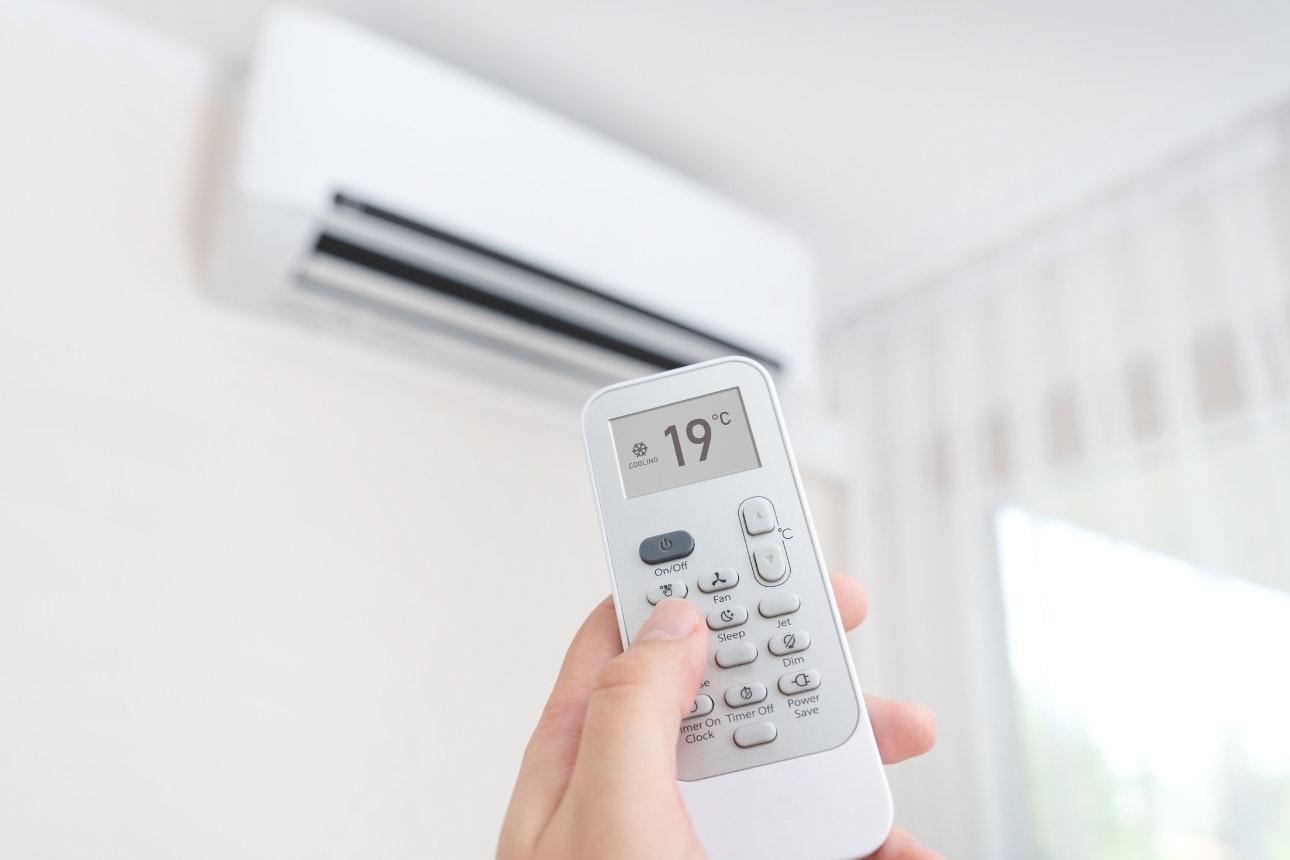
Instead of turning up the temperature on your heat pump when you want to warm up quickly, set it to come on at about 20 degrees before you wake up or come home.
Clean your heat pump filter
If you haven’t cleaned your heat pump’s filter in a while (or ever), you’ll immediately notice the difference once you do. You just need to open the front of the heat pump, slide out the filters and give them a gentle vacuum. This can save you up to $50 a year on running costs. Check out our guide on how to maintain and clean your heat pump.
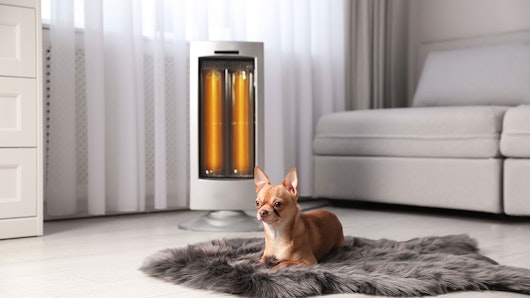
Choose electric heaters with a thermostat and timer
Electric heaters are expensive to run but might be your only option. Make sure you get one with a thermostat to maintain an even temperature rather than continuing to make the room hotter and hotter. With a timer, you can warm up a living area before you get up in the morning or arrive home from work.
Electric heaters that don’t have timers can be controlled with plug-in timers. Timers cost from as little as $10 and are available at most hardware stores. Like with a heat pump timer, programming your heater to come on earlier will reduce the temptation to turn up the heat.
Fans are for winter too
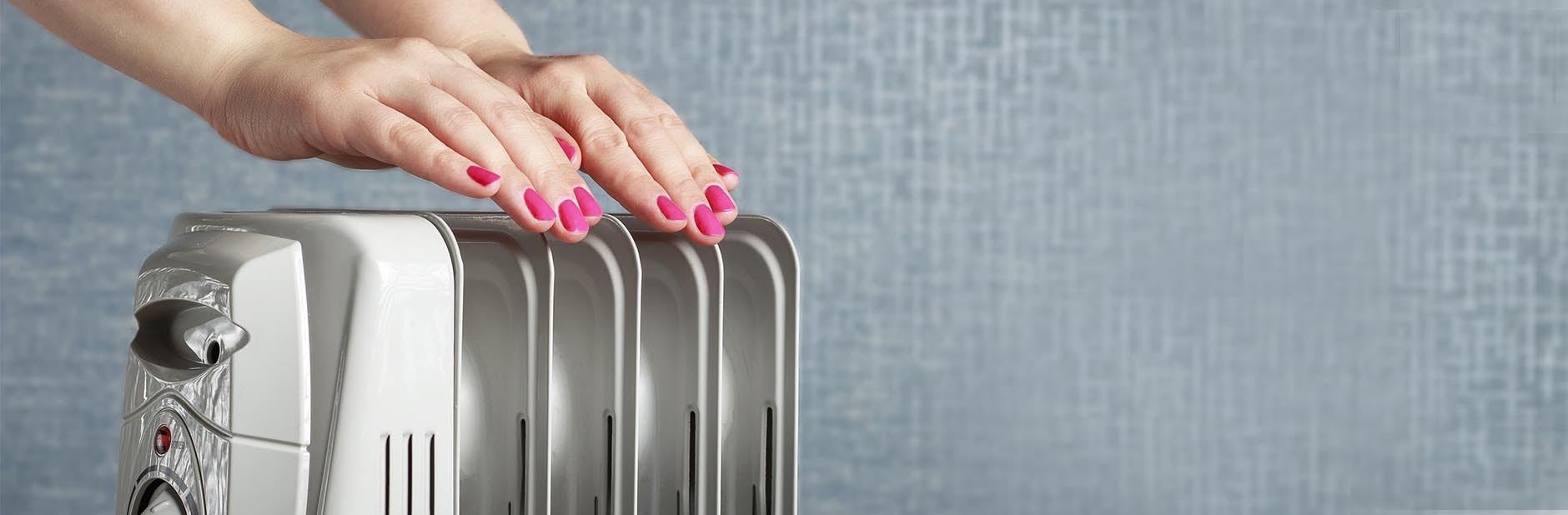
Fan-less heaters (like oil-column models) often distribute heat unevenly. To avoid cold feet and a hot head, place a small fan on the ground beside the heater. We found it helped an oil-column heater warm a room three times as fast.
Get long curtains
Our curtain tests revealed that floor-length, heavily-lined curtains do the best job of keeping the heat in – they’re better than ones advertised as thermal.
Our window blind tests showed that honeycomb blinds do the best job of keeping the heat in. Roman blinds are the next best, followed by roller blinds then, lastly, Venetians.
Open curtains every morning. This makes the most of the sun’s heat. Remember to close them at sundown to keep in the heat. This can save you around $90 per year on your power bill.
Put rolled up towels above curtain rails
It’s not going to do much for the aesthetics of your home, but we found putting rolled up towels along the gap between the curtain rail and the wall increased the curtains’ effectiveness by creating a seal at the top.
Use window film kits to fake double glazing
Installing double glazing will make a big difference to your house but, unfortunately, also to your bank account. If you want the effect without the big bill, you can buy inexpensive DIY window insulator kits from your local hardware store. If you’re not worried about how it looks, there’s an even cheaper way. Use an adhesive putty or double-sided tape to stick bubble wrap to the window to help stop heat escaping in winter.
Get a rug
A rug is a great way to add another layer of insulation, especially if you’ve got wooden or concrete floors.
Use an electric blanket
You don’t need to worry about how much power an electric blanket is using – over a whole winter, it’ll only cost you about $10 in power. Check your electric blanket for damage before the start of winter, especially the power cord near the controller.
Check on your insulation
When was the last time you checked the state of the insulation in your home? Over time, it compresses and starts to lose its effectiveness. Take a look to see how yours is faring. If it’s old and damaged, you can top it up or replace it.
Consider a dehumidifier
A dehumidifier will dry out small spaces. If you already have one, clean out its filter regularly to help it work efficiently. We test dehumidifiers, so you can see which ones do the best job.
Best and worst ways to heat your home on the cheap
Find out the most affordable way to get the heat you need this winter.
Other tips
Switch to LED light bulbs
If you still have old incandescent, halogen or CFL bulbs, look into switching to LEDs. They use far less energy and last much longer. Across your home, that could save you around $100 a year. For more info on switching to LED, check out our guide.
Insulate your hot water cylinder
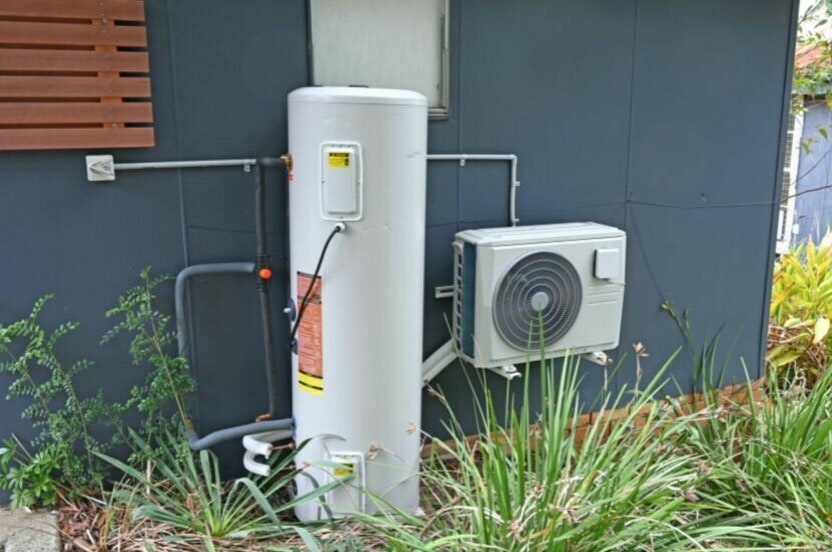
Hot water cylinders made before 2002 aren’t well insulated. Wrapping the cylinder in an insulative wrap will keep in the heat you can feel when you touch it. That means the cylinder doesn’t have to work so hard to get the water up to temperature. You can usually find water cylinder wraps at hardware stores.
Ventilate
Open your windows for 10 to 15 minutes each morning to get free ventilation. If you have a ventilation system, think about when you last changed the filters – it might be time to swap them out.
Choose energy efficient appliances
Energy Rating Labels are included on most major appliances. Check for them before you buy any appliance – the energy rating stars can help you spot which appliances will cost you more in power. More stars mean a more efficient appliance.
Turn off appliances at the wall
Some electrical items can use a surprising amount of power when they’re left in standby mode. Printers are one of those, because they’re always primed to print at a moment’s notice. We’ve calculated they can add $23 a month to your power bill. You can find out more about how much your electrical products cost to use in our article How much power do your appliances use?
Switching unneeded appliances off at the wall, like a second fridge or heated towel rail, can save you $200 or more on your power bill each year.
Consider a smart plug
A smart plug automatically turns things off when they aren’t in use. Smart plugs could be the answer to help save you money.
Use power outside peak times
Some power plans give you cheaper or free off-peak power to encourage you to shift your power use away from the peak times. You could save by moving your major power use to these times. It will also help the country to not have to fire up the gas and coal-powered stations.
Check if you could be paying less for power at our power comparison website, Powerswitch, where we track around 12,500 pricing plans. Switching can significantly reduce costs – last year, the average saving for Powerswitch users was around $400 per year.

How to use less power
Looking for easy ways to lower your energy bill without sacrificing comfort? Our energy-saving guide is full of simple, practical tips you can do at home today.