Which mixer makes baking a breeze?
If you enjoy baking, a food mixer is a handy kitchen gadget. We've tested benchtop and hand-held models to help you find the best performer.
Best food mixers of 2025
If you’re a keen baker, a benchtop mixer (also called a stand mixer) can be a good investment. They make hands-free work of mixing cake batter, kneading dough and beating egg whites.
Light, portable and cheaper, a hand-held mixer is good for smaller jobs like whipping cream. You’ll get the job done faster than by hand, and you can use any sized bowl.

Best large mixer

Best mid-size mixer

Best hand-held mixer
Get access to Consumer & see all reviews
Thousands of expert product/service reviews
Personal support through our Consumer Rights Advice Line
Premium articles and in-depth buying advice
Add a Consumer magazine for even more exclusive content
Which type will suit your needs?
Benchtop food mixers
Bench mixers make light work of mixing cake batter, kneading dough and beating egg whites at the turn of a dial.
Some models also have optional attachments like blenders, mincers and sausage makers, and additional accessories you can buy for making ice cream, rolling pasta, and much more.
Pros
More versatile than a hand mixer
Mixes heavy dough
Hands-free
Cons
Not portable
Expensive
Hand mixers
A hand-held mixer’s a useful kitchen gadget and a must-have for keen bakers. They're light, portable and take up little cupboard space. If you don't want to spend much, a hand-held mixer is a cheap alternative to a benchtop mixer.
Pros
Portable
Can do most beating tasks
Relatively cheap
Cons
Can't mix heavy dough
Not hands-free (unless it comes with a stand)
Bench mixer features
Bowl lock: Gives extra stability during mixing.
Easy release or eject button: Lets you keep your hands clean when you’re removing the beaters.
Spring-loaded tilt-head lock: Makes it easier to lift the mixer head.
A range of speed settings: Allows different speeds for different functions: slow for kneading and folding; light mixing for puddings and muffins; beating or creaming for butter and sugar or heavy batters; whipping and aerating for cream and egg whites.
Splashguard: Prevents ingredients from splashing out of the bowl – and it’s handy for “containing” flour (which has a tendency to make a cloud of dust when added). The splashguard’s chute also makes it easy to add ingredients without having to stop the machine and lift the motor head.
Stainless-steel bowl: More durable than a glass bowl. It should last the life of the mixer.
Single dough-hook: Performs better than twin dough-hooks.
Whisk attachment: Useful for making foamy whipped mixtures or for beating egg whites.
Paddle or “K” beater: Good for mixing cake batter and biscuit dough.
Paddle scraper-beater: This is a paddle or "K" beater with a rubber edge around the rim of the beater. It makes sure all ingredients are thoroughly mixed.
Timer: Useful when recipes specify a length of time for mixing ingredients.
Hand mixer features
Weight: A mixer that’s reasonably lightweight means your arm doesn’t get tired while mixing.
Handle: A comfortably shaped handle with a non-slip grip will make the mixer easier to hold. The on/off switch should be easily accessible.
Non-slip base: A non-slip rubber area on the end of the mixer stops it from sliding on the bench when in standing position.
Electronic controls: These mean the mixer can’t be left switched on and so won’t start operating if plugged in.
A swivelling or rotating cord: This makes the mixer easier to manoeuvre.
Attachments: These need to be a decent length (short beaters limit the size of bowl you can use).
Pulse option: Pulsing gives a short burst of power that can help remove excess mixture from the beaters.
Boost or turbo option: This gives an extra level of power when you need high-speed mixing.
Speeds: Look for at least 5 speeds that are noticeably different.
Tip: Choose a mixer by doing your own “testing”: check how comfortable it is to hold and whether the controls are easy to use.
People's Choice
Our People's Choice awards are granted to brands that consistently rate above average for customer satisfaction and meet out other performance criteria. Become a member and see which brands have earned a People’s Choice award.
Was this page helpful?

8 ways to save on insurance
The slowest and fastest clothes dryers
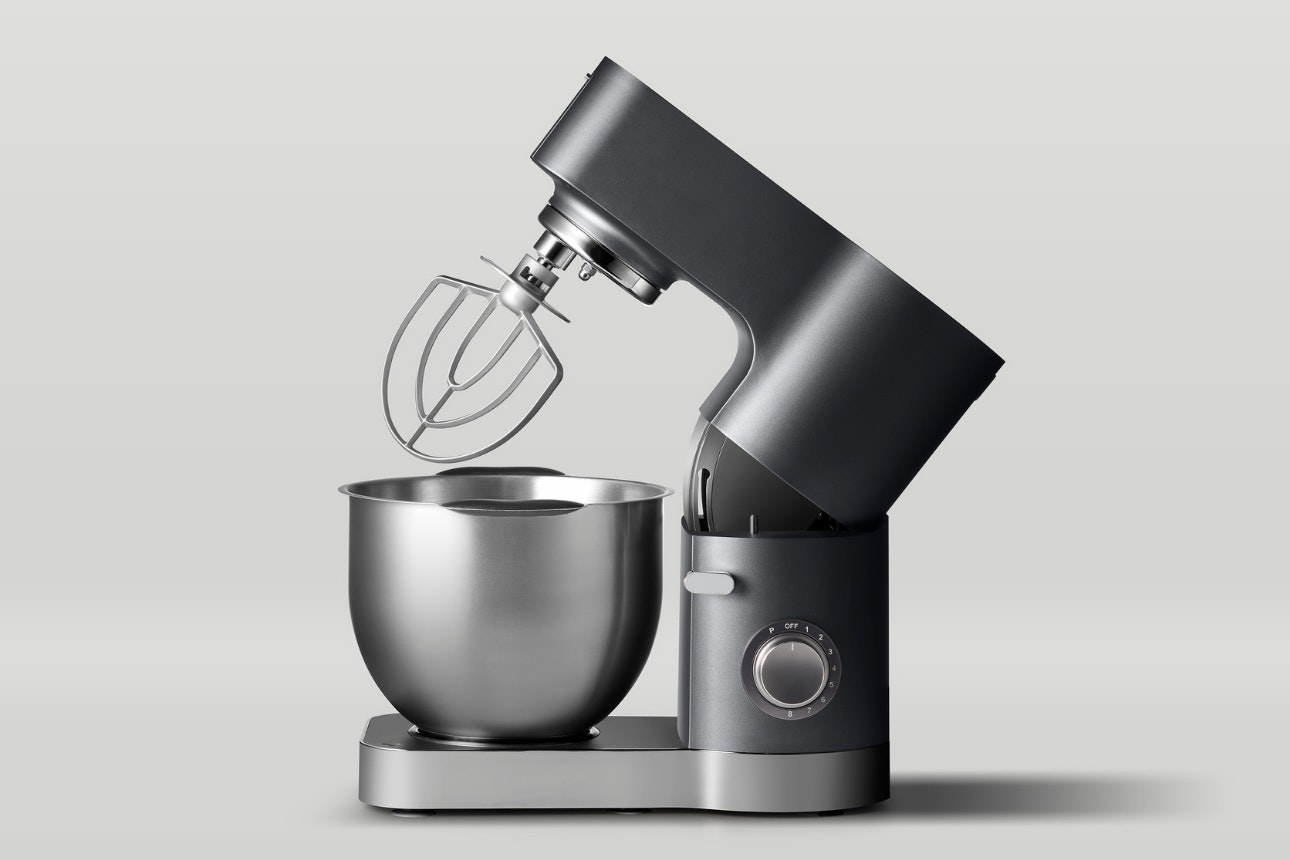
Avoid these 4 food mixers if you like to bake