The faster your life, the better a slow cooker looks.
Slow cookers are useful for busy people: you fill the bowl with ingredients, switch it on and leave it to do its thing. We’ve tested a range of models, including some multi-cookers.
To be classified as a multi-cooker in our test kitchen, a product must be able to pressure cook as well as slow cook. The pressure-cooking function uses pressure to tenderise the meat so you’ll get a dish that’s usually slow-cooked done double quick. They also double-up as a rice cooker.
Best slow cookers and multi-cookers of 2025
Whether you’re after a basic slow cooker, or a versatile multi-cooker that pressure cooks as well, our expert picks have you covered. Whether it’s size, versatility, budget or performance, find out which slow cooker or multi-cooker is best for you.

Top-performing slow cooker

Top-performing multi-cooker

Best budget slow cookers

Best People’s Choice multi-cooker
Get access to Consumer & see all reviews
Thousands of expert product/service reviews
Personal support through our Consumer Rights Advice Line
Premium articles and in-depth buying advice
Add a Consumer magazine for even more exclusive content
Things to consider when choosing a slow or multi-cooker
Size: a 5 to 6 litre cooker gives a useable volume of 4 litres — a good size for large groups. For 1 or 2 people, 3.5 litres (2 litres useable volume) is enough.
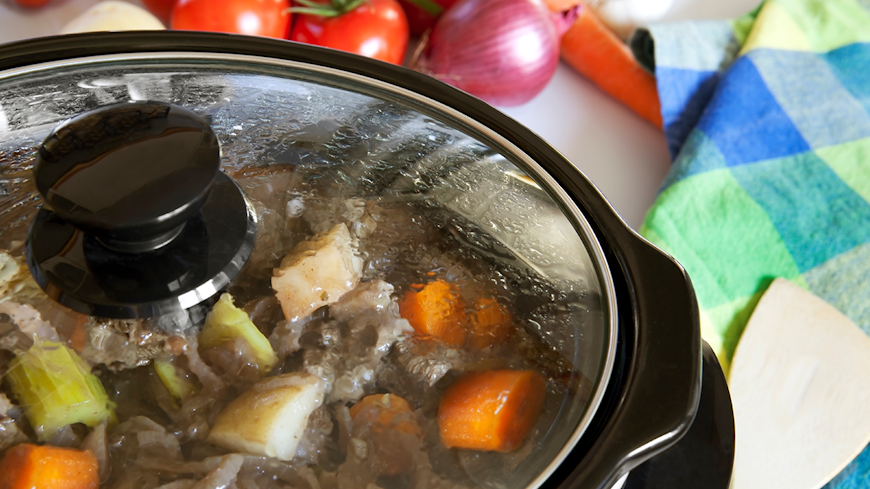
Glass lid: makes checking easy. It allows you to check progress without lifting the lid.
Searing function: Slow cookers produce moisture as they cook, which means sauces can end up watery and lacking flavour. Slow or multi-cookers with non-stick metal pans or a built-in searing feature allow you to brown the meat (which produces better flavours) before the slow cooking starts. And at the end of cooking you can turn up the heat or transfer the pan to the stovetop to reduce the liquid and concentrate the flavours — all without creating extra dirty dishes. You’ll pay more for this feature, but you’ll get a more versatile appliance.
Functions: Some cookers can also steam, cook rice, bake or make yoghurt.
Bowl shape: a round pot is fine if you plan to cook only stews and curries, but an oval cooker allows you to cook longer cuts of meat such as lamb shanks or roasts as well.
Settings: Low gently simmers food for a long time. High cooks over a shorter time, although the food may need stirring to improve the flavour and you may have to add water. Warm is for keeping the food at serving temperature – but you shouldn't use this setting for more than 4 hours. Auto cooks food on "high" for a while, then switches to "low".
Multi-cooker features to look for
Pressure settings: more than one setting allows you to adjust the time it takes to cook different dishes. The higher the pressure, the quicker the cooking time.
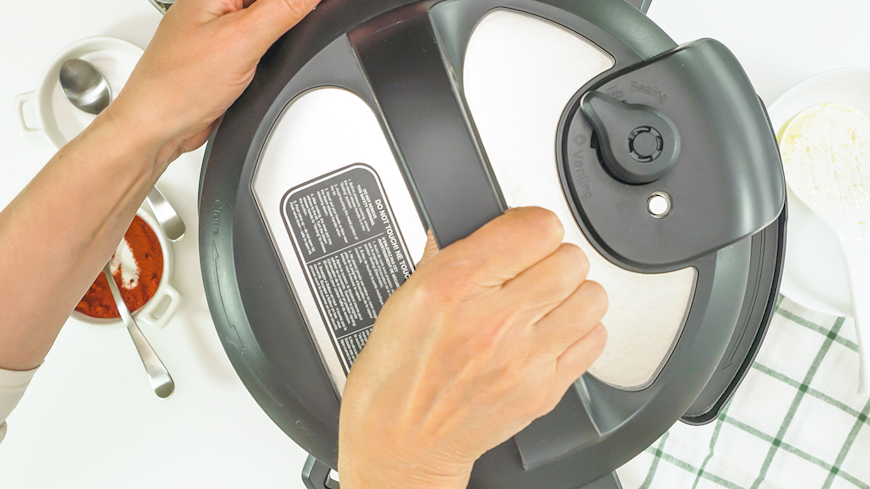
Pressure-release valve: a valve you can turn to release steam. It means you don’t have to bother cooling the cooker before you open it.
Pressure-regulator valve: controls the rate at which steam vents out of the cooker and the degree of pressure inside the cooker.
Downsides to multi-cookers
We found all the tested models fiddly to clean, with areas where food particles can get trapped.
None of the cooking bowls have handles (which makes it difficult to stir food or remove the bowl without using an oven mitt).
They all take up lots of room in your kitchen cupboard.
Which brand is most reliable?
We ask thousands of Consumer members about their products to find out which brands are most reliable and satisfying to own. The results are available to members and Digital Pass holders.
Tips for using your slow or multi-cooker
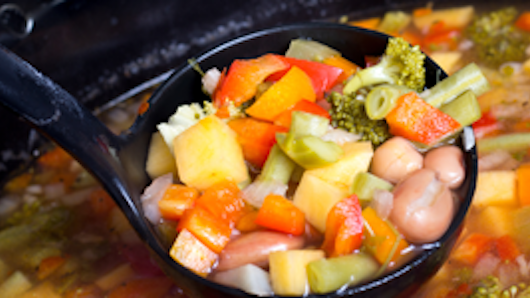
We explain what you need to know to cook safely when using a slow or multi cooker.