By Belinda Castles
Researcher | Kairangahau
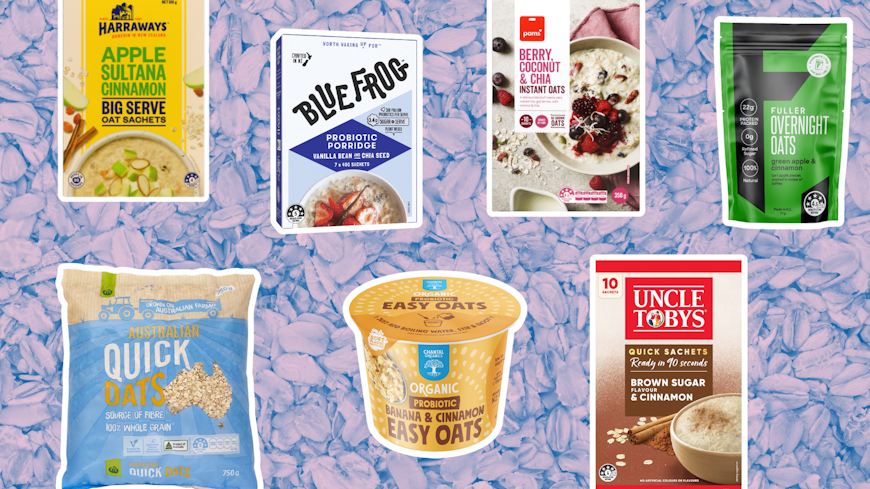
Instant porridge sachets and bowls promise a quick, warming breakfast with a healthy dose of fibre. But our supermarket survey found that convenience can come with extra sugar, less oats and a much higher price.
When I was a kid, porridge was porridge. The different types you could get simply reflected how the oats were processed – rolled or steel-cut, for example. We cooked it in the pot or microwave. To be fancy, we might add a few raisins to the mix.
Today you can buy gourmet flavours of porridge, such as maple and maca, in sachets or single-serve bowls, which you either microwave or prepare by pouring boiling water over.
We compared 25 single-serve instant porridge products, looking mostly at their nutritional value, including sugar and dietary fibre.
At a glance
Sugar: Some products are loaded up with sugar: up to one-fifth their total weight.
Price: Convenience costs. On average, it’s over three times more expensive to buy single-serve products than to make porridge yourself.
Oats content: The percentage of oats in these products ranged from 52% to 100%.
Origin: If you want to buy products made with local oats, check the packaging. Many packets state where the oats were grown. (We’ve noted this information in our table.)
Instant oats come in different portion sizes – we saw a range, from 35g to 71g. To keep it consistent, we’ve given nutrition information per 100g, rather than comparing the listed “per serving” amounts. If you’re comparing labels at the supermarket, keep this variation in mind.
3 of the healthiest instant oats we found
3 of the least healthy instant oats we found
Sugar-filled sachets
Plain oats are healthy, as long as you don’t add lashings of brown sugar to your bowl. Many of the single-serve sachets in our survey provide a sizeable sugar hit.
Nine products we assessed contained about one-fifth sugar or more. In some cases, the sugar comes from fruit, but sugar is also usually the second-largest ingredient in these products.
Despite being high in sugar, these super-sweet products still get four health stars. That’s because of the way the stars are calculated: a product high in sugar can still get a good rating if it’s high in fibre and low in saturated fat and sodium.
Products high in sugar tend to have less oats. For example, one of the products in our least-healthy list above is 68% oats and 29% sugar.
The cost of convenience
You’ll pay a premium for convenience oats. The products in our survey ranged in price from $1.37 to $7.03 per 100g. But you can buy regular rolled oats for less than 40 cents per 100g.
There’s also the environmental cost of packaging. Many of the products we assessed came in a recyclable cardboard box, but the single-serve sachets themselves will probably need to go in the bin.
Some products claim their single sachets can be recycled – check the packaging in each case to find out.
How healthy are oats?
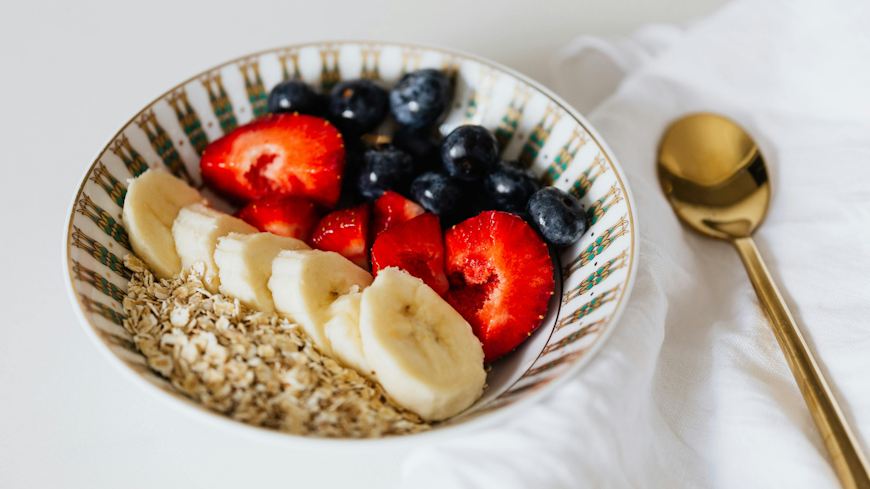
Oats are good for you. Whether chopped up (steel-cut) or rolled thin (quick-cook), they’re high in fibre and low in saturated fat, sugar and sodium. They’re also packed with B vitamins, vitamin E and minerals such as magnesium and zinc.
Registered dietitian and Health Coalition Aotearoa food expert panel member Emma Shields told us that eating plenty of fibre-rich foods (especially wholegrains such as oats) helps protect against bowel (colorectal) cancer.
“Fibre increases the size of your poo, dilutes it and help move it through your system quicker. Fibre also helps keep the gut healthy by feeding good bacteria,” she says.
Oats are also rich in beta-glucan, a soluble fibre that helps keep your blood cholesterol down. The Food Standards Code permits products containing at least 1g per serving of beta-glucan from oat bran, wholegrain oats or wholegrain barley to make a health claim that beta-glucan reduces blood cholesterol. Some products in our survey made this claim.
Shields says that not all porridge oats are created equal. The way oats are processed and cooked affects how quickly we digest them and their glycaemic index (GI) – a measure of how quickly a food increases blood glucose levels.
“The bigger the oats and the less cooked they are, the greater the health benefit. Quick or instant oats are quicker to cook, but also quicker to digest, so have a higher GI, which raises blood glucose levels faster – something people with diabetes need to consider.”
Shields advises people to opt for rolled or steel-cut oats whenever they can and consider ways of eating them uncooked. For example, you can lower the GI of oats by soaking them in milk overnight (to make a breakfast known as overnight oats or Bircher muesli).
“When it comes to your bowl of hot, creamy porridge, try boosting the protein to keep you fuller longer by adding a dollop of peanut butter or plain yoghurt, or whisking through an egg for a custard-like consistency.”
Different types of oats
If you want to explore the cheaper, sometimes healthier oat options outside instant porridge sachets, here’s a quick guide.
Rolled oats (traditional oats) are made by hulling then steaming oat grains, pressing them between rollers and drying them. They take about five minutes to cook on the stove, or three minutes in the microwave. They have a lower GI than quick oats.
Quick oats have been pressed thinner than rolled oats, so the porridge they create is smoother and cooks faster. They have a higher GI than rolled and steel-cut oats.
Steel-cut oats are produced by removing the outer husk of whole oat groats then cutting them into pieces using steel discs. Steel-cut oats take about 20 minutes to cook; if you soak them overnight they’ll cook faster. These oats have a nuttier flavour than rolled or quick oats, and a chewier texture. They have a lower GI than quick oats.
What about gluten-free options?
Oats don’t contain the same gluten-containing protein as wheat, barley and rye do. But they do contain avenin, which can cause gut damage for about 8% people with coeliac disease. Coeliac New Zealand advises people with coeliac disease to avoid oats, because there’s no way of knowing if avenin will affect you without doing a gastroscopy or biopsy.
If you’re following a gluten-free diet but don’t have coeliac disease, oats are probably OK to eat. However, some brands are processed in factories that also produce gluten-containing products, so there’s a risk of cross-contamination. This can also occur if oats are grown close to other crops.
You can buy oat-free porridge cereals, but we haven’t included these in our survey.
Products compared