A popular sweet treat hit by shrinkflation, a sector earning billions while its customers struggle, a $1,399 espresso machine that makes a bad-tasting brew and a health insurer with a pitiful net satisfaction score have been named in Consumer’s 2026 Yeah, Nah Awards.
Consumer NZ chief executive Jon Duffy says the annual awards expose products, services and industries that have let New Zealand consumers down.
“Our whole purpose is to inform, advise and stand up for consumers. If we don’t call out the letdowns, who will?”
2026 Yeah, Nah Award “winners”
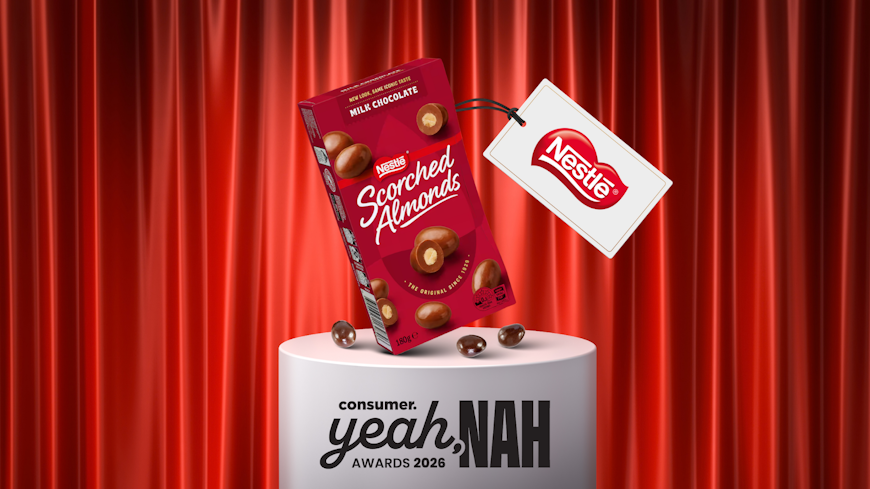
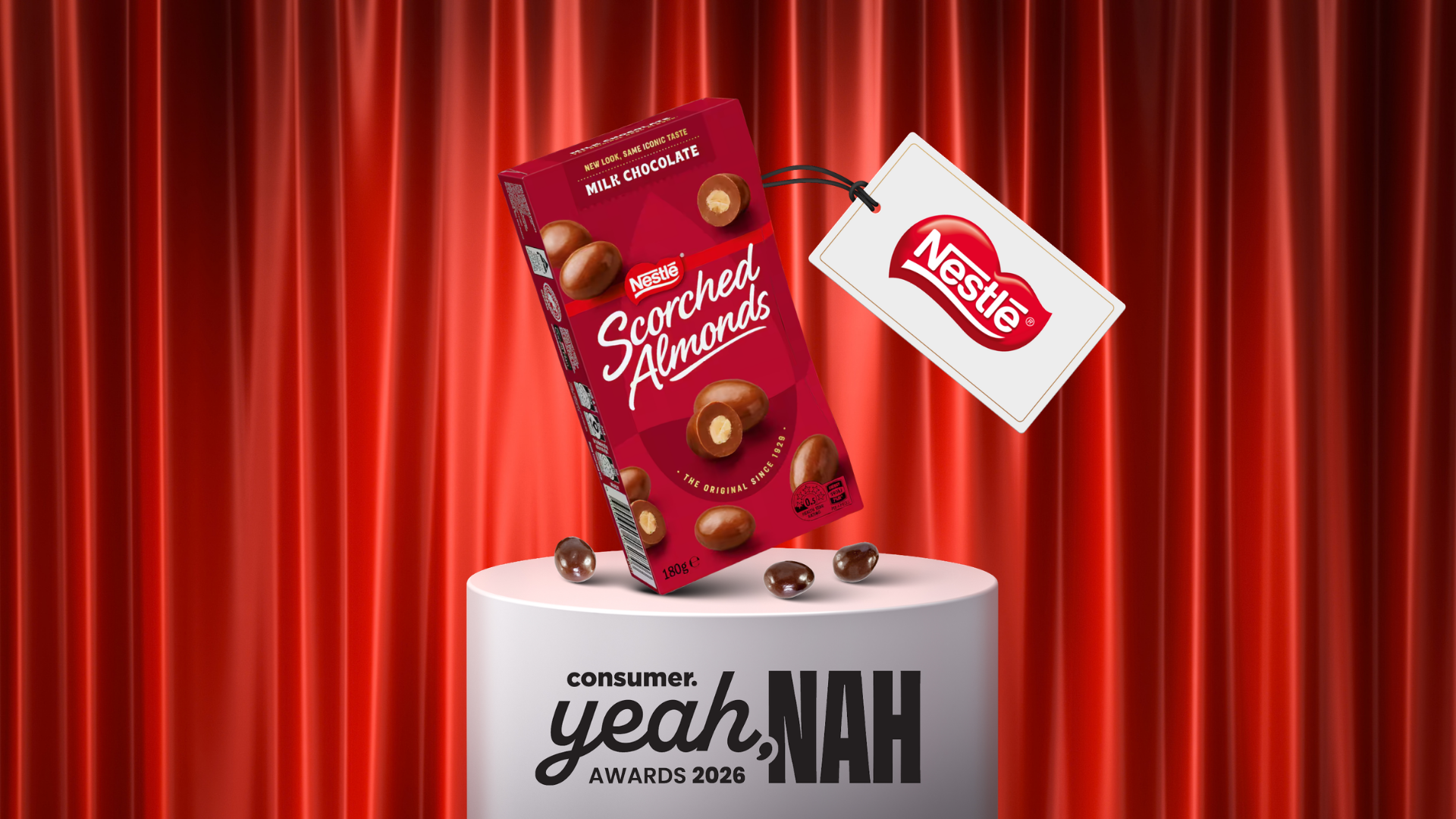
“Scorched by Shrinkflation” Award – Nestlé Scorched Almonds
For shrinking the “perfect little gift” by 25% but only dropping the price by 11%
A Consumer staff member noticed that Nestlé Scorched Almonds had shrunk, and a member of the public flagged the same thing. The pack has dropped from 240g to 180g, but the accompanying price cut doesn’t add up.
“Shrinkflation is a regular source of complaints, and this product stands out as one of the most significant examples we’ve seen,” Duffy says.
Nestlé told Consumer the product’s change in size, implemented in May 2026, was part of its broader efforts to manage cost pressures while continuing to offer consumers a quality product at a competitive price.
The RRP of the packet has decreased from $10.70 for a 240g box to $9.50 for a 180g box.
“We did the maths: the product has shrunk by 25%, while the recommended retail price has fallen by only 11%,” Duffy says.
“When you work out the unit price, it means Scorched Almonds now cost a whopping 18% more per 100g, which is nuts! An absolute shocker of a shrinkflation example.”
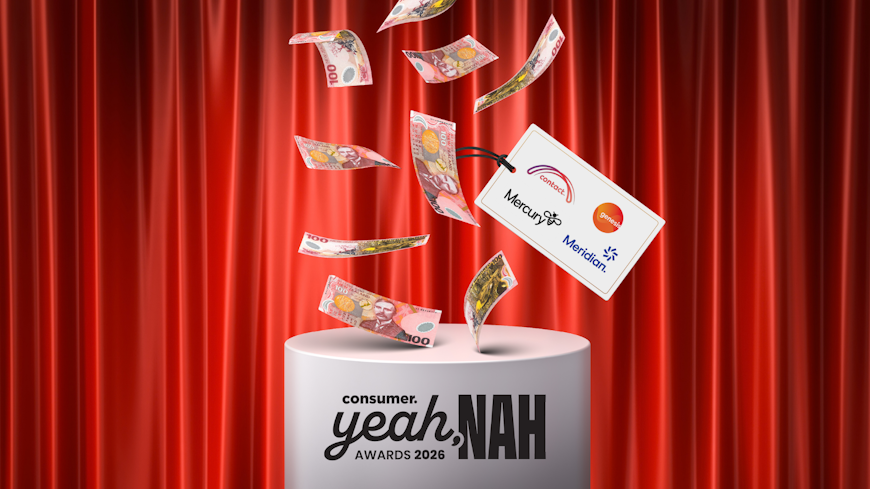
“Power trip” Award – the electricity market
For raking in record earnings while people struggled with their power bills
While a quarter of households struggled to pay their power bills and satisfaction with the energy sector continued to slide, the combined annual earnings of Contact, Meridian, Mercury and Genesis reached a record $3.6 billion – more than $1 billion higher than in 2025. Their combined annual net profit was $959 million.
“Power bills have risen 20% in two years, and, in 2026, business is booming for the major players in the electricity sector,” Duffy says.
“When you’ve got the OECD finding that wholesale power prices in New Zealand are uncomfortably high, far higher than countries with similar renewable energy systems – at the same time that every consumer energy hardship indicator is moving in the wrong direction – there’s no question that the sector is broken.”
For the first time in over a decade, no electricity retailer won Consumer’s People’s Choice Award.
But the sector isn’t going entirely without Consumer’s recognition this year.
Customer satisfaction is falling, hardship is rising and gentailer earnings are soaring – making the electricity sector a clear winner of the “Power Trip” award.
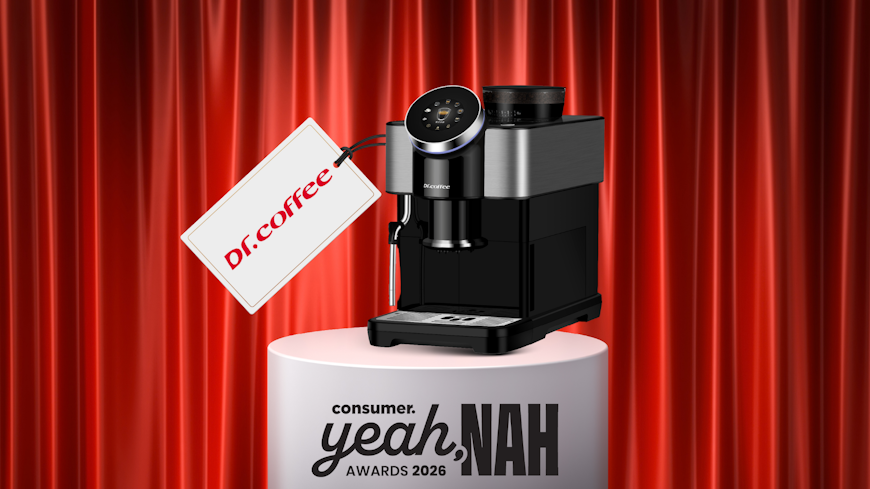
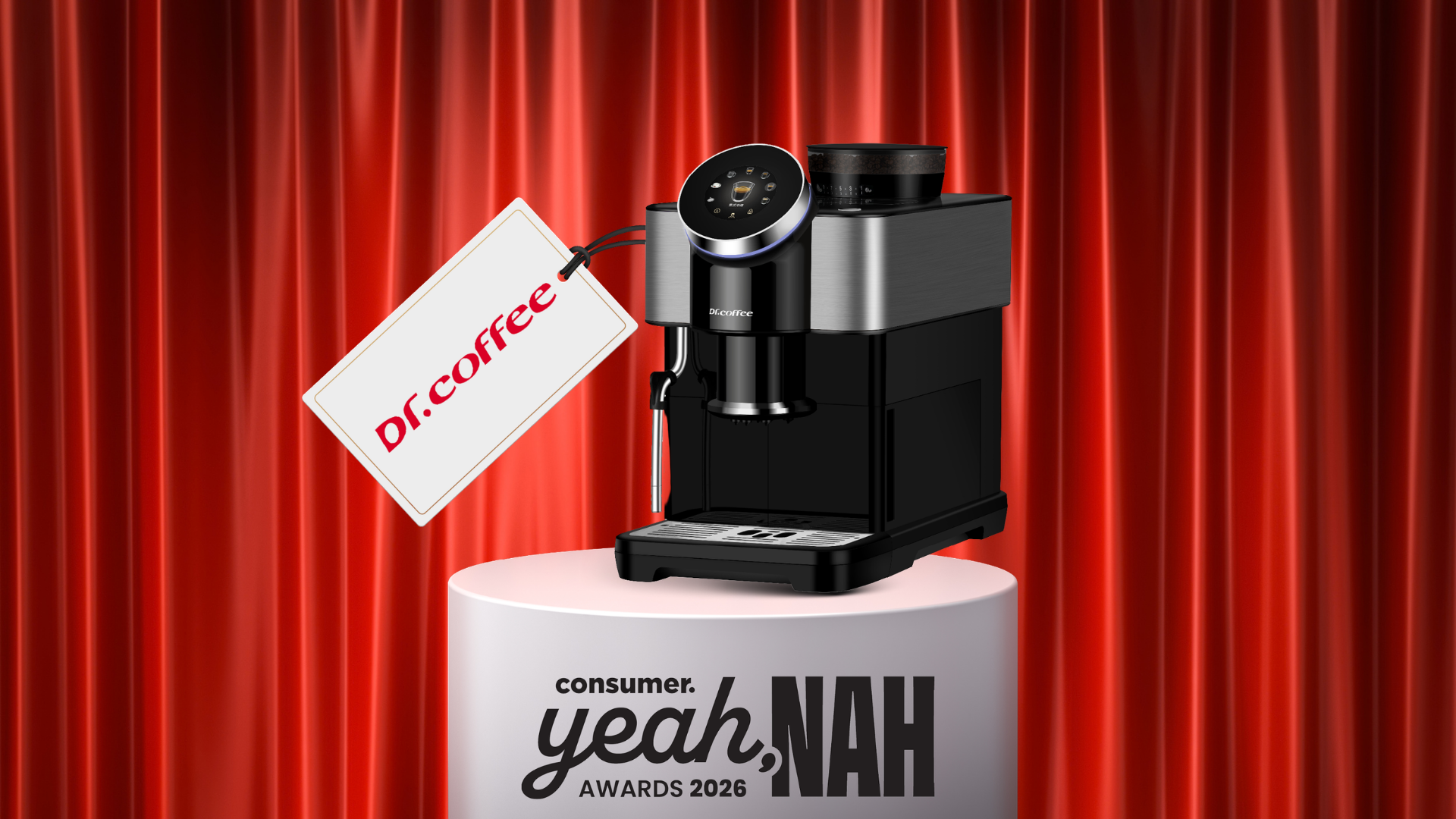
“Grounds for Divorce” Award – Dr. Coffee H1 automatic coffee machine
For a home espresso machine whose coffee isn’t worth getting out of bed for
Consumer enlisted expert baristas to blind taste-test coffee from more than 100 espresso machines.
They gave the Dr. Coffee H1 a lowly 30 out of 100 for taste – the lowest score of any model tested – saying it was lacking in flavour, aroma and mouth-feel.
The coffee machine’s overall score of 53 also put it at the bottom of the table. Three other machines received the same score, but the Dr. Coffee model costs over $1,000 more than its equally lacklustre competitors.
“At $1,399, this is far too much to pay for a machine that produces a bad-tasting brew,” Duffy says.
“Sick of It” Award – nib health insurance
For a health insurer in need of a customer service check-up
nib recorded the lowest customer satisfaction rating of any service provider across every sector Consumer monitors. Its net satisfaction score (percentage of satisfied customers minus percentage of dissatisfied customers) was just +1, and more than a third of customers said they had experienced a problem with the health insurer in the past three years.
Consumer conducts customer satisfaction surveys across many sectors – banking, insurance, KiwiSaver, energy, mobile phones and internet service providers.
“We found that even the businesses with the unhappiest customers in other sectors scored significantly higher than nib health insurance,” Duffy says.
The next-lowest result came from Chubb/ANZ life insurance, with a net satisfaction score of +27, 26 points higher than nib’s score of 1.
nib’s customers noted several specific issues: low value for money, lack of clarity about policy cover and exclusions, lack of communication and unsatisfactory customer service.
“With satisfaction this low, we prescribe nib a healthy dose of customer-service training, along with a check-up of its pricing,” Duffy says.
From Yeah, Nah to Hell, Yeah: Past winners that changed course
Some previous poor performers have taken action since receiving a Consumer Yeah, Nah.
Westpac was one of the first Yeah, Nah Award winners, receiving the “Grave Disappointment” award in 2024 after its life-insurance product recorded the lowest customer satisfaction score across Consumer’s surveys.
“Westpac pledged to make improvements, and I am pleased to say that its customer satisfaction score has improved significantly,” Duffy says.
When Westpac received the Yeah, Nah, its life insurance product had a net satisfaction score of –3. The following year it jumped to +31, and it then climbed further to +34.
“This is great news for Westpac and its life-insurance customers."
After receiving a Yeah, Nah in 2025 for its pricing practices, Harvey Norman undertook to improve some promotional labelling.
“Our team has been price-tracking for a Black Friday investigation, and we’ve noticed marked improvement in Harvey Norman’s promotional language,” Duffy says.
Barkers menswear also received an award last year for an online returns policy that risked misleading consumers about their rights. In response to Consumer’s findings, Barkers said it would fully review its returns policy.
“We are pleased to see Barkers’ online returns policy has had a significant overhaul,” Duffy says.