By Ruairi O'Shea
Former Investigative Writer | Kaituhi Mātoro
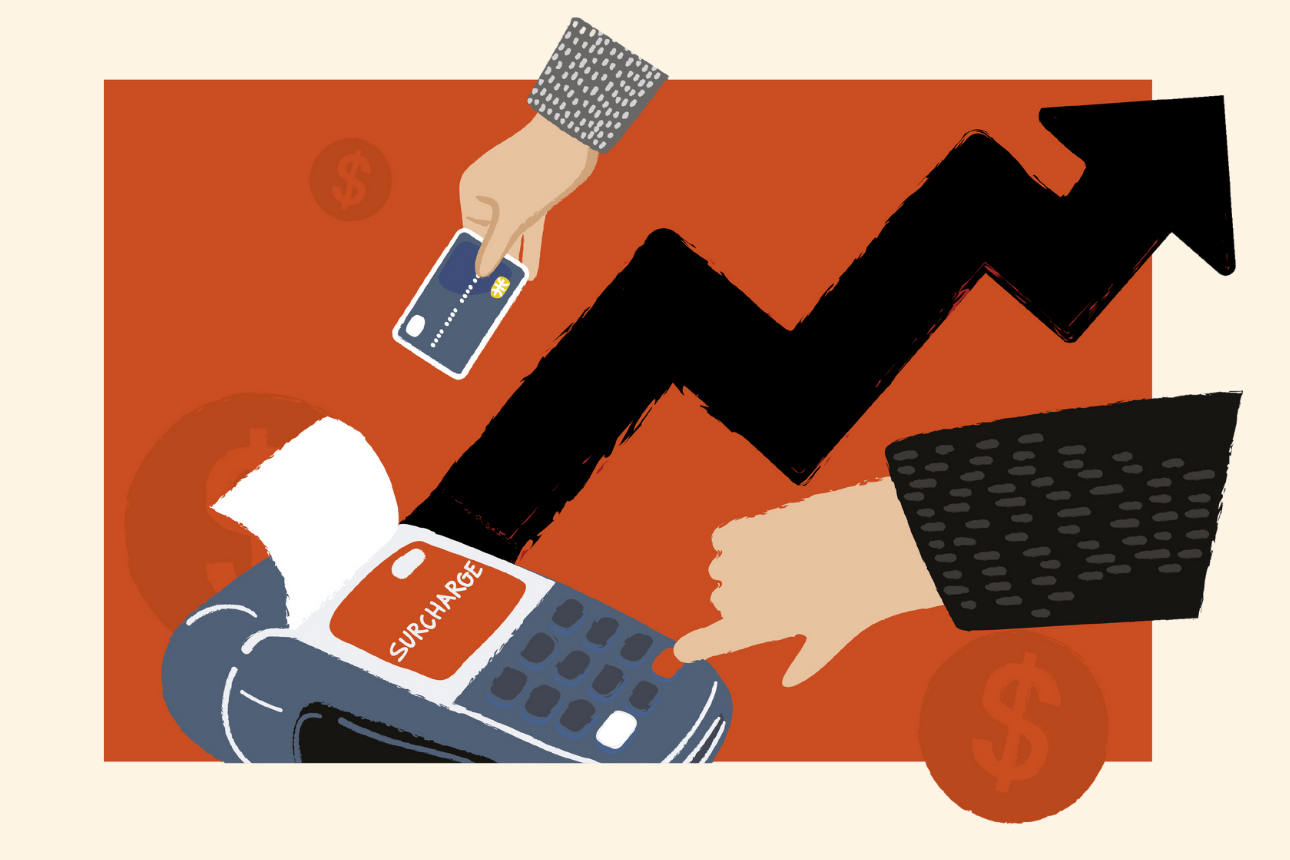
Consumer NZ says New Zealanders are paying too much to use debit and credit cards, and surcharging in Aotearoa has become a national embarrassment.
The Commerce Commission (the Commission) estimates New Zealanders are being charged approximately $45 million to $65 million a year in excess surcharges. It plans to investigate regulating surcharges but is first considering simplifying and lowering interchange fees – one component of the fee businesses pays for accepting card payments. Reducing interchange fees is expected to save businesses around $260 million per annum.

Our view
Consumer NZ agrees with the Commission that New Zealanders are paying too much to use their debit and credit cards and supports further regulation of interchange fees.
However, our primary concern is with dodgy surcharging practices, which are pervasive throughout New Zealand.
The Commission also feels excessive surcharging needs to stop. It defines excess surcharges as any surcharge that is higher than the average merchant service fee businesses pay for in-person transactions. In 2024, the Commission reported the average surcharge imposed by merchants was approximately 2%, but the average fee paid by merchants to accept card payments was only 1%. At this rate, New Zealanders are paying around $45 million to $65 million in excess surcharges. Mastercard estimates the figure to be more than $90 million per annum.
Although we are pleased the Commission has finally recognised this is an issue, we are calling for it to make the regulation of surcharging a top priority.
While the Commission has identified some options for addressing surcharging issues – such as setting up a maximum surcharge rate or requirements to display average service fees – we are disappointed it isn’t considering a ban. In our view, banning surcharges is the simplest and most effective way of sorting out the mess. Surcharges are banned in the United Kingdom and the European Union, and a ban is also being considered in Australia. We’re calling on the Commission to consider this as an option for New Zealand too.
The Commission targets interchange fees
To tackle the high and complex costs businesses face for accepting card payments, the Commission has proposed to further regulate interchange fees.
Interchange fees represent 60% of the merchant service fees businesses pay for accepting Mastercard and Visa payments. By simplifying and reducing the interchange fees charged by these card payment services, the Commission hopes both businesses and consumers in New Zealand will save money.
The problems with the current interchange fees
The Commission has identified two problems with interchange fees, with negative outcomes for both businesses and their customers.
Interchange fees are too high
According to the Commission, interchange fees are currently set at levels that mean merchants are paying higher fees than necessary for Mastercard and Visa payments.
These fees – which are higher than in the European Union, the United Kingdom and Australia – are then passed onto consumers – either as a surcharge or in the price of the goods or services.
Interchange fees are too complex
In addition to being too high, interchange fees are also too varied and complex, according to the Commission.
Fees for card payments differ based on whether they are made via debit or credit cards, contactless, using a PIN number, or online or whether cards are commercial or issued by a foreign bank. The Commission reports there are over 150 possible combinations of category and card type for each of Mastercard and Visa, which dictate the interchange fee that a merchant will pay.
It makes it very difficult for merchants to incorporate the costs associated with payments into retail prices or to surcharge appropriately.
The Commission also identifies this complexity as a barrier to competition, with merchants finding it difficult to compare the costs of interchange fees when choosing their bank.
The Commission’s proposed solution
To address the problems caused by interchange fees, the Commission has outlined plans to simplify and lower interchange fee caps.
Interchange fees for in-person payments made by domestic debit card will not change.
The cap on interchange for payments made using domestic debit cards online and domestic credit cards both online and in person are set to be reduced significantly.
New caps will be introduced on interchange fees for payments made via commercial credit and foreign-issued cards.
The Commission expects the benefits of its proposed regulatory changes to be passed through to consumers. But without surcharge regulation, Consumer NZ is concerned the Commission has no way to ensure these savings are passed onto consumers.
If you’re sick of being stung by hidden, excessive and unavoidable surcharges, ask the Commission to consider a ban on surcharges. Before 18 March 2025, complete this online submission form.

No more sneaky fees
Businesses should be upfront and honest about how much their products and services cost.
Comments
Was this page helpful?
Related articles
The surge in surcharges: why are we paying so much?

New Zealand left behind by rest of the world on payment technology

Credit cards: the best interest rates, fees and rewards in 2026