By Chris Schulz
Former Investigative Journalist | Kaipūrongo Whakatewhatewha
This article appeared in the spring 2026 issue of Consumer magazine.
If you already have a mortgage, many banks offer clean energy loans for purchases of electric vehicles (EVs), e-bikes, solar panels and other sustainable energy upgrades. We unpack how those loans work.
On this page
Six weeks ago, once the boxes were unpacked and the appliances plugged in, my family assessed the energy needs of our new home.
We’d moved into a bigger house, with lots more space, but also larger energy requirements. That included gas hot water heating – typically considered an expensive option for meeting a family’s hot water needs.
Along with a monthly rental fee of $13, the gas cylinders cost us $149 each to refill. We estimated we’d use one per month. But we’d been advised that switching to a hot water heat pump – a reasonably new technology that’s gaining traction in Aotearoa – could bring our hot water costs down to under $20 a month.
We sized up a clean energy loan with our bank and discovered we could access the money we needed to cover the costs of a hot water heat pump at 0% interest for 5 years. At $5,777, that meant weekly repayments of around $25 – far less than what we predicted we’d spend on gas.
Signing up for the loan was relatively easy, and installation only took a day. A heat pump now sits proudly on the side of our house. We tweaked its app settings, so the pump only heats our water during off-peak power periods, saving us even more money. The gas contract has been cancelled and the bottles taken away.
Over the pump’s lifetime, the savings could be huge. A recent report from Rewiring Aotearoa suggests the average New Zealand home using gas appliances and petrol vehicles misses out on $7,600 per year in energy savings, compared to a home with electrified appliances and vehicles and a solar and battery system.
The report suggests an all-electric home is $3,000 better off per year, and $45,000 better off over 15 years, when all costs are included.
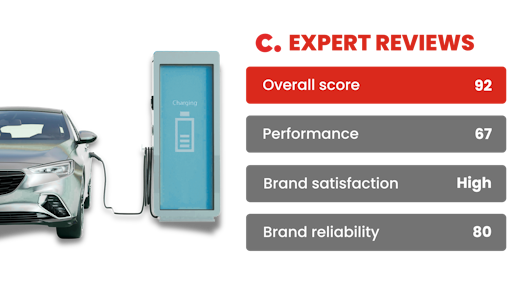
Find the best electric or hybrid car
We've independently tested more than 39 models from 22 brands to help you avoid an expensive mistake.
How the loans work
Clean energy loans are offered by every major bank and can be used to cover the cost of buying a new EV, charger, e-bike, solar panels or batteries, or making sustainable improvements to your home, like heating, insulation, ventilation or drainage.
Each bank offers differing amounts, with different terms and conditions attached to the loan. The big things to watch out for are the interest rate and the amount of time you have to pay your clean energy loan off. If you take longer than the agreed time, you may find your low or 0% interest rate suddenly balloons to a much higher variable home loan rate.
Below, we’ve looked at the clean energy loans offered by some of Aotearoa’s biggest banks to see how they compare. If you’re considering taking out a clean energy loan, you may also want to consider the results of Consumer’s 2026 best and worst banks survey.
If you’re looking to spend less on power, check out our new Electrify Your Home Calculator: it helps you work out which energy upgrades could save you the most money.