By Belinda Castles
Researcher | Kairangahau
This article appeared in the spring 2026 issue of Consumer magazine.
Food packaging can be crowded with bold claims about nutrition and ingredients. Health star ratings are a shortcut to making healthier choices – but there’s more to using them than simply picking the product with the most stars.
What are health star ratings?
Health star ratings (HSRs) give at-a-glance information about a packaged food’s overall nutritional value. They’re a calculation of “positive” nutrients and ingredients (dietary fibre, protein, fruit and vegetable content) and “negative” nutrients (energy, saturated fat, total sugars, sodium) per 100g or 100ml of food.
They range from 0.5 to 5 stars, with more stars suggesting a healthier choice. We think the star rating is a useful guide that should be on all food labels to help you choose healthier products. But there are a few things to keep in mind when you’re shopping.
Here are our tips for getting the most out of HSRs.
Compare like with like
The HSR system uses different scoring thresholds for different categories of food, such as milk and dairy beverages and oils and oil-based spreads. The rating tells you how healthy something is compared to other products in its category, not compared to all foods.
For example, Woolworths sunflower oil and Kellogg’s Just Right breakfast cereal both have a 4-star rating, even though they are nutritionally very different.
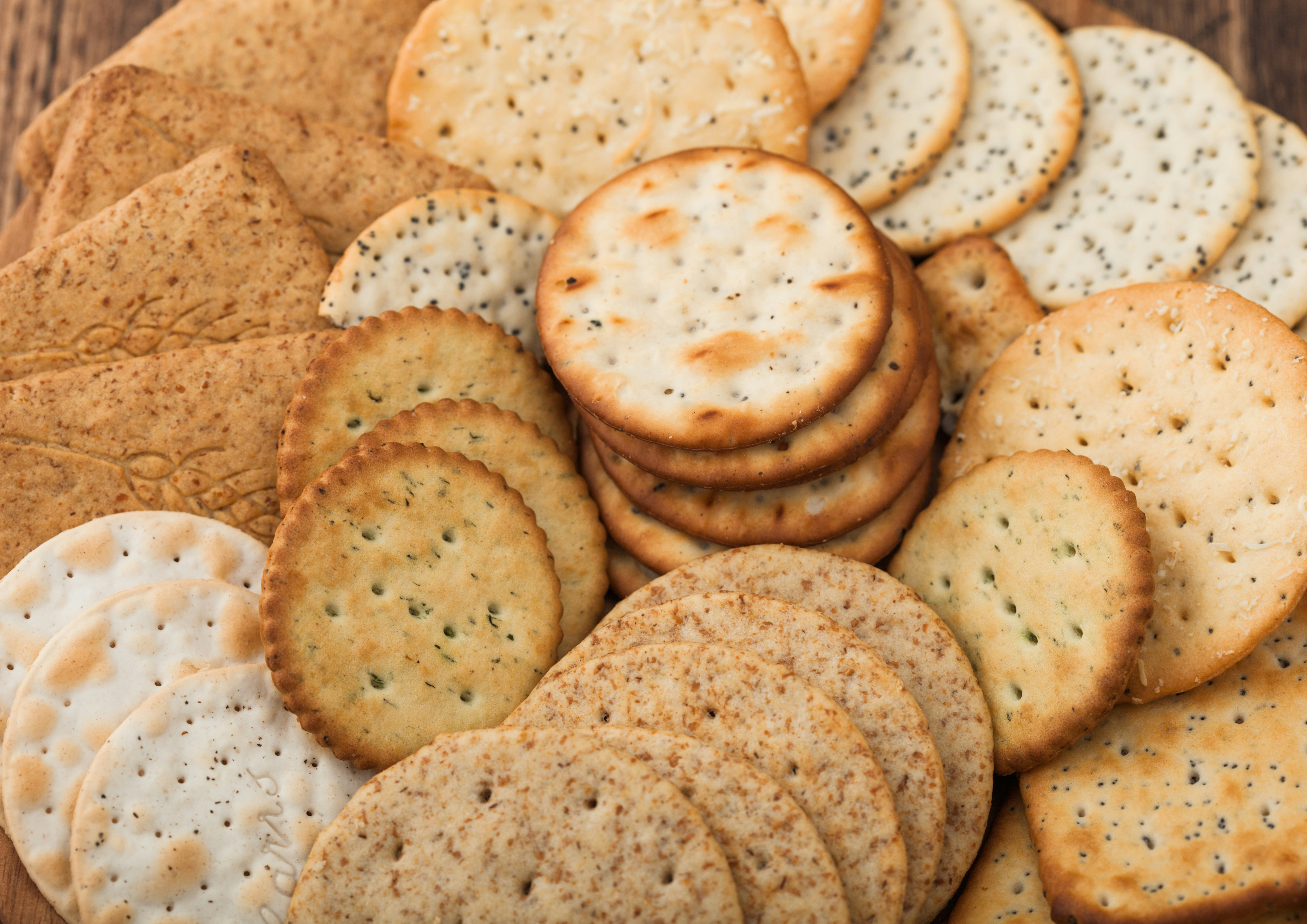
That’s why you should use HSRs to compare similar foods from the same product group – for example, to buy a healthier cracker.
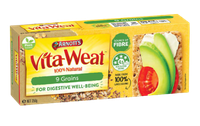
Arnott’s Vita-Weat 9 Grains – 4.5 health stars
Energy: 1,720kJ/100g
Saturated fat: 1.3g/100g
Dietary fibre: 13.6g/100g
Sodium: 426mg/100g
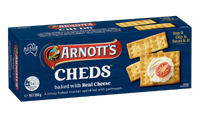
Arnott’s Cheds – 1.5 health stars
Energy: 2,110kJ/100g
Saturated fat: 6.9g/100g
Dietary fibre: 3g/100g
Sodium: 901mg/100g
Be aware that foods high in sugar or sodium can still get a high HSR
Recent research found one in five New Zealanders don’t trust HSRs. Why? Many respondents said they don’t agree with the overall HSRs given to some foods and drinks.
This is a downside of the “at-a-glance” system – while it’s great to have a single, easy-to-understand rating, the simplicity of HSRs means that high scores in some areas can offset low scores in others. For example, Kellogg’s Nutri-Grain gets 4 stars, despite being nearly one-quarter sugar, because it’s low in saturated fat and a source of fibre and protein.
If you’re trying to cut back on a particular nutrient, check the nutrition information to compare products.
Keep eating whole foods
HSRs can help you make healthier choices between similar packaged foods, but they aren’t intended to replace healthy eating guidelines, such as eating plenty of fruit and vegetables.
Unpackaged fruit and vegetables won’t have HSRs displayed on them. Packaged ones with no added ingredients, such as frozen or chopped veges, automatically score 5 stars. If there’s sugar, fat or salt added, they will score lower.
Pams Frozen Blueberries – 5 health stars
Wattie’s Boysenberries in Syrup – 4 health stars
HSRs also won’t tell you how natural a product is. It’s possible for an ultra-processed food with additives, colours and preservatives to get a high rating. If you want to choose a less processed packaged food, check the ingredients list too.
5 reasons we think HSRs should be mandatory
In February, food ministers in New Zealand and Australia agreed to progress mandating HSRs. The proposal is under public consultation now, and ministers will make their final decision next year.
Consumer NZ has been advocating for this change for years – here’s why.
1. Voluntary HSRs have low uptake
In 2020, food ministers set uptake targets for HSRs. Ratings were expected to be displayed on at least 70% of eligible products by November 2025. But the industry has fallen woefully short. At the deadline, only 36% of eligible products in New Zealand and 39% in Australia displayed HSRs.
2. Companies can ‘cherry pick’ their ratings
Australian research found only 16% of products that would have scored 0.5 stars had an HSR displayed, compared to 61% of 5-star products. In other words, companies are being selective about which products they put HSRs on, using the system as a marketing tool for only their healthier products.
3. HSRs might change companies’ behaviour
HSRs do more than just inform shoppers. According to the World Health Organization (WHO), front-of-pack labels can incentivise companies to make products lower in sodium, saturated fat and sugar, so they score higher. That’s a win for a healthier food supply – but we think this will only happen if they’re mandatory.
4. It’s what consumers want
In our latest Sentiment Tracker survey, 28% of respondents told us they used HSRs most of the time or always when buying a packaged food or drink for the first time. A further 30% used them sometimes. 67% of respondents thought all packaged foods and drinks should display HSRs, with a further 16% unsure.
Public health experts also support mandatory HSRs. In July 2026, 40 public health and consumer organisations, including Consumer NZ, sent an open letter to food ministers backing mandatory stars.
5. NZ is falling behind other countries
The WHO says labelling systems like HSRs can help consumers make healthier choices that may reduce diseases like high blood pressure, heart disease and some cancers. At least 16 countries currently have mandatory front-of-pack nutrition labels, and more are considering it. We should not lag behind.