By Belinda Castles
Researcher | Kairangahau
Gut health claims are fizzing up the soda market; brands promise digestive support and “gut-loving” benefits in a can. At up to $5 a can, do these drinks deliver on their promises? We checked out what’s in them and asked experts what you need to know.
At a glance
Gut-health sodas make bold promises, but experts say they don’t really deliver.
What they offer:
Most of these sodas contain prebiotics, probiotics, postbiotics or a mixture
Some also give you added vitamins and minerals
Why you should be wary:
Experts say there are better ways to get the good bacteria into your gut
These sodas generally contain food acids, which can harm your teeth
At up to $5.00 per 250mL, whole foods are the smarter, cheaper choice for health
What are gut health sodas?
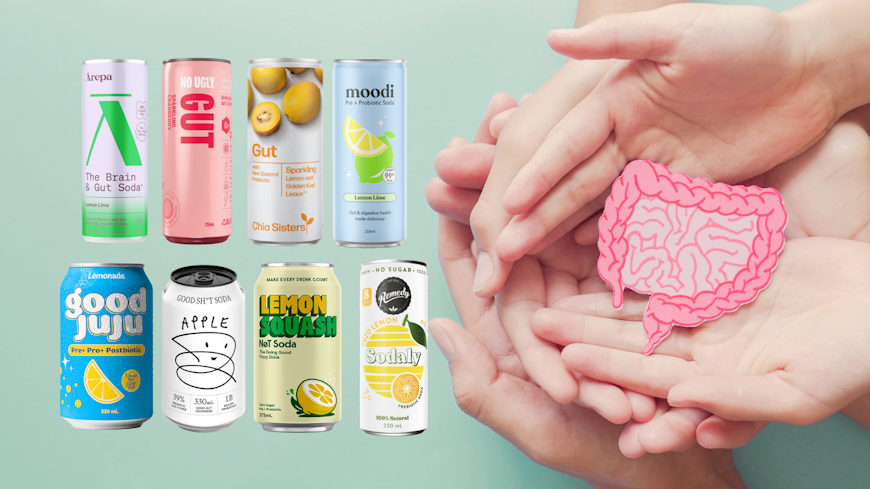
Moodi Pre + Probiotic Soda claims to give you “gut-loving goodness in one delicious drink”. Chia Sisters Gut claims it’s “designed to support digestive function”. Lo Bros Not Soda claims to be “the doing good fizzy drink”. Brands like Ārepa and No Ugly have also added gut sodas to their offerings.
The marketing hype is filling our social media feeds too. Moodi is upping the intrigue with its limited-edition mystery flavour, for example. (Correctly guess the flavour, to win a Moodi gift card.)
As Consumer’s food and nutrition expert, my “gut feeling” is to be sceptical about health claims on ultra-processed foods like carbonated drinks. Last year, we found claims that were more hype than health in our investigation into protein claims.
To find out what the all the fizz is about, I checked out eight soda products containing ingredients like prebiotics and probiotics. Most of them make gut or digestive health claims. These products vary widely, so it pays to check the labels carefully.
What’s in them?
Carbonated or sparkling water is the main ingredient in these sodas. Here’s what else they contain.
Probiotics, prebiotics and postbiotics
These drinks contain probiotics, prebiotics or postbiotics or a combination.
Probiotics are live bacteria that improve the health of your gut and help with digestion.
Principal scientist at the New Zealand Bioeconomy Science Institute Pramod Gopal said any health benefit of probiotics is strain-specific and that probiotics need to be consumed in sufficient numbers to make a difference.
“The shelf stability of probiotic strains in a product must be considered. For any benefit, the probiotic strain needs to be live when consumed.”
Of the six products we looked at that contained probiotics, five stated both the probiotic strain and number of bacteria. The exception was Lo Bros Not Soda, which only stated “living cultures” in the ingredients list.
Emmeline Taptiklis, registered nutritionist and member of the Food Policy Expert Group within Health Coalition Aotearoa, told us fermented foods like yoghurt and kimchi provide a better source of probiotics. In these products, the bacteria are live and contained in a food matrix, so they’re more likely to reach the gut undigested.
Prebiotics provide food for the probiotics and encourage good bacteria to grow in your gut.
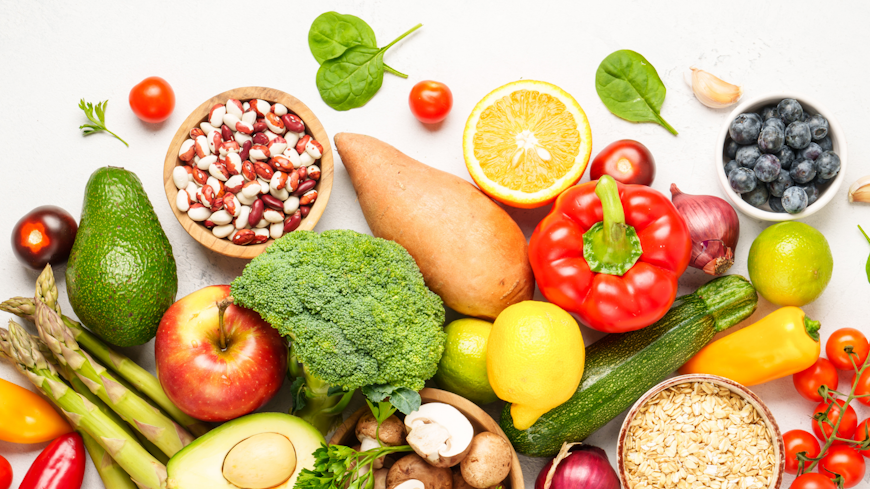
Taptiklis said prebiotics are naturally found in foods including bananas, leeks, onions and wholegrains like barley and oats. She would always recommend people get prebiotics from whole foods rather than a carbonated drink.
“As well as the prebiotics, you’ll also be getting other healthy nutrients from these foods, including fibre, protein and vitamins and minerals. People with gut issues may have sensitivities to certain prebiotics, and the fizzy nature of these drinks may also unsettle the gut.”
Postbiotics are a relatively new ingredient compared with prebiotics and probiotics.
Gopal told us they are essentially inactivated (killed) bacteria or their components that may provide health benefits. This means they don’t degrade as easily and may give products a longer shelf life.
Sweeteners
None of the drinks we looked at were high in added sugar. Only one product – Good Juju – mentioned sugar in the ingredients list. Several others contained added sugars from fruit juice concentrates.
Six drinks contained one or more natural intense sweeteners (monk fruit, stevia or thaumatin). These are much sweeter than sugar but have few to no kilojoules.
Six products also contained the sugar alcohol erythritol, a common sweetener, which is also very low in kilojoules. Consuming too much erythritol can have a laxative effect.
Food acids
Plain carbonated or sparkling water is already slightly more acidic than still water. However, all the products we surveyed also contained food acids, such as lemon juice, lime juice or citric acid.
New Zealand Dental Association sugary drinks spokesperson Dr Rob Beaglehole warned that the acidity of these drinks is a hidden danger: it can lead to dental erosion.
“Dental erosion occurs as the acidic drink washes over the tooth surface, which dissolves the tooth enamel in the process. Once the enamel is lost, it’s lost forever. They are also a concern because they may replace healthier options, such as water and low-fat milk.”
Added vitamins and minerals
Ārepa’s and No Ugly’s offerings include vitamins and minerals as added extras. Ārepa’s Brain & Gut Soda contains vitamin B5, vitamin B12 and L-theanine. No Ugly Gut contains added calcium, vitamin C and antioxidants.
Taptiklis said there’s no major benefit to be gained from vitamins and minerals from carbonated drinks; you’ll just excrete any excess water-soluble vitamins in your urine.
Dr Beaglehole said that, when it comes to dental health, ingredients such as vitamins and minerals don’t offset the harm sugary and acidic drinks can cause.
How much do they cost?
The drinks we checked out ranged in price from $1.87 to $5 per 250mL.
Taptiklis said you’re better off spending your money on whole foods.
“$5 can go a long way towards a jar of kimchi or a large pottle of yoghurt that contains several servings. For good gut health, it’s also important to eat lots of fresh fruit and vegetables, nuts and seeds. You’ll get more bang for your buck buying these foods as they are also good sources of fibre, vitamins and minerals.”
Products compared
For more information, read our investigation about how gut health affects your whole body and the best way to stay regular.